A longtime professor in North Carolina State University’s Horticulture Department shares a personal garden that’s informed by his work
by Brie Arthur | photography by Liz Condo
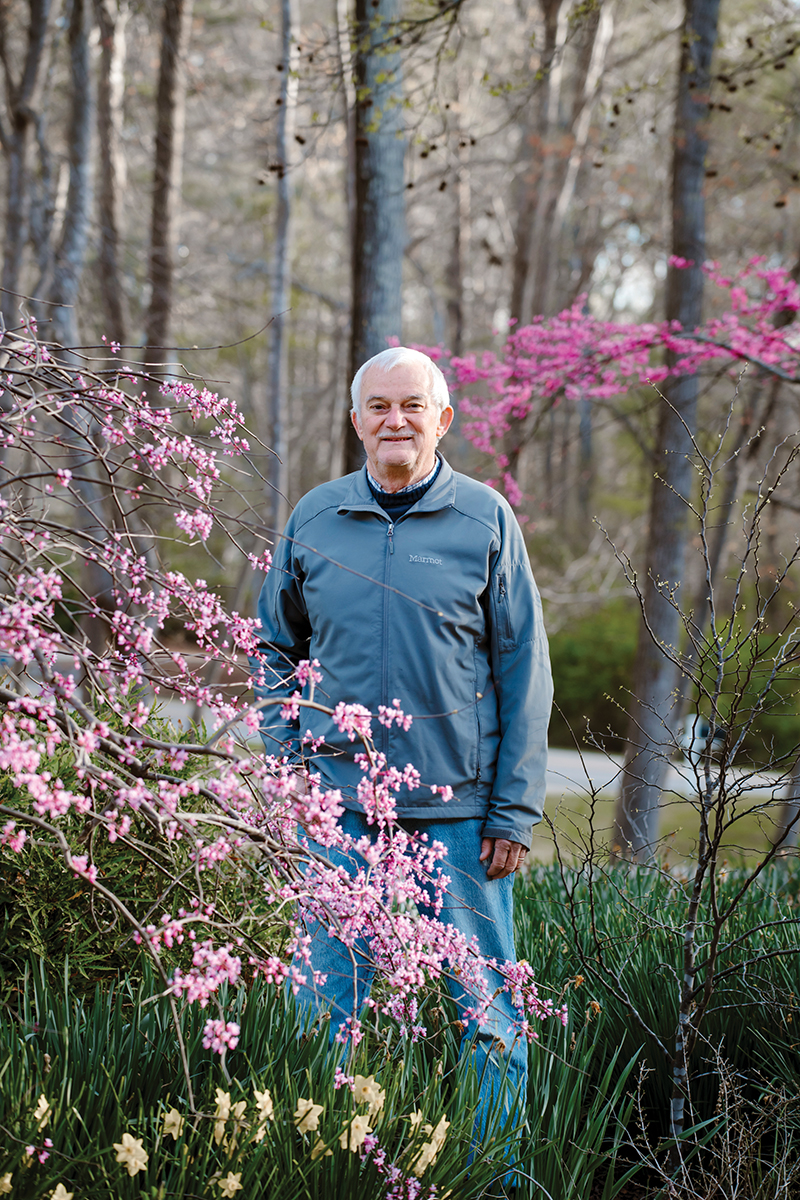
In the quiet Swift Creek area near Raleigh, tucked behind a modest home, is a garden shaped by patience, science and decades of close observation. It belongs to Dr. Dennis Werner, a longtime professor and plant breeder at North Carolina State University. While his career has influenced agriculture and landscapes across the Southeast and beyond, his home garden offers a more intimate view of how a lifetime in horticulture translates into a deeply personal place.
A lifelong gardener, Werner grew up in rural Pennsylvania surrounded by family members who encouraged his curiosity about growing plants. Gardening was woven into daily life. Neighbors shared seedlings of their specialty crops, and young Werner eagerly experimented with whatever he could get his hands on. He developed an early affinity for gourds. “I was drawn to their rapid growth and the way their fruits twisted and swelled into unusual shapes,” he says. During his teenage years, he could often be found walking through the forest, tree identification book in hand, driven by a strong desire to better understand the species that surrounded him. “Those early experiences sparked a fascination with plant variation and potential,” Werner says.
Werner entered Penn State on the Forestry Technology track, and it was not until he transferred to the main campus his junior year that his academic path shifted. There, he discovered botany and horticulture, disciplines that combined science, creativity and applied problem-solving. With encouragement from his longtime mentor, Dr. Richard Craig, Werner found his direction and passion for plant genetics. He went on to earn both a master’s degree and a PhD from Michigan State University, focusing on edible and ornamental plant breeding. “It was here that my interest in improving and creating novel plants for real world landscapes truly took hold,” Werner says.
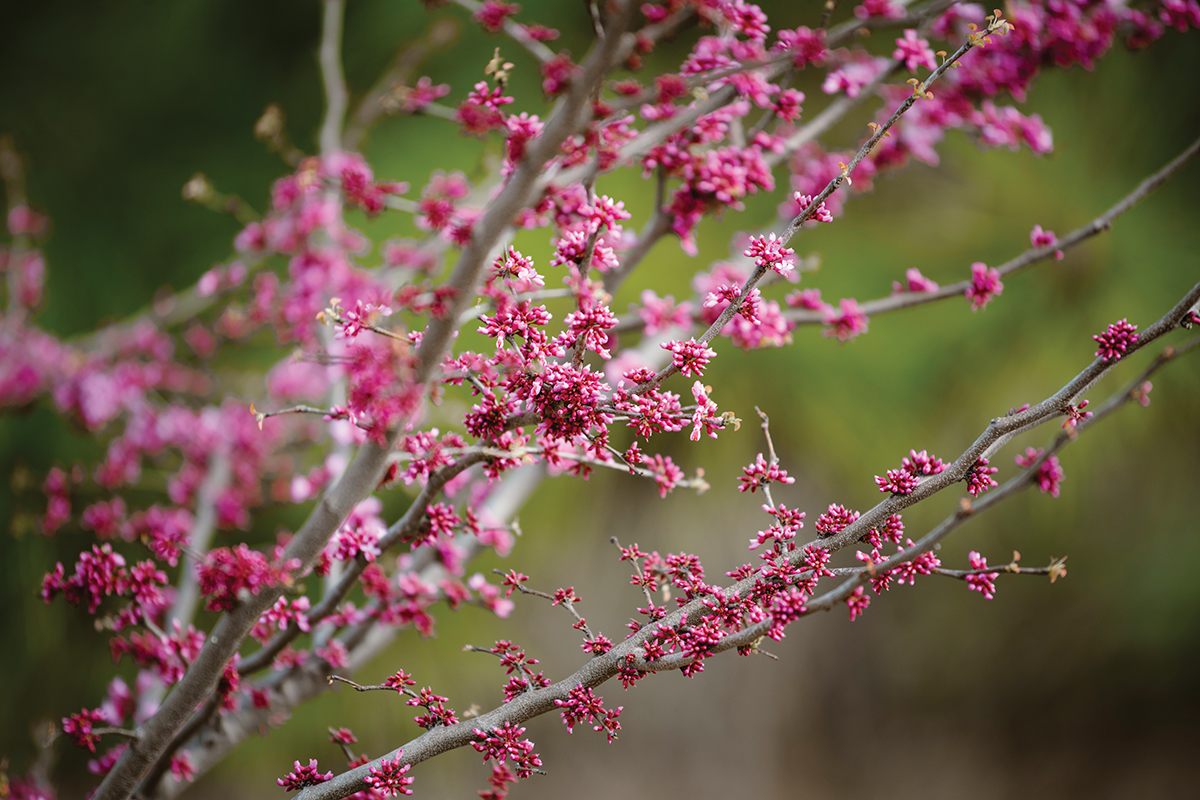
In 1979, Werner joined NC State’s Department of Horticultural Science, beginning a career that would span decades and influence generations of students, growers and researchers. His work initially focused on peach breeding and genetics, leading to the introduction of varieties such as Contender, Challenger, China Pearl and Carolina Gold. Later, his efforts centered on woody plant improvement, with an emphasis on better form, improved flowering and adaptability to climate. Over time, his research programs led to the introduction of numerous plants now familiar to gardeners and growers alike. These include trademarked dwarf butterfly bushes such as Blue Chip and Miss Molly and what has become a landmark achievement, the first controlled breeding program of native redbuds (Cercis canadensis).
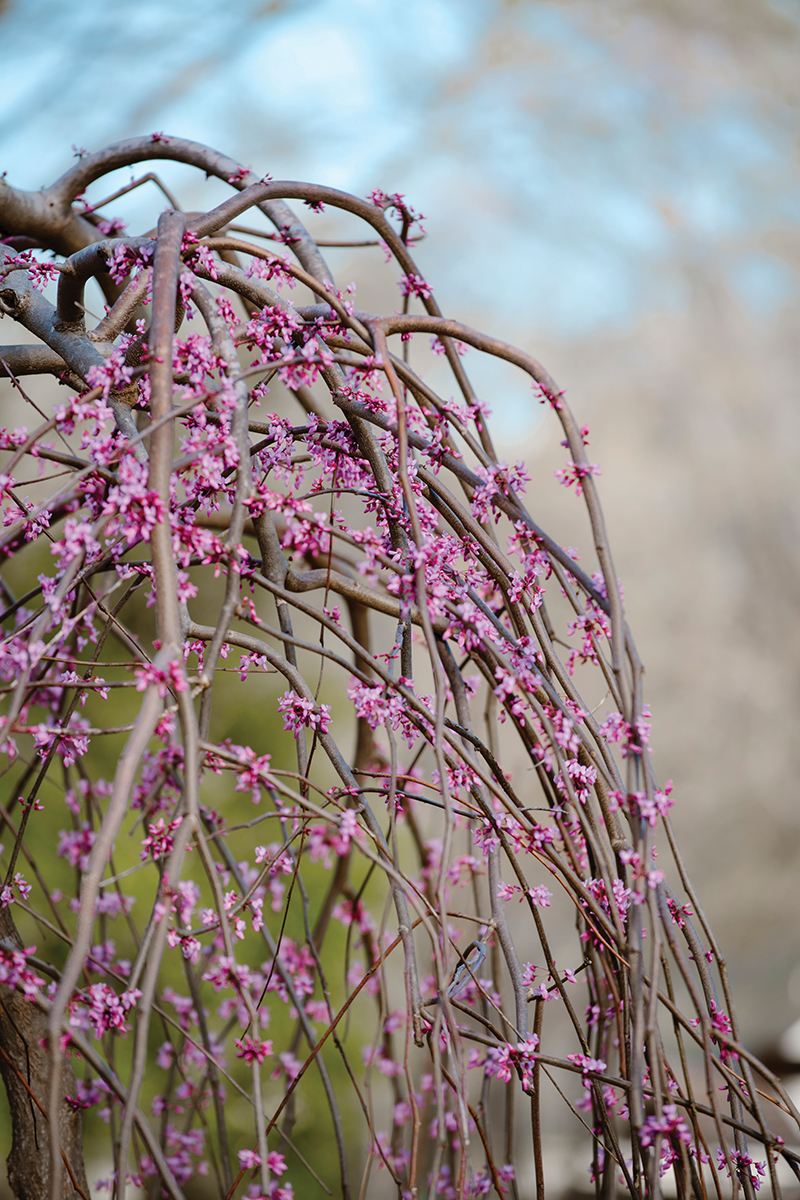
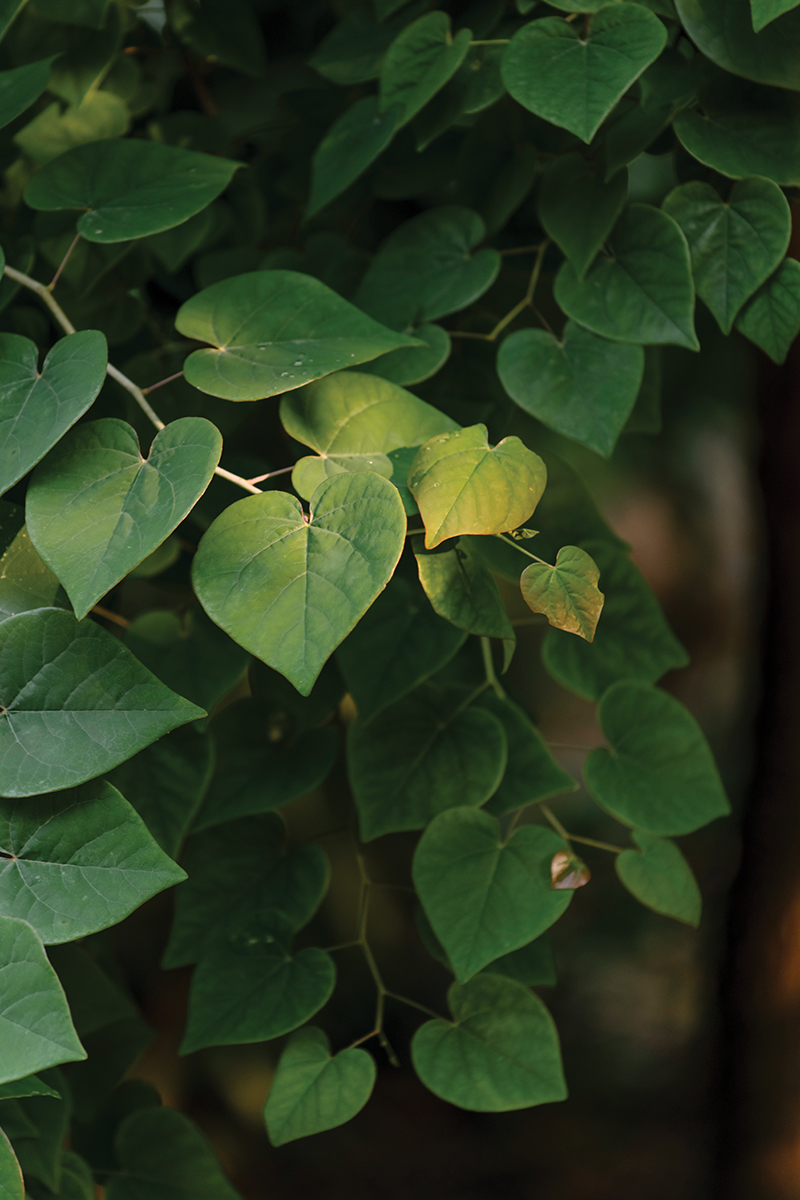
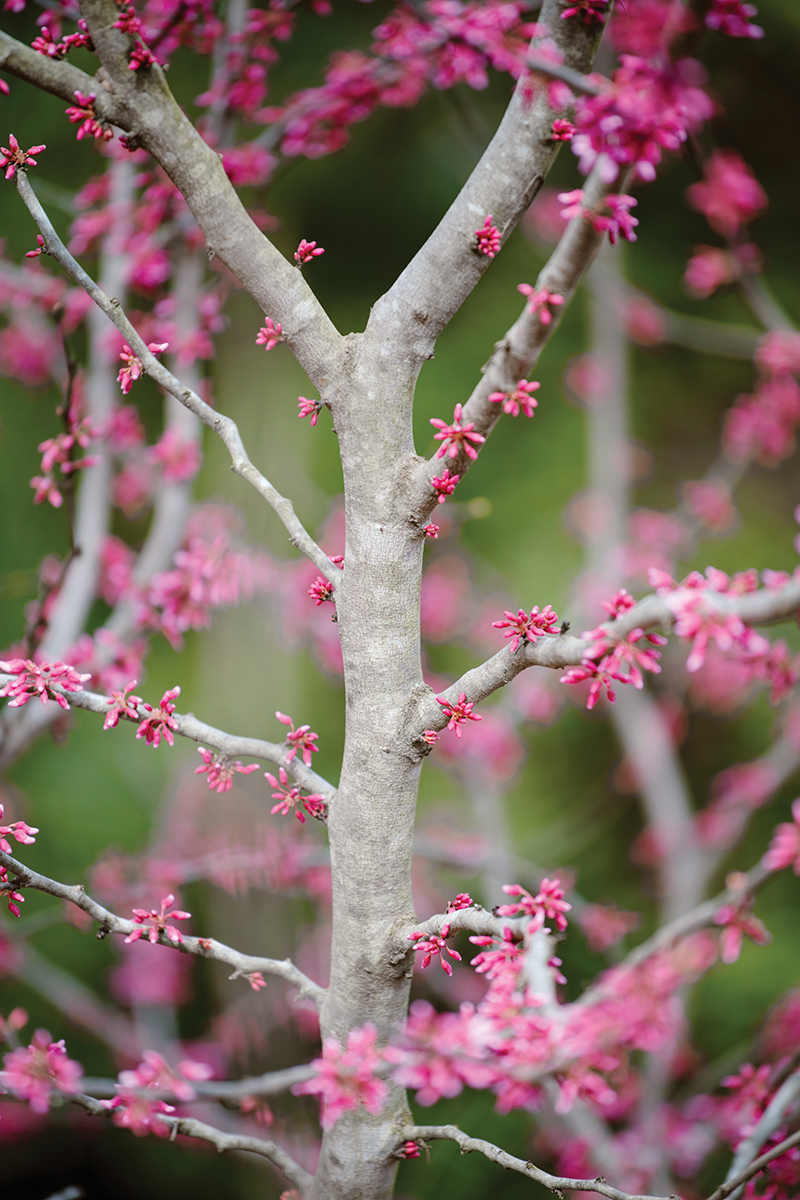
Stepping into Werner’s home garden feels a bit like entering a living laboratory, though one softened by age, intention and restraint. Colorful perennial borders mingle with vegetables, pollinator plantings, a specimen tree and shrub collection, and productive blueberries, reflecting both diversity and practicality. But the redbuds steal the spotlight, particularly in spring when they flower and leaf out in a spectrum of colors, textures and forms.
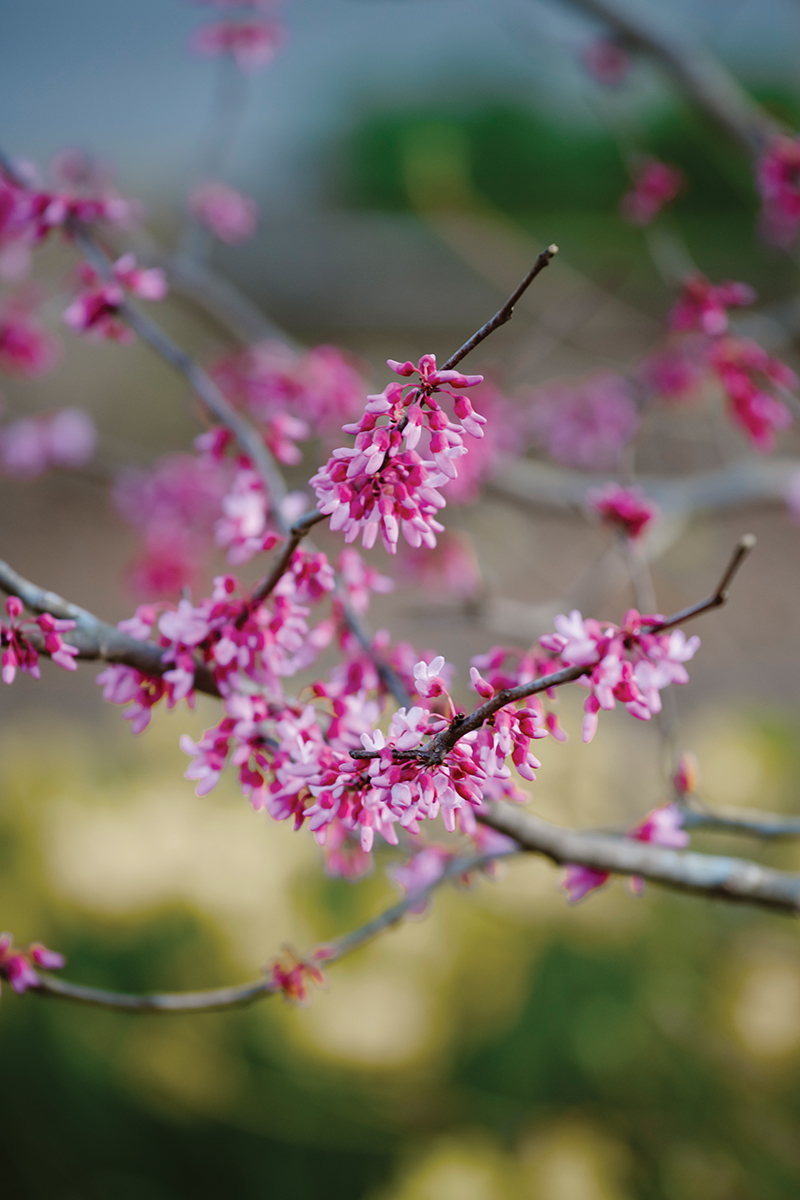
Plant breeding is not for the faint of heart. Decades can pass before results are visible or meaningful. For Werner, his motivation has always been rooted in the process as much as the outcome. “Every step is exciting! You make a cross and it takes! Then you collect the seed and it germinates! There is a pipeline of progress, but the anticipation of what the result will be is the most exciting,” he says. That sense of curiosity has sustained him through the slow timelines and inevitable setbacks that come with breeding trees.
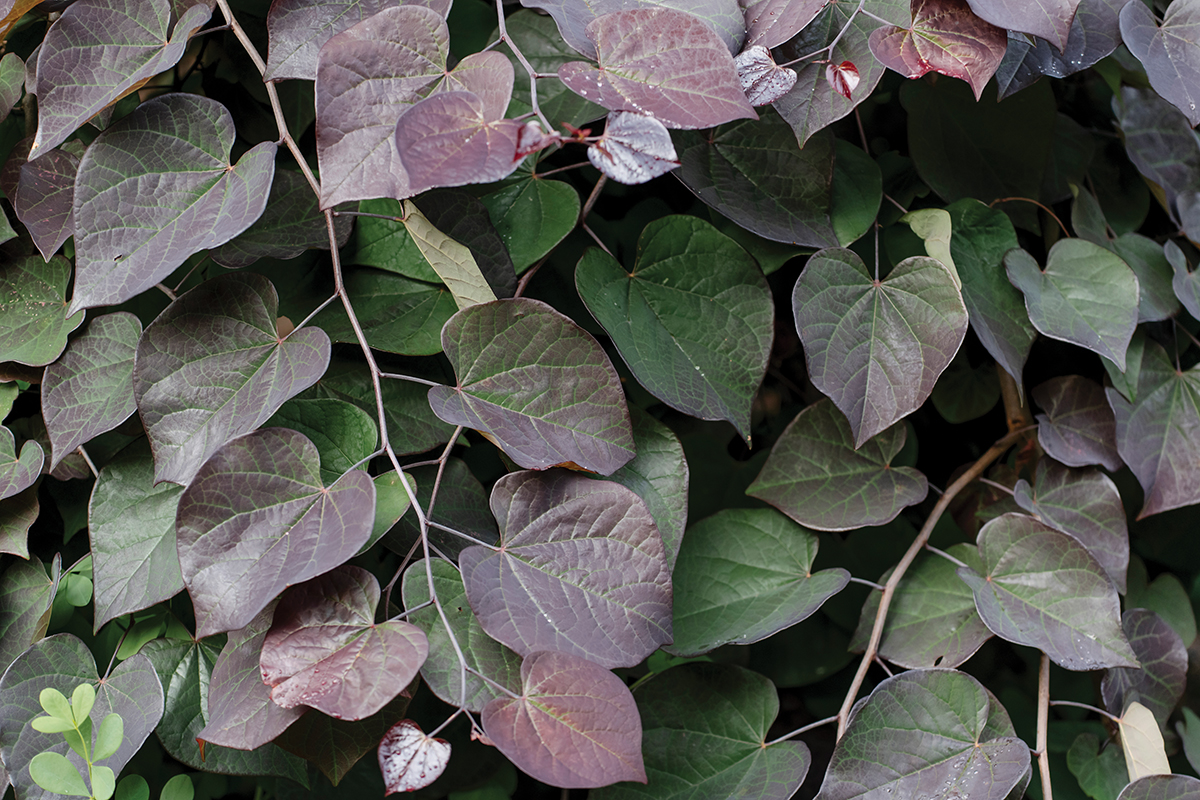
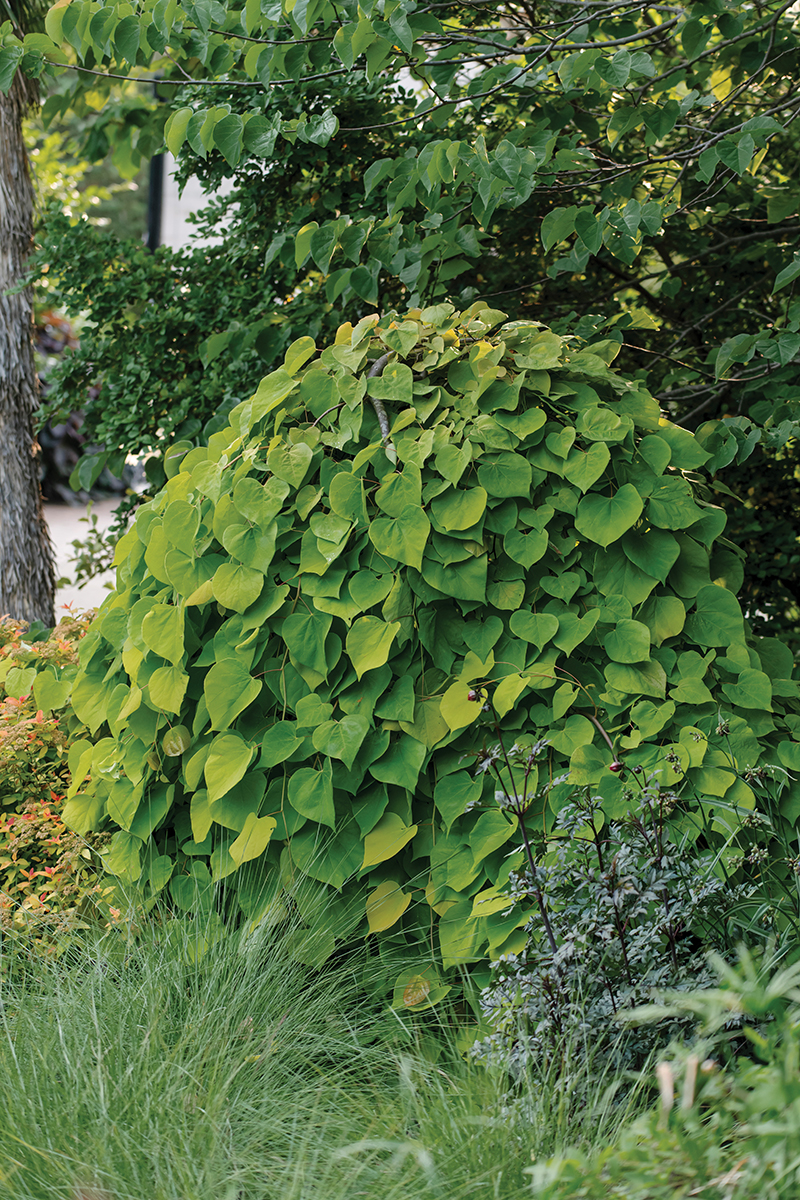
His long arc of work in redbud breeding has produced exceptional results. “Flame Thrower was the breakthrough,” Werner explains, describing his trademarked multicolored leaf redbud. “When a soybean breeder inquired about the colorful tree at the research station, I knew we had a winner!” Confirming the broader appeal, this introduction was awarded Plant of the Year by the Royal Horticultural Society at the 2021 Chelsea Flower Show in London, an incredible achievement. Other famous varieties bred by Werner include Ruby Falls, a purple leaf weeping form, and his trademarked dwarf redbuds, marketed as Garden Gems, which include five distinct varieties, each selected for compact structure and unique foliage coloration. “Over the decades, I have had to transition with the industry,” he says. “Selecting varieties with compact habits meets the needs of today’s smaller landscapes worldwide.”
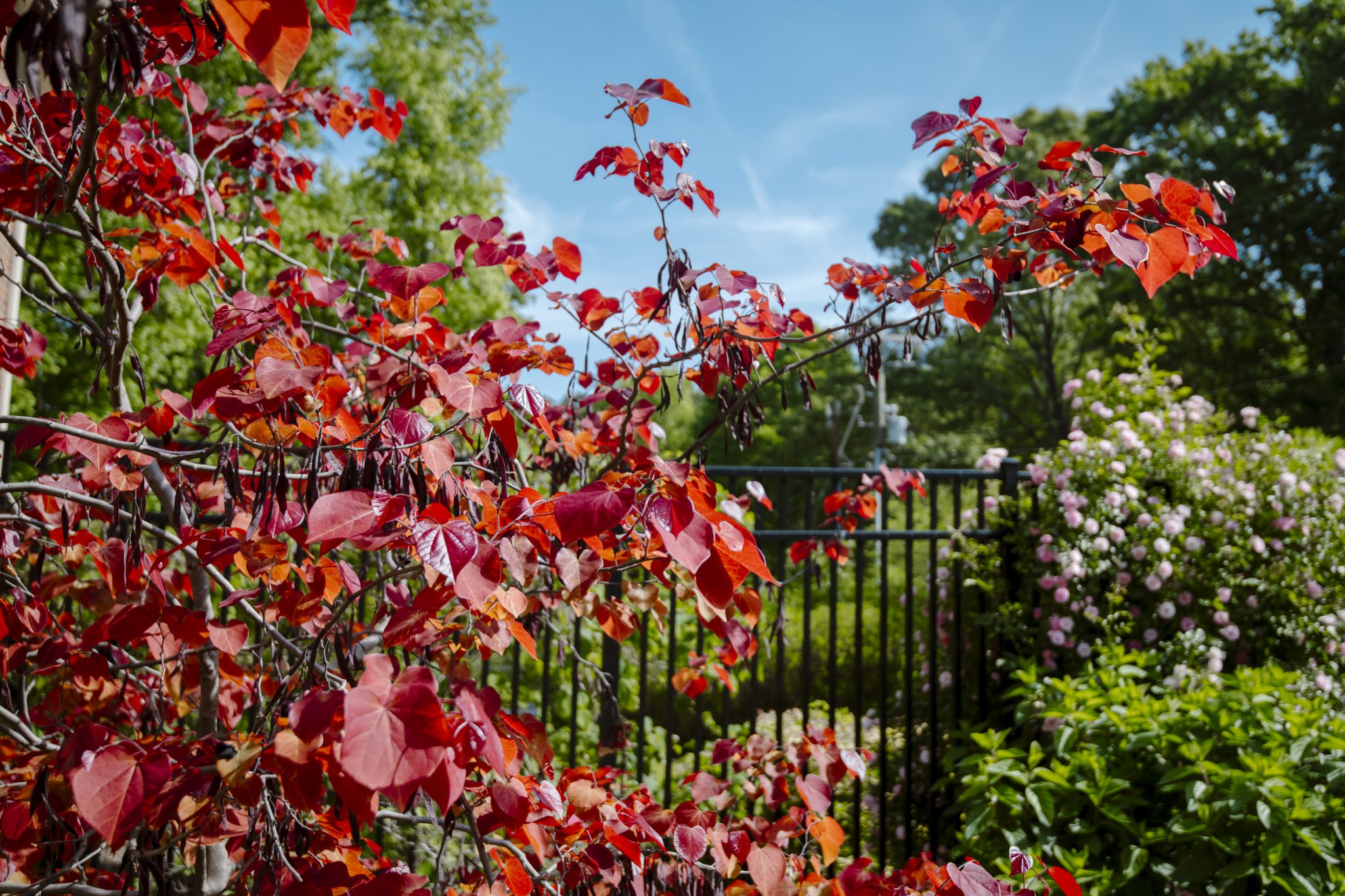
When asked how many redbuds he currently grows, Werner laughs: “According to my wife, not enough! She loves them all.” Space, however, demands discipline. Rather than accumulating plants, he focuses on maintaining the best selections. Seven standout varieties are carefully tended, closely observed and used in future crosses. Among them, Golden Falls, a chartreuse-colored weeping variant, remains a favorite. “It shows no leaf scorch, even in full sun conditions, and retains its golden color even through the summer,” says Werner. For a breeder, those observations are just as important as formal data.
Beyond individual plants, the garden reflects Werner’s belief that “gardening is a lifelong practice.”
During his tenure as director of the JC Raulston Arboretum, he put that philosophy into action, shaping the landscape as a living classroom rooted in patience and curiosity. Although he officially retired from NC State in 2019, his engagement has not slowed. Werner continues his redbud breeding work and remains deeply invested in his home garden, which still offers lessons, much like the classrooms he once led.
Whether working within a university breeding program or tending a backyard garden, Werner’s work demonstrates a deep respect for plants and for the people who grow them. Beyond his professional achievements, Werner is a devoted husband, father, grandfather and animal lover, and a generous presence in the Raleigh community. As Mark Weathington, the current director of the JC Raulston Arboretum, notes: “Working with Denny is a constant lesson. He thinks deeply about the subject at hand and his influence has made me a better leader, gardener and person.”

This article originally appeared in the March 2026 issue of WALTER magazine.