Authors Elaine Orr and Nell Joslin spent 10 years walking and writing together as they worked on two very different books, which were both published this year
by Helen Yoest | photography by Joshua Steadman

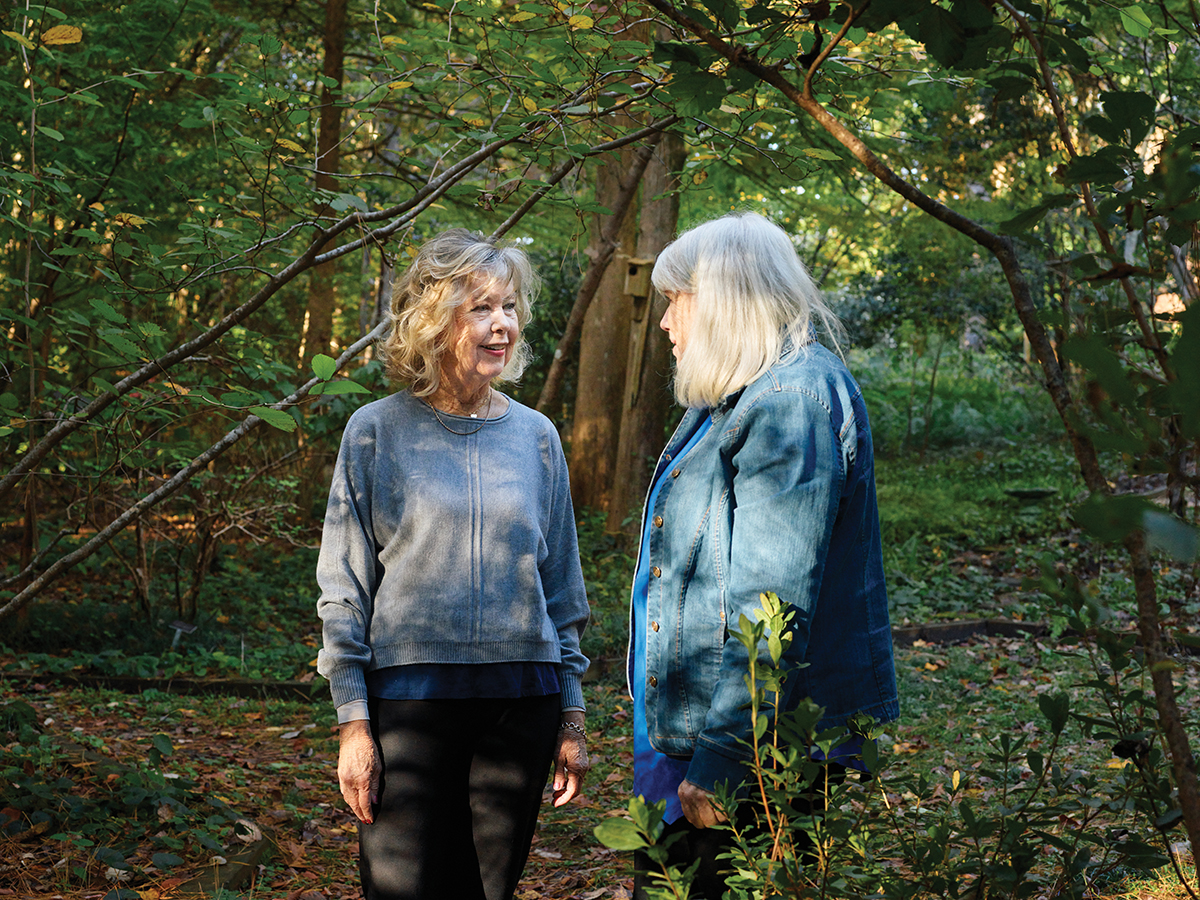
Ten years ago, two Raleigh women were walking together on the Crabtree Creek branch of the greenway, a spot midway between their homes. They had met in a writing workshop and these walks were an opportunity not only to exercise, but to talk: about family, aging parents, challenges at work, anything. Separately, they were each working on novels, an undertaking that can take years for any writer. And they were also each trying to forge ahead on this Herculean task alone; soon they discovered that they were both at a crossroads.
Elaine Orr, a professor of English at North Carolina State University, and Nell Joslin, a practicing attorney, had gotten to know each other’s work and writing styles in that previous group. They shared a mutual love of the natural world and literature and enjoyed discussing new books they had recently read.
On this particular day, when they got to the cascade at the old Lassiter Mill dam, they sat down for a few minutes. For some reason — perhaps it was the anticipation of parting — Orr’s thoughts turned to writing. “I remember saying something about how lonely it can be to work on a novel, even if you’re dedicated,” she recalls.
Joslin agreed. “I think we were both at a point where we weren’t sure which direction our novels were taking us,” she says. “At that point in my writing life,
I felt well and truly alone.”
The two friends hatched the idea of meeting frequently to share what they had written, provide feedback and brainstorm. “Sometimes you just need someone to help you figure out how to move a character across a room,” Orr says. “Or kill someone off,” Joslin adds, laughing. “Sometimes a character needs to die to move the plot along.”
And so weekly meetings began, generally outdoors in parks, including the Joslin Garden (formerly the home of Joslin’s parents, now a Raleigh city park). Orr had already published two novels, the first at age 59; Joslin, at the time in her early 60s, was working on her first novel, having earlier completed her MFA in creative writing at NC State. These women were engaged in what could potentially be the most significant work of their lives at an age when many Americans are retiring.
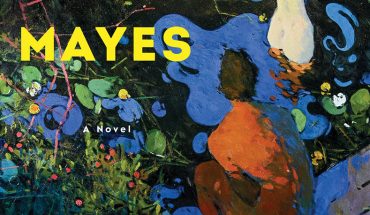
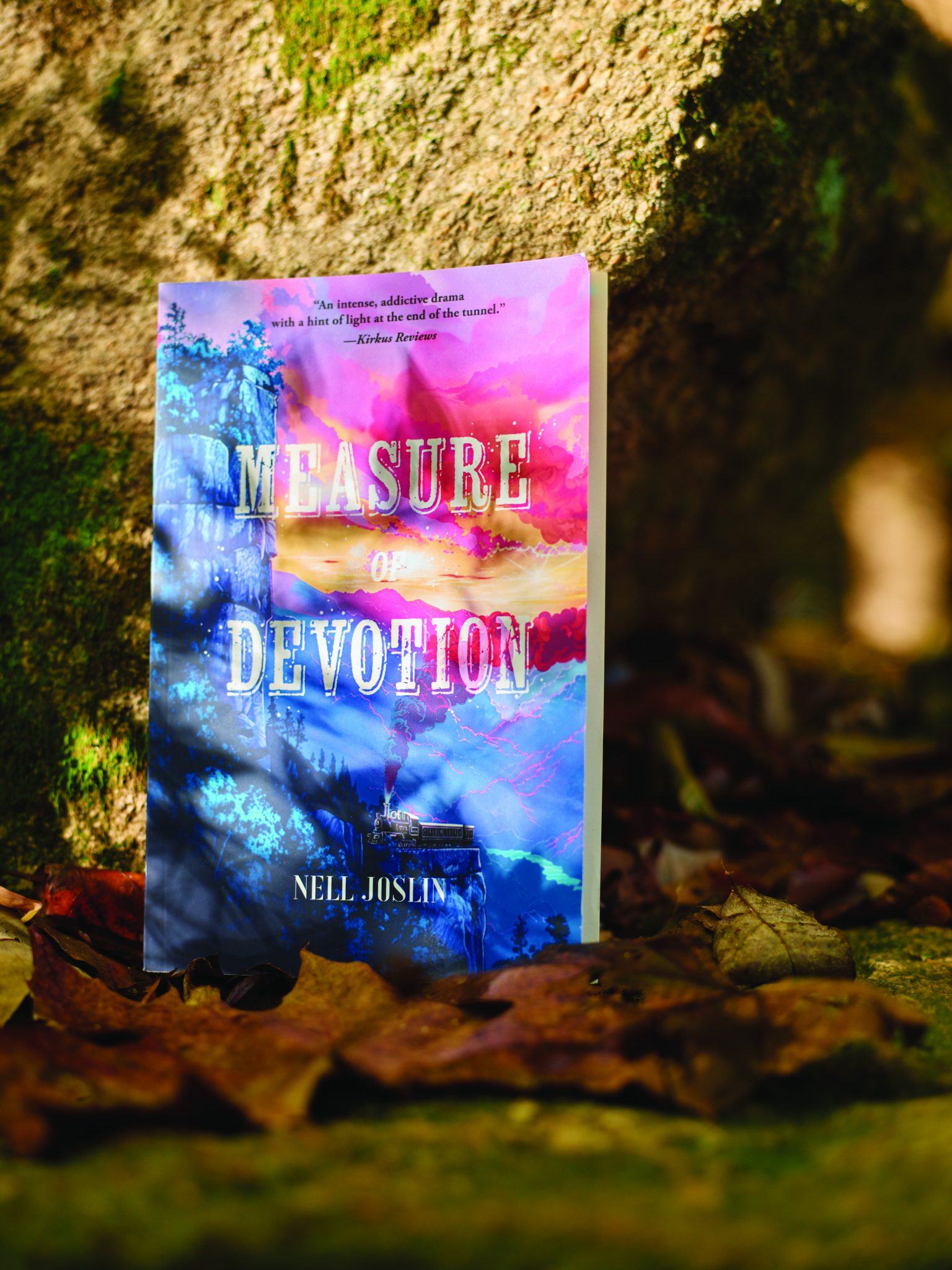
A few years earlier, Joslin had begun her Civil War novel, Measure of Devotion, about a mother, Susannah Shelburne, who undertakes a hard, dangerous journey when her son is wounded in battle hundreds of miles away. Susannah ends up behind enemy lines, faced with wrenching choices to free her son. The story is full of surprises, as her allies and foes reveal themselves in shocking ways.
Against the chaos of war, Joslin envisioned additional conflict between the anti-slavery mother and her Confederate son that needed to be brought onto the page with emotional insight and skill. And Joslin also faced the challenges of gathering rich historical details, a process that would require extensive reading, research and travel.
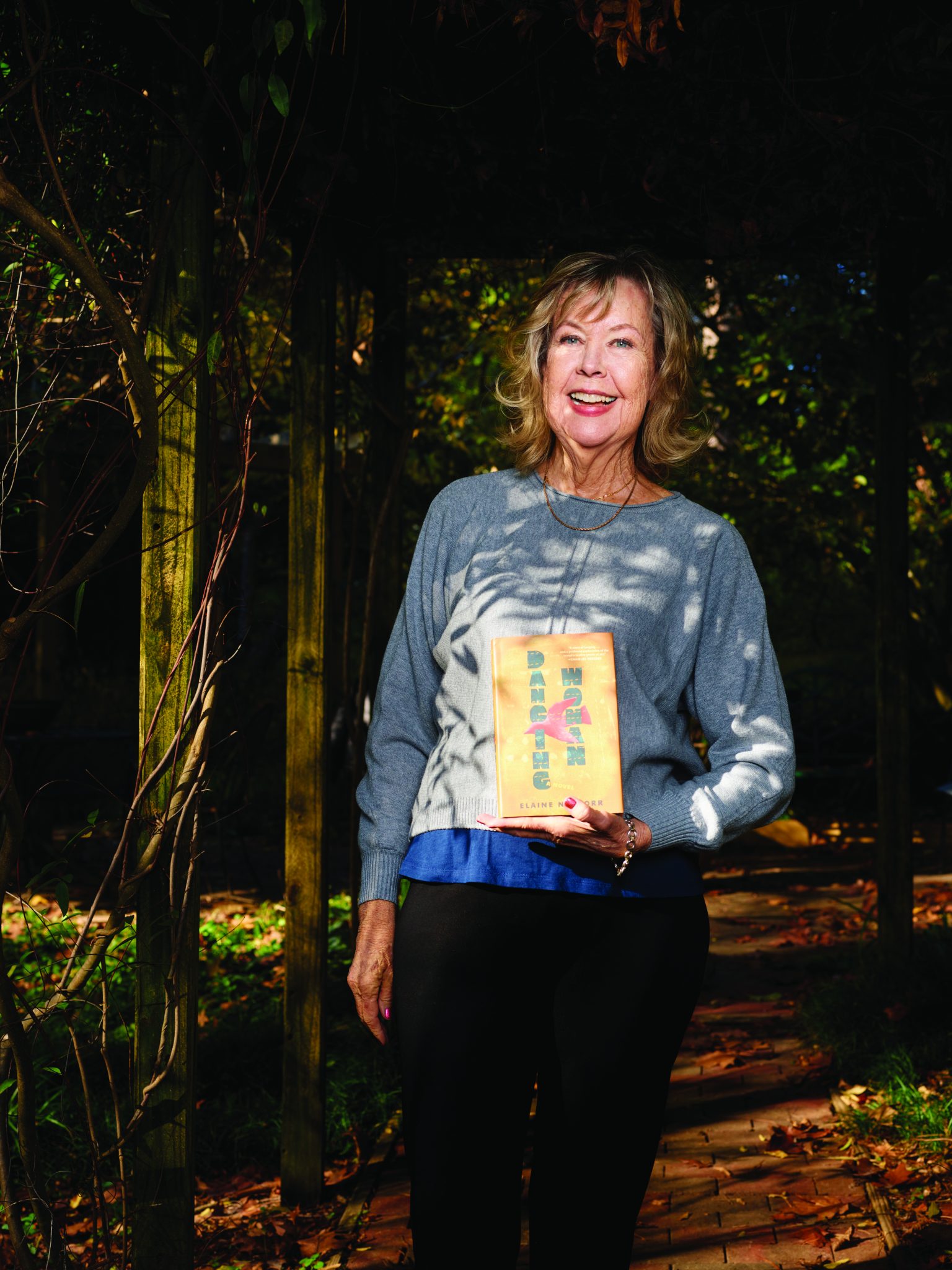
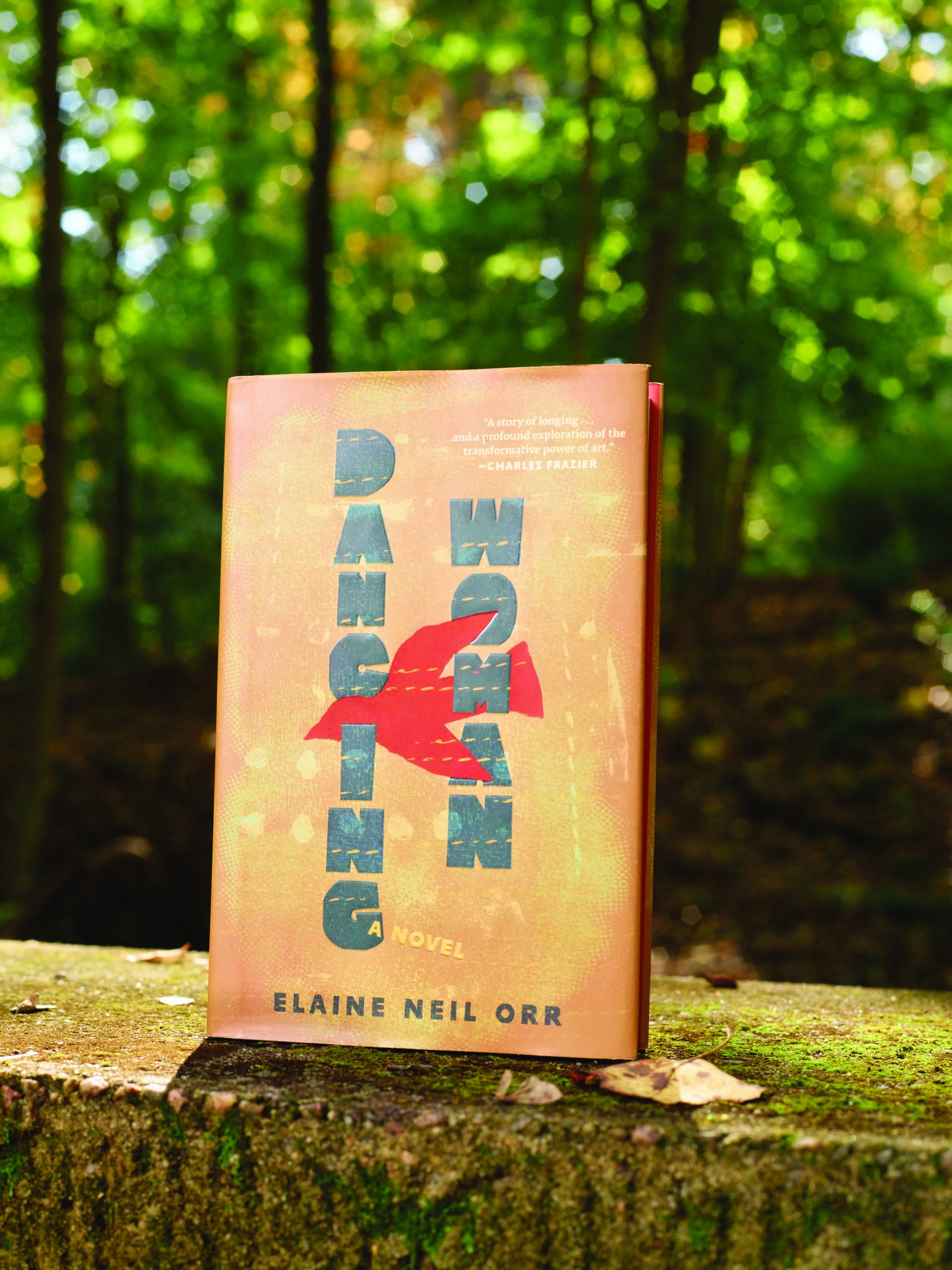
Orr was beginning Dancing Woman, a novel set in the early 1960s. At first, all she knew was that the main character, Isabel Hammond, profoundly disappointed in her efforts as an artist, had married in haste and with quick regret, following her husband to Nigeria. Soon, she discerned that Isabel has the capacity to see beneath the surface of things.
But her character is also young and passionate and makes a precipitous choice on a night away from her husband, one with lifelong consequences. When Isabel unearths an ancient sculpture of a woman in her garden, her conflict crystallizes: can she answer her calling to be an artist and also devote herself to family? Isabel embarks on a journey of self-discovery, even as she bears twins, her husband suffers a terrible accident and Nigeria moves toward civil war.
As the two novels developed and deepened, Orr and Joslin’s friendship grew. The weekly meetings began to open up a space where each could talk about what they were struggling with, what they were afraid of and what they were proud of. The process of reading aloud and listening intently, often in the open air, became part of the creative process.
“I’d have ideas, listening to Nell talk about my work, that offered an epiphany,” Orr says. “What made the partnership work is that we didn’t have to hide. Sharing work in progress can be incredibly frightening. But I felt I could show Nell anything and she would respond with deep engagement.”
“One of the great powers of friendship is being seen for exactly who you are and being accepted and loved anyway,” says Joslin. “This kind of power releases the writer from any inhibition. She can try anything.”
In colder weather, Joslin and Orr met in various Raleigh establishments. They discovered New World Café on Duraleigh Road, a quiet spot a bit distant from their neighborhoods where they thought they might find privacy. “I loved their almond cookies,” Orr says. “That was an added benefit of doing the work. We were dedicated but even dedication requires some rewards along the way.”
On days when a cookie wasn’t going to be enough nourishment, they’d go to the Village Deli in the Village District. “This was especially convenient for Orr because of the proximity to NC State,” Joslin says.
Over time, Orr says, “our novels were becoming friends.” Both were writing about women facing unique and important challenges, and going to these Raleigh haunts became a little adventure. “As with the walks, we were traveling, moving through our environments, looking for emotional sustenance, encouragement and insight,” says Orr.
“Like us, our characters needed a friend to confess to, guideposts to the next safe harbor, courage to move forward into the unknown.” Joslin agrees: “We were becoming four friends instead of just two writers.”
Years passed, including the difficult Covid era, when the habit of meeting outside proved invaluable and they were able to make it work even in cold weather. Other times, Joslin and Orr traveled to writing retreats away from Raleigh, which offered time and space to focus almost exclusively on their work. One of the first such interludes was at the Well Spring House in Ashfield, Massachusetts, in the rural western part of the state.
“Something magical happened in that place,” Joslin says. “It was a beautiful, quiet little town. We had every advantage of solitude, without losing any of the advantages of companionship. Elaine and I worked during the day and then shared the evening meal together and spoke about how our day had gone. It was both freedom and structure.”
Later, the friends were accepted at the Virginia Center for the Creative Arts (the VCCA) in Amherst, Virginia. There they had bedrooms in a residence hall, studios in a restored barn and all of their meals supplied. They worked alone for most of the days but resumed their walks on the VCCA grounds or at nearby Sweet Briar College, weaving the relief of sharing into the isolated intensity of the 10-hour writing blocks.
Another year, as they were finishing their novels, Joslin and Orr rented an Airbnb in Franklinton, North Carolina, for two weeks. They established separate working spaces, walked together daily when they took a break and sought out the town’s restaurants for dinner.
“All of this time writing and walking in proximity led to such a trusted and essential friendship that even when we took retreats alone or traveled to separate destinations, I thought of Elaine and her support of my book if I was struggling through a difficult day of writing,” Joslin says.
The friends finished their novels at about the same time, and both were recently published. “Elaine’s novel came out in January of this year, and mine came out in May. We shared thoughts and suggestions about our book tours, which ended up overlapping so that we have sometimes missed our weekly meetings. Now, we’re beginning to think about our next novels,” Joslin says.
“I’m already plying Nell for ideas,” Orr says. “She is such an amazing historian. I don’t know how I would start on this next big project without her.”

This article originally appeared in the December 2025 issue of WALTER magazine.