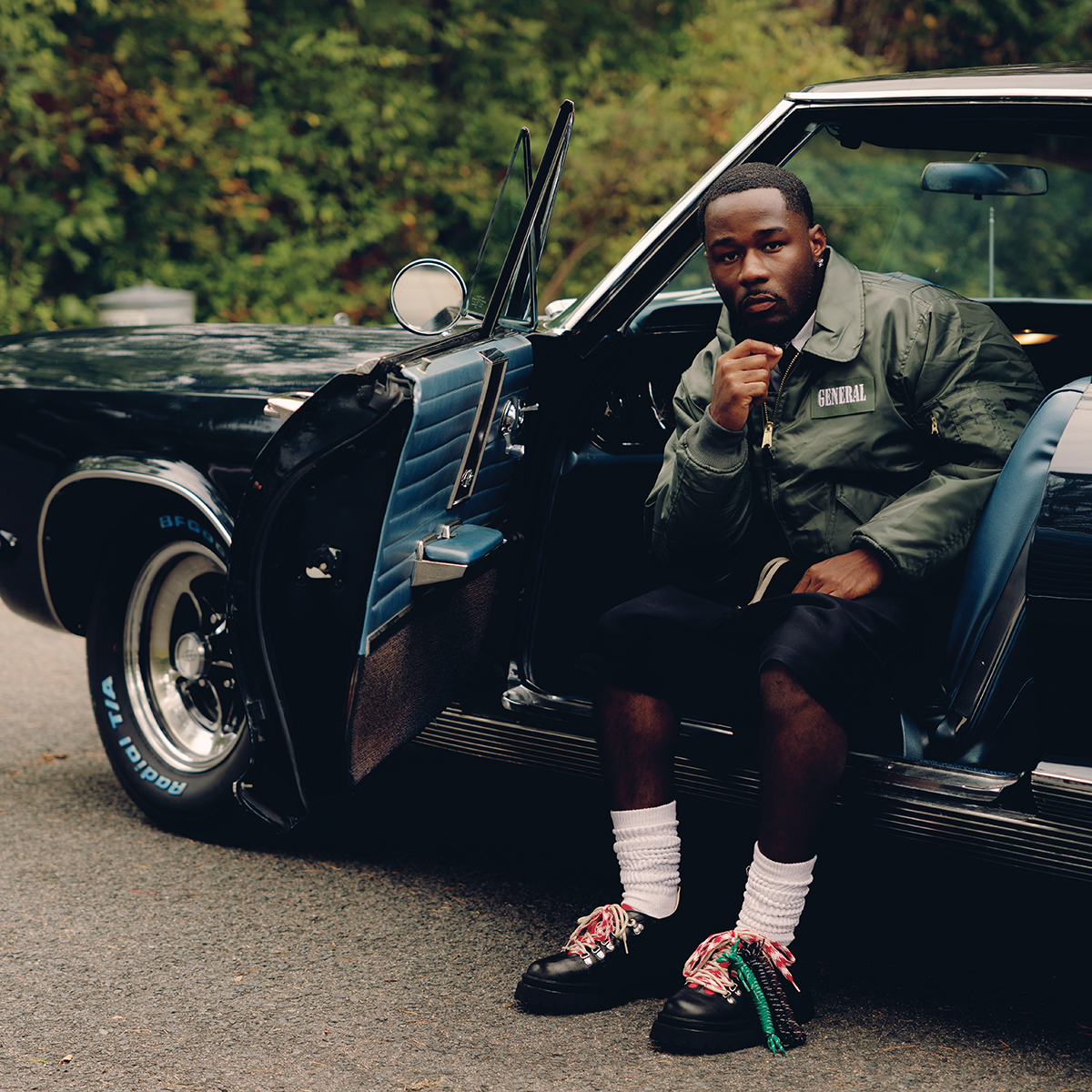
The Charlotte hip-hop artist talks the release of his latest album, Welcome Home, and the search for authenticity in the music industry
by David Menconi | photographs by Squid Lik
A dozen years ago, local super-producer Patrick Douthit (9th Wonder) was doing an online “Ask 9th” episode on Twitter, fielding questions from anyone who asked. He frequently hears from people pitching artists for him to produce, but on this day, one stood out.
It led Douthit to a mixtape recently released by a Charlotte rapper calling himself Esau the Don. He was just 13, but already had an old-school sound and feel. Douthit, who earned his reputation producing vintage hip-sounds for Little Brother in the early 2000s, was impressed enough to invite him to Raleigh to record.
The teen’s name was Reuben Vincent, and his mother drove him over from Charlotte. While they were there, she took Douthit aside to ask point-blank, “Is he that good?”
“Meeting Reuben was like meeting one of my friend’s sons,” says Douthit. “You could see his trajectory. Someone rapping like he was at age 13, before his voice had even dropped, was going to be fantastic at 19. So I told her, yeah, he’s that good.”
Vincent has since aged into his voice and his sound, hitting a sweet spot between hip-hop and R&B balladeers like Luther Vandross and D’Angelo. Last fall, he released his fifth album, Welcome Home, just a few months before turning 25. For him, it represents a personal and musical high point.
Welcome Home is indeed about returning home, following a not completely positive few years Vincent spent in Los Angeles. Dealing with the music business there was a disillusioning experience that didn’t get him as far as he hoped. He was making good records, but not enough progress.
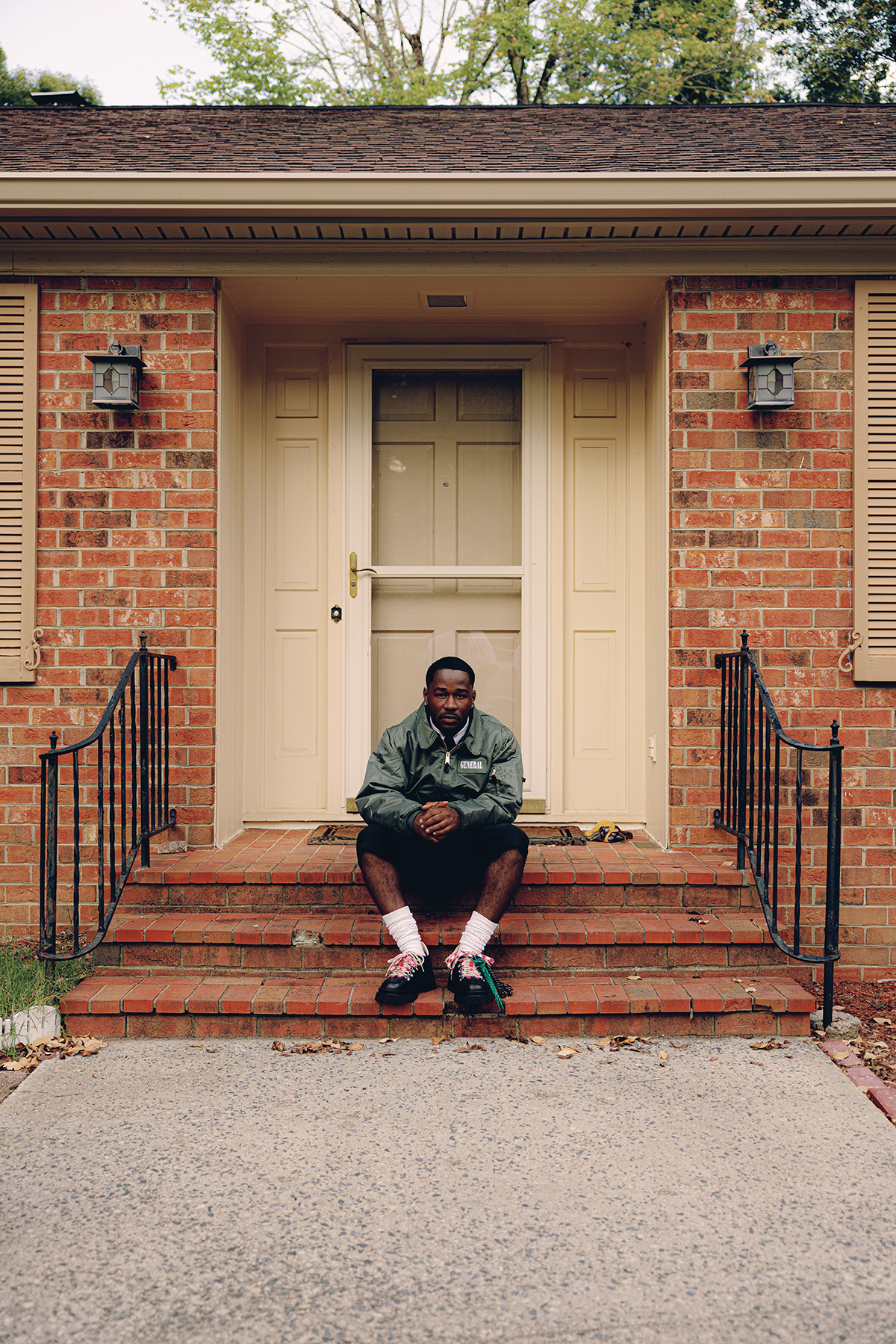
So he came back to North Carolina and started writing songs about a prodigal son’s return, which Douthit set to arrangements evoking both 1970s-vintage soul and hip-hop’s mid-1990s golden age. The process was immersive enough that Douthit’s Raleigh recording studio became Vincent’s temporary residence.
“Everything on this record was in the studio together, I even slept there,” Vincent says. “He’d make the beat, I’d take it into the other room to record something, pull him in to hear it, he’d do some more production stuff to it. I think this album is a testament to authenticity, being yourself, always showing up as you. You have to really dive in on it from track one all the way down.”
Born in Charlotte, Vincent grew up with immigrant parents who fled West Africa to escape the 1990s Liberian Civil War. From his mother came discipline and time in church, and from his father came exposure to music — 2Pac, Notorious B.I.G. and other old-school rap icons. The young man loved it so much, he focused exclusively on music while growing up, never playing sports or pursuing other extracurriculars.
“Hearing everything my father played, that’s some of my earliest, best memories as a kid,” Vincent says. “I was totally inspired by it, started keeping tabs on it and studying all forms, curation and research.”
Douthit proved to be an ideal musical mentor for Vincent. Along with producing hits for the likes of Kendrick Lamar and Destiny’s Child, he has taught classes in the history of hip-hop for 20 years at universities including Duke, Harvard and his own alma mater, NC Central.
“Nowadays 18- and 19-year-olds update like an iPhone,” Douthit says with a laugh. “They’re not the same as they were in 2010 or 2015. Technology and social media is changing these kids faster than anything else. Being a teacher has helped me relate.”
Wanting Vincent to have a normal middle-school childhood, Douthit waited until he was 16 before signing him to his label Jamla Records (which is also home to the Grammy-winning rapper Rapsody). He has regularly contributed to Vincent’s albums, but Welcome Home is the first that Douthit produced in its entirety.
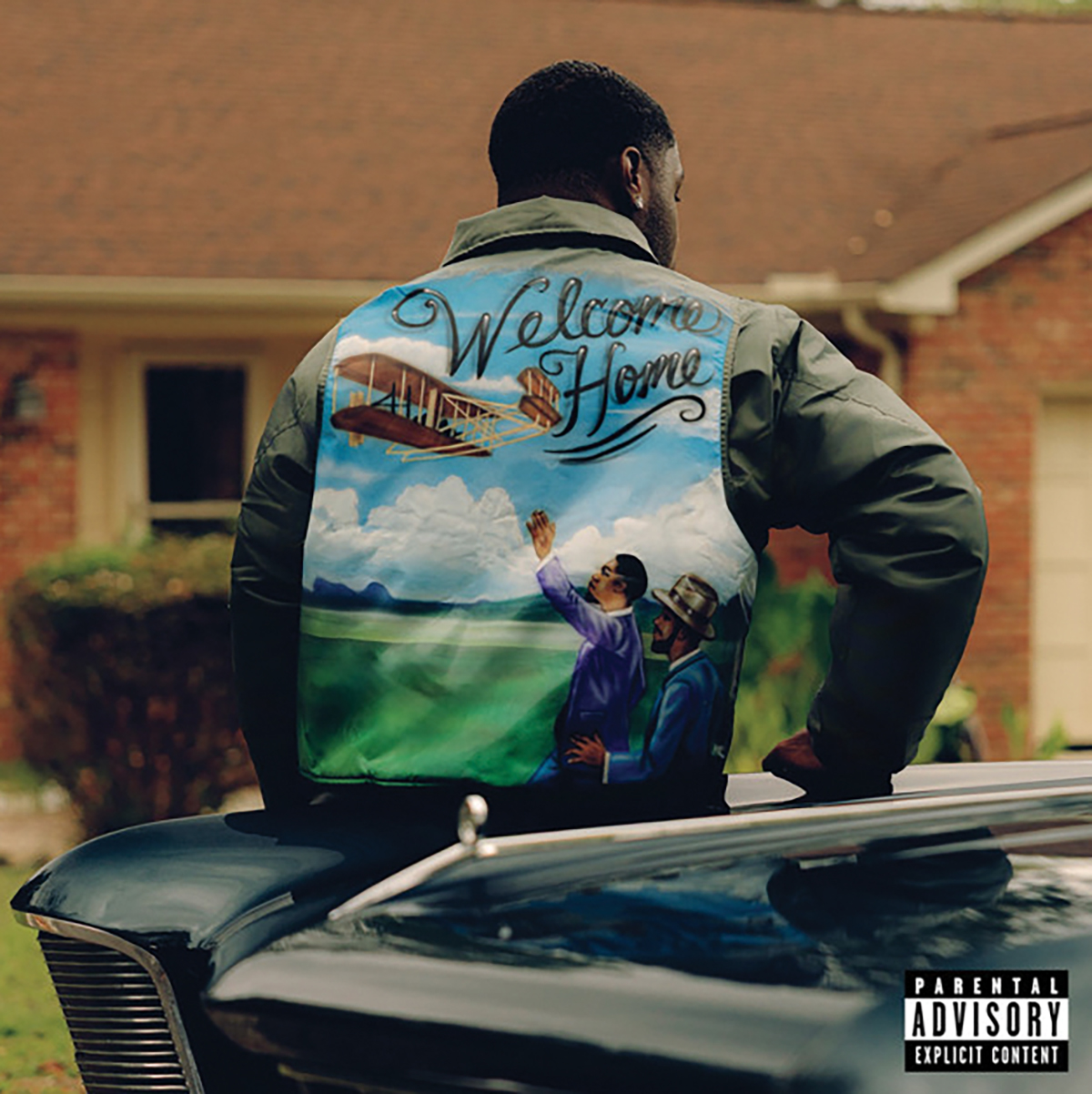
One of the album’s more intriguing aspects is its spoken-word framing device, a series of between-track snippets of conversation between Vincent and Aziza Dearra, a real-life friend of his from Charlotte. They talk about his career travails and moving back home, with lots of local Easter eggs. The album’s first track, “Homecoming,” even concludes with a “welcome to Charlotte” in-flight announcement.
Since Douthit is more than twice Vincent’s age, it’s not surprising that Welcome Home has turned out to be a highly unusual crossover. It’s one that’s between generations rather than styles.
“It’s like an ongoing conversation that shows how old hip-hop is as a culture, kids and their parents listening,” Douthit says. “We’re at a point where everybody in the house listens to rap. Grown-ups, too, which was definitely not the case when I was 15.”
For his part, Vincent seems content to be back in North Carolina.
“I love home, it’s where the heart is,” says Vincent. “There are things I had to learn, so I had to leave for a while. But one thing about North Carolina, it’s very grounding. For someone like me, it’s important to have someplace that keeps you grounded.”

This article originally appeared in the February 2026 issue of WALTER magazine.