This Wake County park reimagines agriculture as a tool for education, sustainability and community connection
by by Susanna Klingenberg | photography by Liz Condo
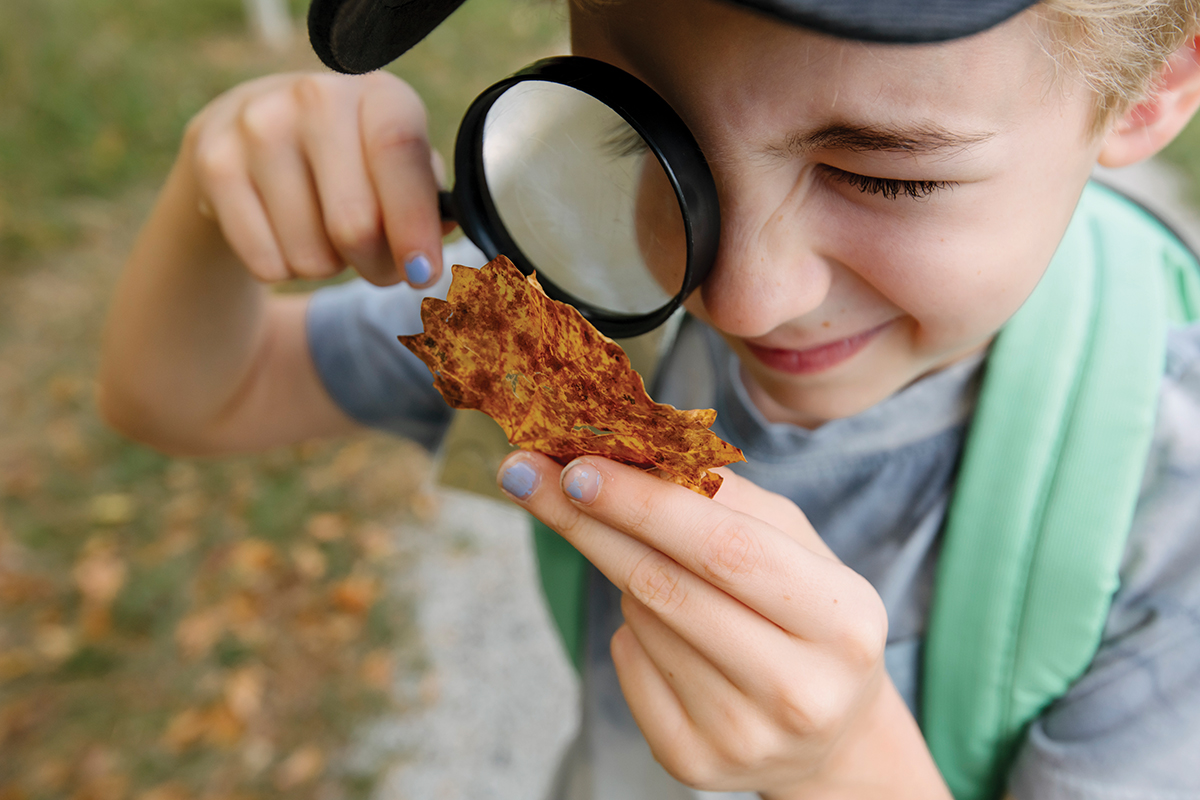
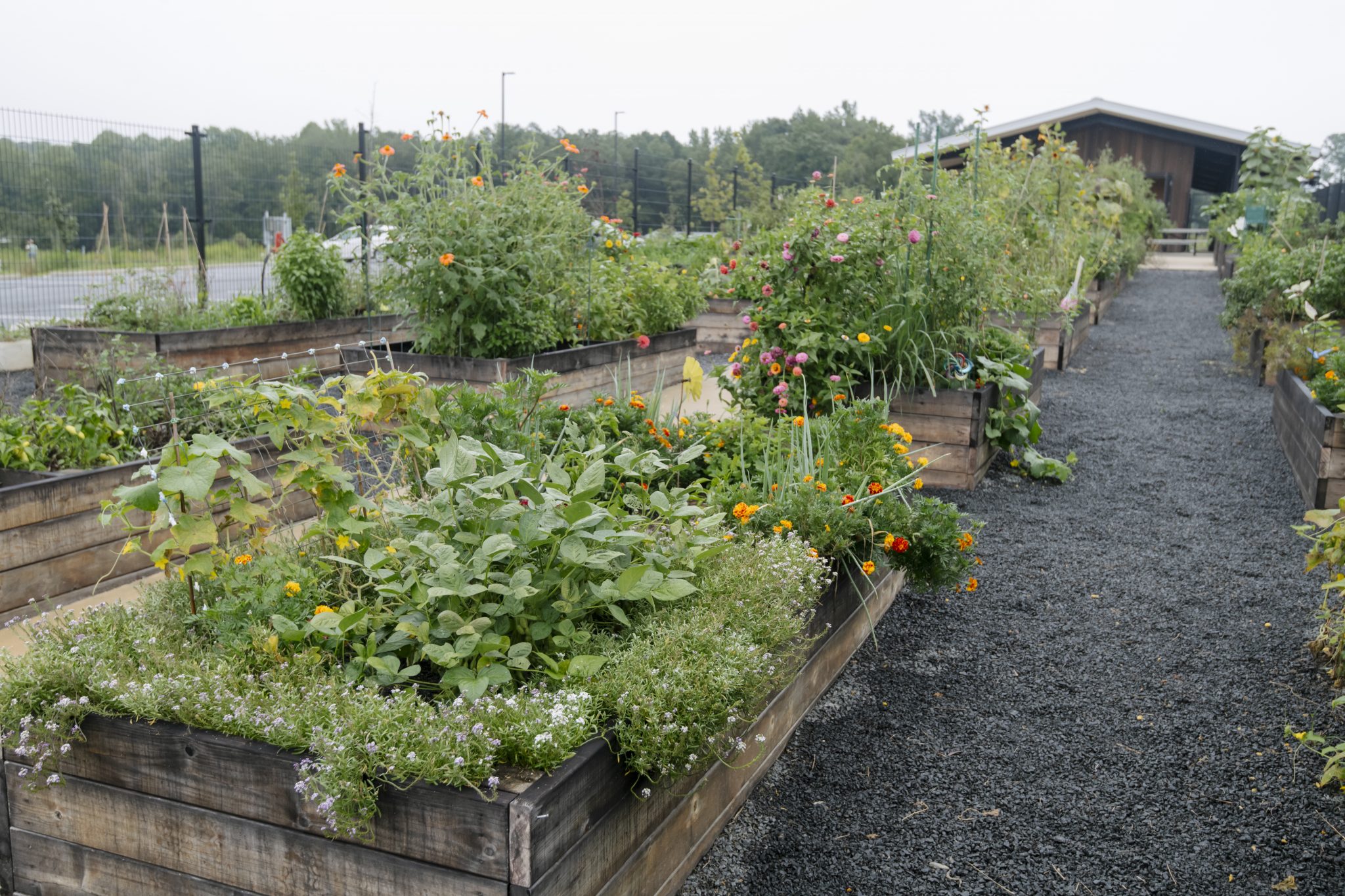
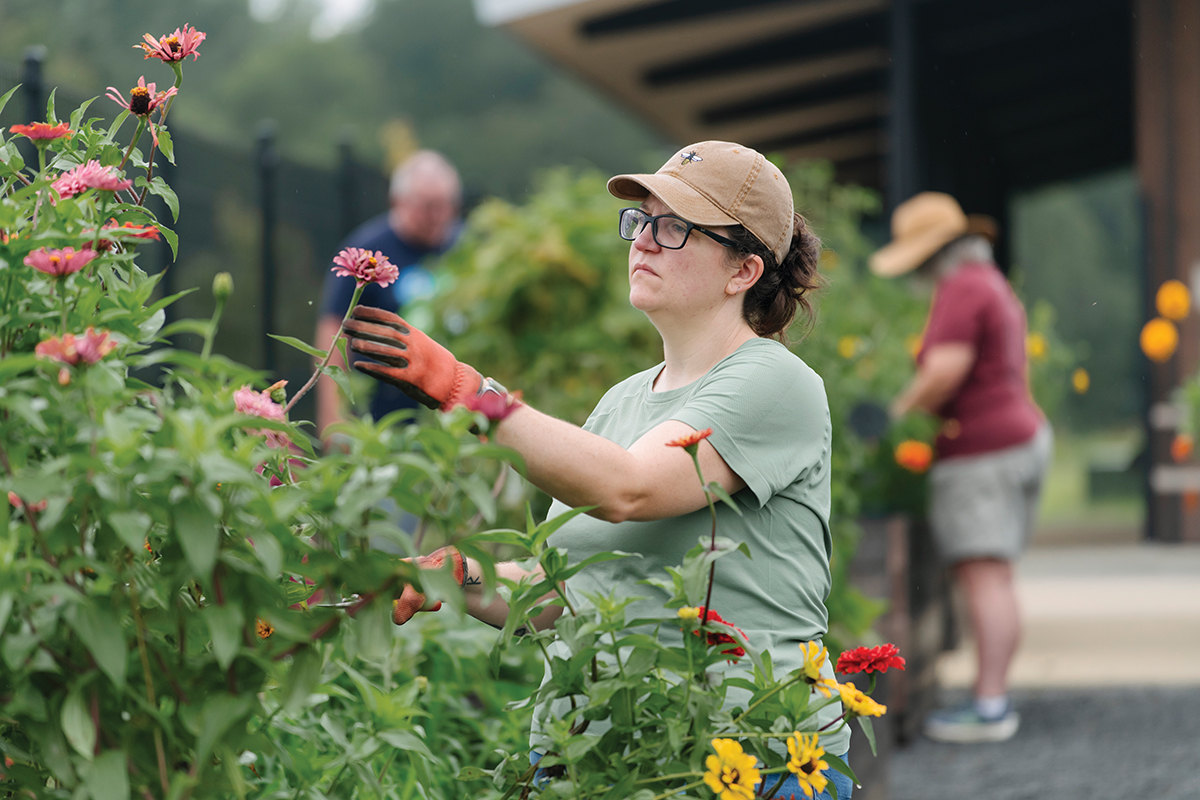
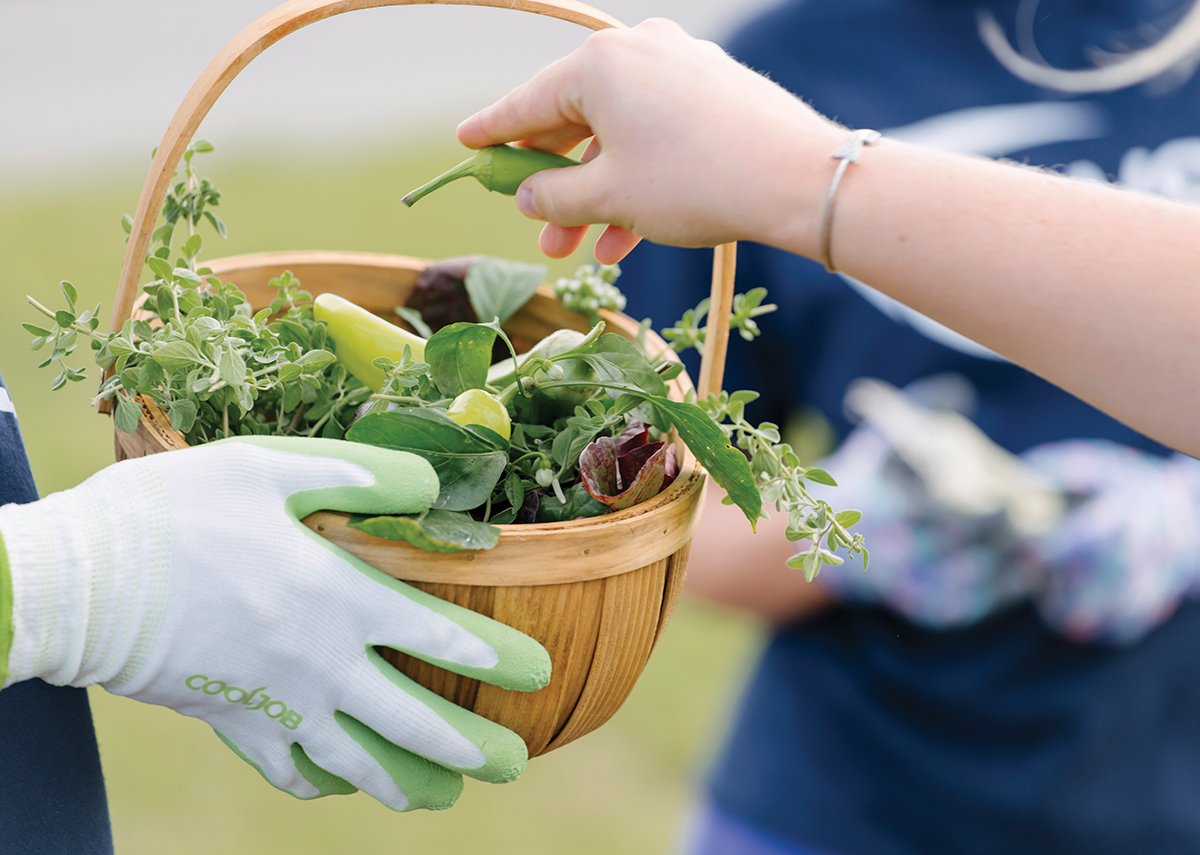
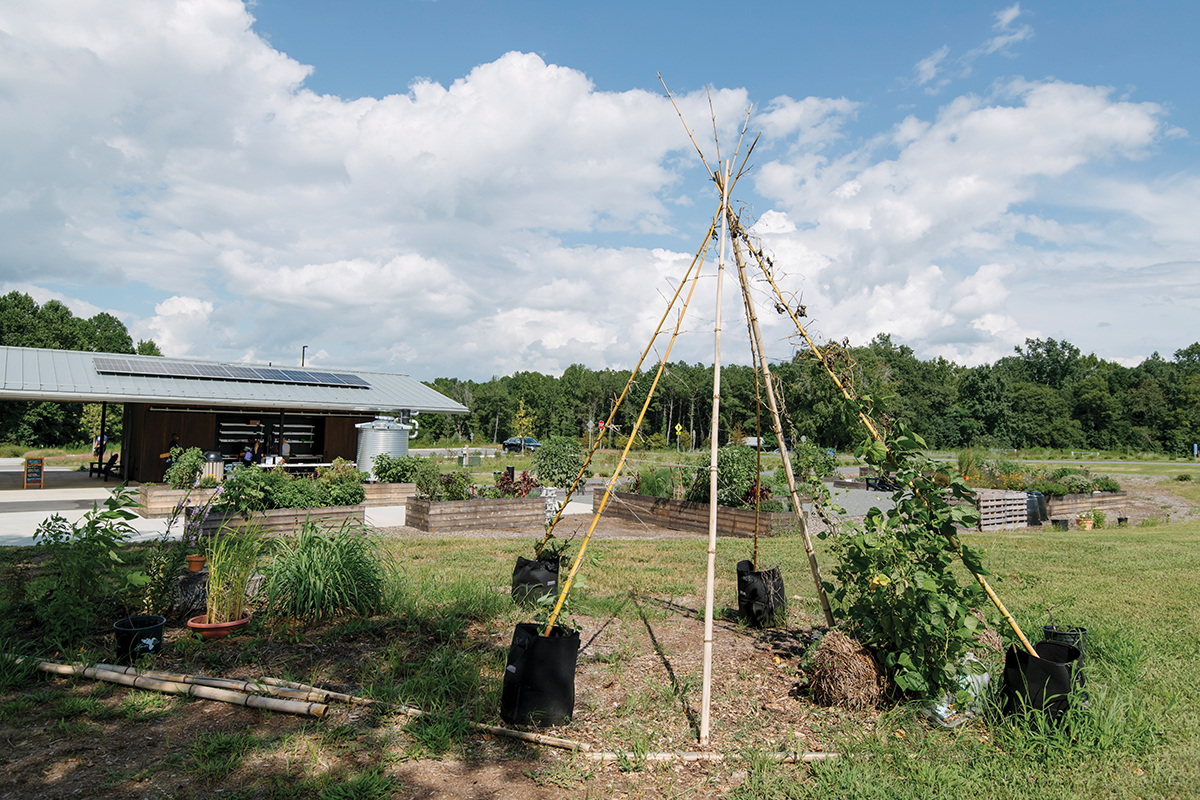
Step onto the 300 acres of Beech Bluff County Park in Willow Spring and you’ll feel the pace shift. The sound of traffic fades, replaced by frogs calling and gravel crunching underfoot. The air smells of soil and fruit, and overhead, a pair of red-shouldered hawks circle as if in greeting. In the gardens, children kneel beside raised beds, tasting the basil and beans they’ve just picked. Nearby, adults wander the foraging forest and drift along the canopy walk.
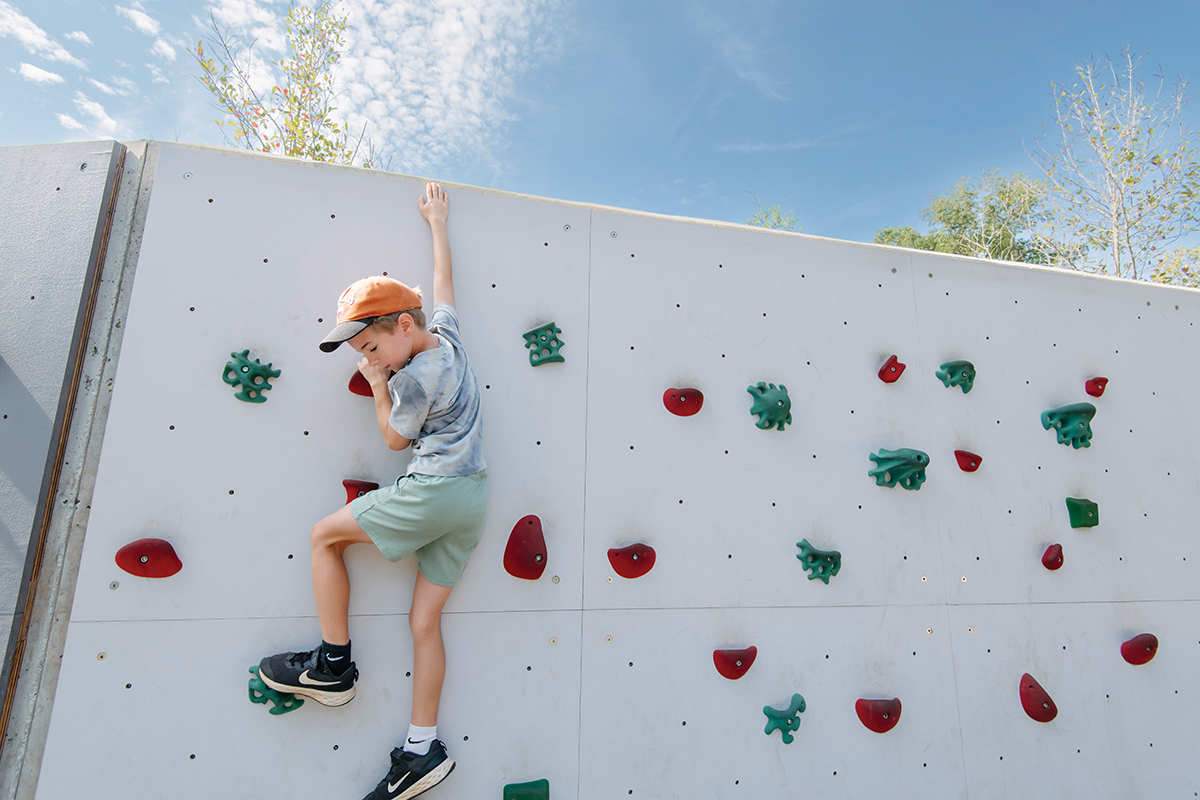
Opened in March 2025, Beech Bluff is a space meant for recreation — but it’s also a community-directed response to our modern disconnection from the land and the source of our food. When Wake County started acquiring the land, formerly a farm, they conducted a formal input process about what residents wanted to see there. “The community made it clear they really wanted an agriculture program,” says Christina Sorensen Hester, the park’s manager. “Which works well, since the land’s history was already leaning that way. Everything that happens here is our response to a real community desire to understand where our food comes from.”
It doesn’t take long to discover what makes the park special. Demonstration gardens burst with produce and an emerging foraging forest is dotted with plums, persimmons, berries, nuts and medicinal herbs. There’s a steady rhythm of programs for all ages on everything from composting to water conservation to regenerative farming practices. The park reimagines the land’s farming legacy at a scale you can try in your own backyard.

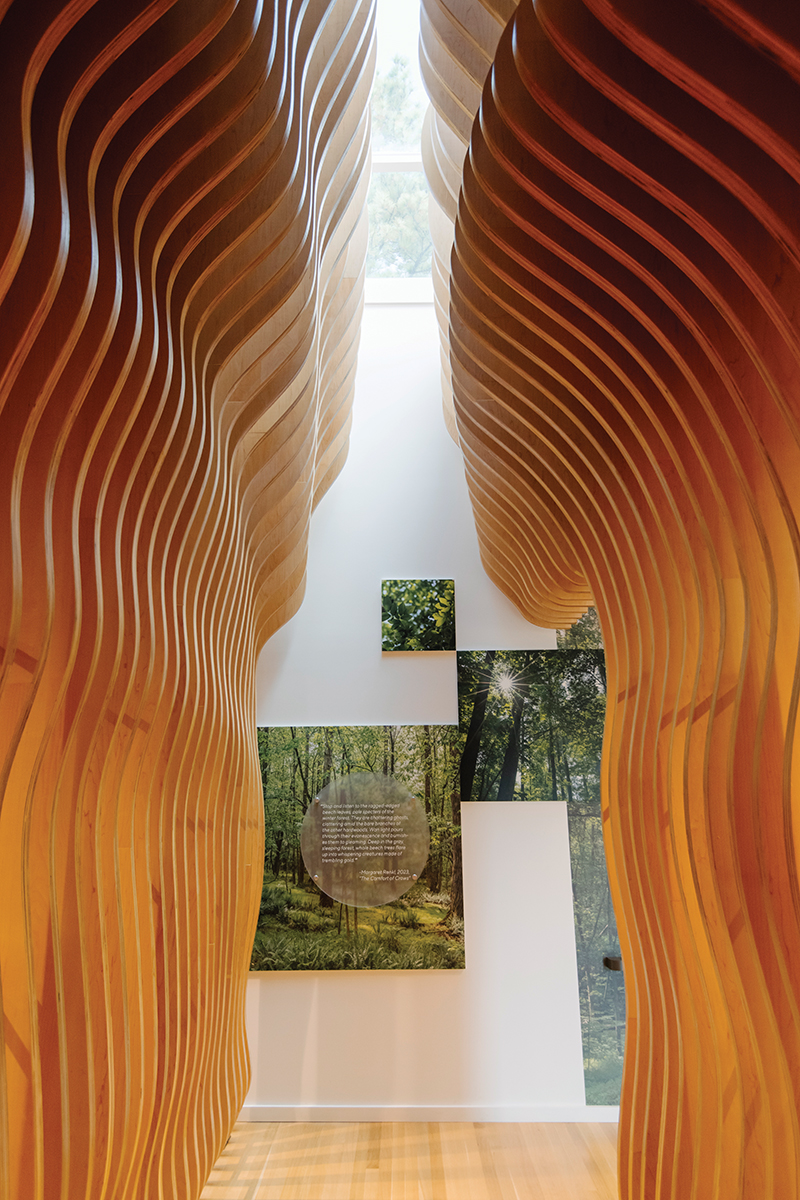
“Gardening is not as common as it once was,” says Chris Snow, Wake County’s director of parks, recreation and open space. “A lot of young people only know food from a store. They’ve never seen it grow or had the chance to pick it themselves.”
Beech Bluff’s mix of forests, wetlands, fields and rocky outcrops has a long history of sustaining people. “Before becoming a park, this land was farmed by seven generations of the Adams family and likely for thousands of years before that by the Tuscarora people,” says Will Ammons, assistant park manager and head of the park’s agriculture team.

The Adams family first farmed the land to feed themselves starting in the late 1700s. Slowly, they expanded from subsistence farming to a business that supported the family financially. Records show their crops included strawberries and, surprisingly, rice, a crop typically associated with the deeper South. The Adams also grew grapes that were fermented in a small winery on the property, which is now a church.
At many parks, that layered history would be tucked into a small exhibit in the visitor’s center. At Beech Bluff, though, the land’s agricultural history is its modus operandi. “By cultivating the land and teaching basic agriculture to the public here, we’re remembering the past and honoring it, even as we look toward the future,” says Ammons.
That involves teaching the next generation. In the learning gardens at Beech Bluff Park, the story of food comes alive for children, says Sierra Pantlin, one of the park’s agricultural technicians. Younger learners love the hands-on immediacy of tracing food from the soil to their palette.
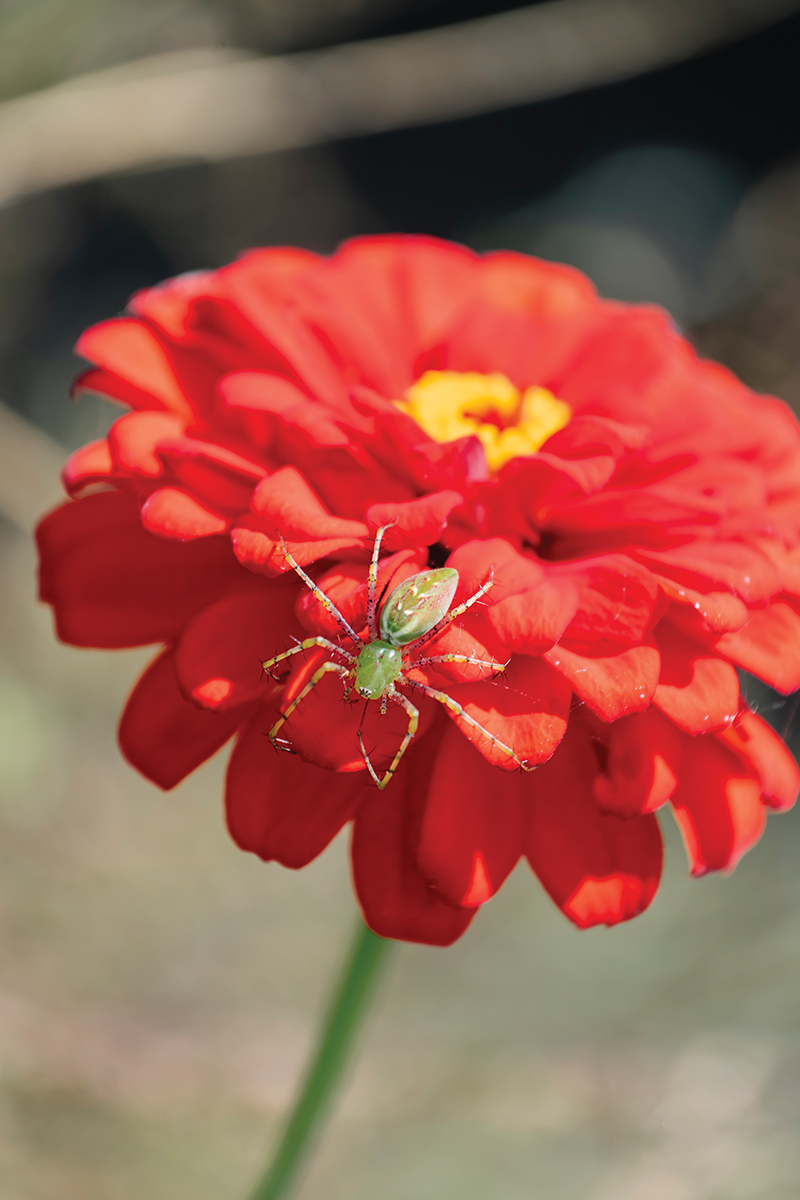
“We talk about pollination and kids can immediately see a bee go from flower to flower,” says Pantlin. “We talk about decomposition and they can find worms in the compost. Seeing agriculture in action really connects the dots for them.” And the impact trickles up, she says: “Kids touch, smell and taste everything — sometimes it surprises their parents! But it inspires adults to get their hands in the soil, too.”
Even the park’s infrastructure reinforces the connection between people and the land. Beneath the parking lot, a geothermal system quietly powers the site, and rainwater is captured and reused. “We’ve got 4,500 gallons in tanks to care for our learning garden,” Ammons says. “Every last detail is focused on being natural and sustainable.”
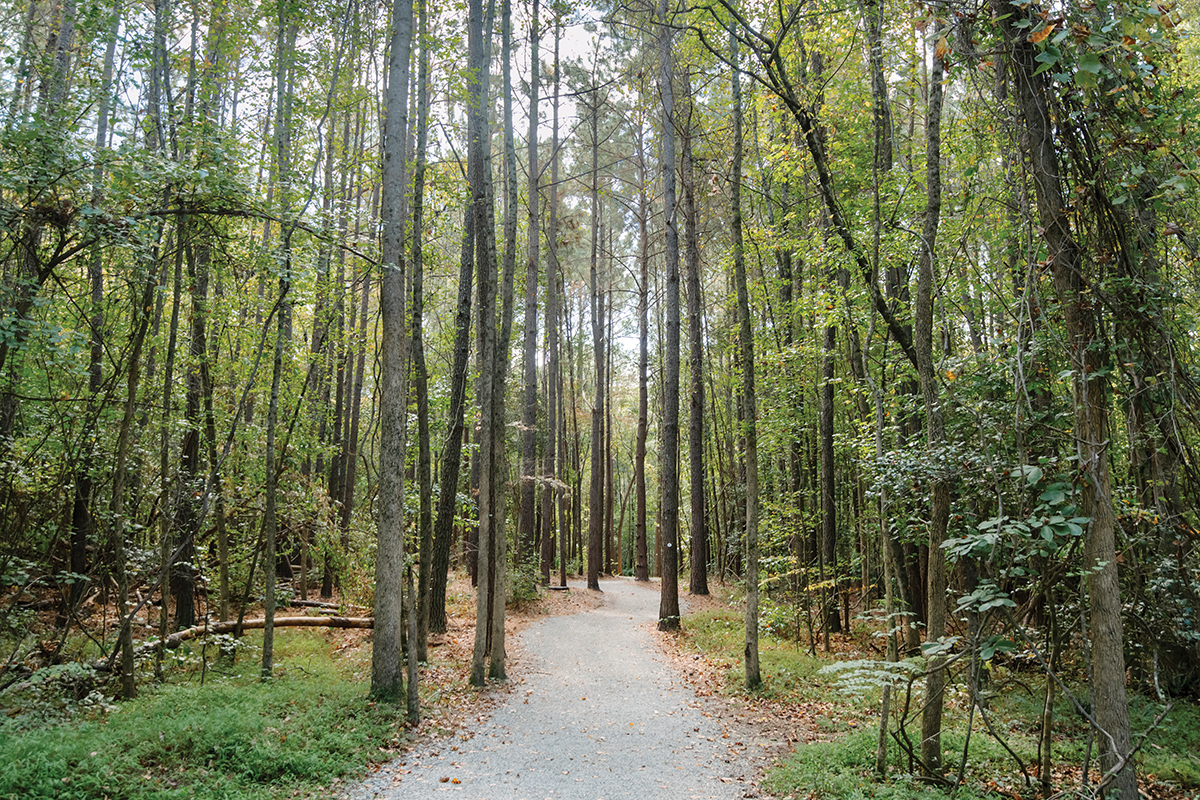
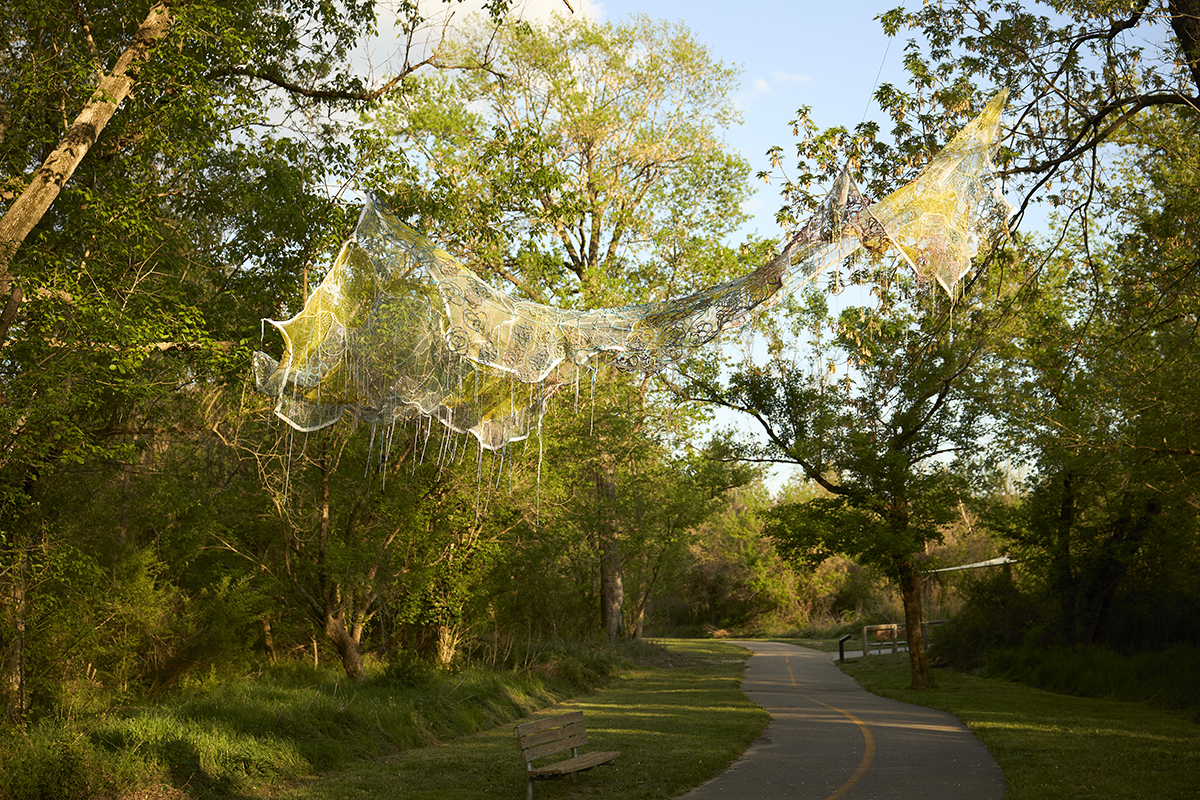
And yet, for all its innovation, the park never loses its sense of place. Venture beyond the demonstration gardens and the lively playground, and the 4 miles of wooded trails open into a softer, quieter space. Pale beech trees and loblollies filter the sunlight, and a hush settles that feels a world away from Raleigh, even though it’s just around the corner. It’s easy to imagine the generations who tended this land long before us. The rustle of deer, coyotes, possums and turkeys and the chorus of frogs are reminders that this land has always nourished more than just its human inhabitants.
Preserving Beech Bluff’s sense of place and history feels urgent in rapidly growing Wake County. “We live in a place where our connection to food and the natural environment can be lost if we don’t nurture it,” Ammons says. “Almost all of our ancestors relied on agriculture. It’s part of our human story, and it shouldn’t be forgotten.”

This article originally appeared in the May 2026 issue of WALTER magazine.