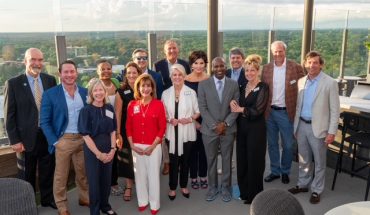
The new Gateway Plaza restaurant is a project from industry vets Zack Gragg, Marshall Davis, Angela Salamanca, Eric Montagne and Justin Pasfield
by Catherine Currin | photography by Forrest Mason

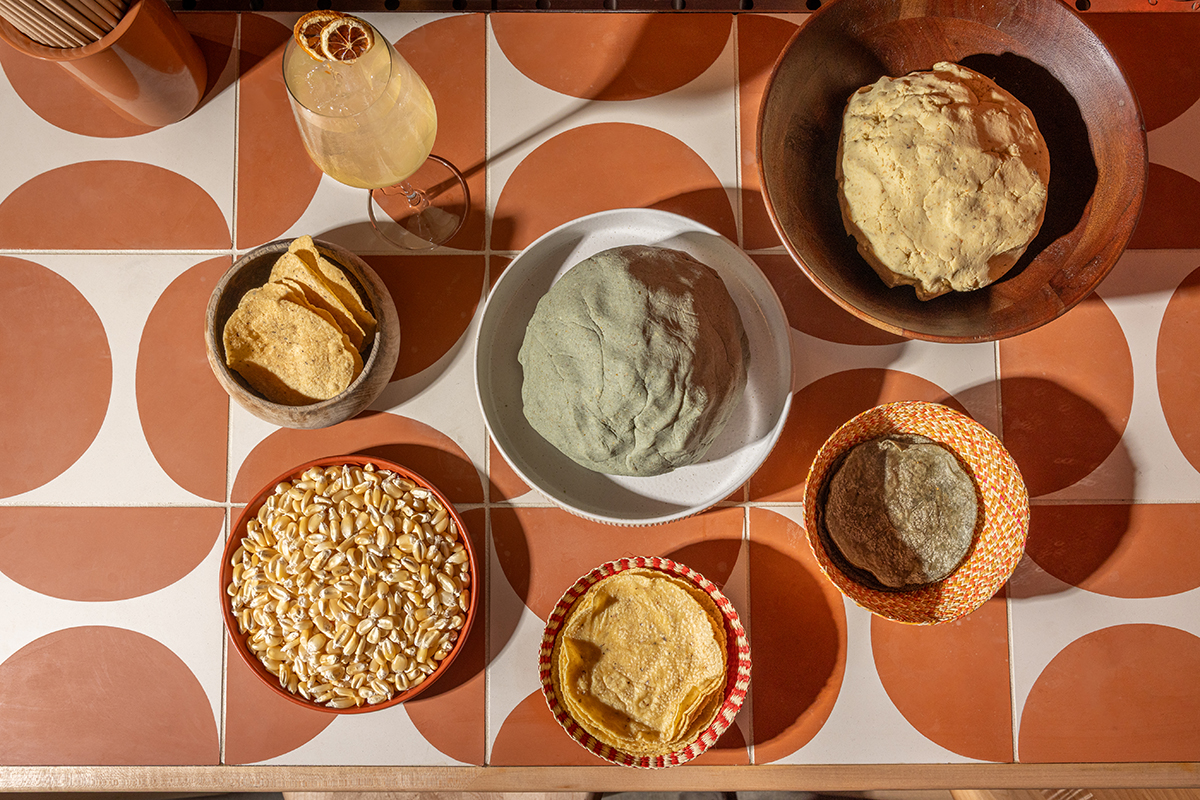
It’s said that good things take time, and that’s certainly true of masa, a pillar of the menu at Mala Pata. It starts with corn sourced from Oaxaca, Mexico — a region known for centuries for its heirloom varieties of this versatile crop. “After the corn is harvested, it’s dried for several weeks in Oaxaca before it’s sent here,” says Zack Gragg, Mala Pata’s executive chef and co-owner. For this dried corn to turn into masa, it has to go through a process called nixtamalization. Gragg and his team cook the kernels for an hour, then soak it for at least 18 hours in calcium hydroxide to remove its outer skin. Then it’s rinsed, washed and ground, creating a multi-purpose ingredient with a doughy consistency and earthy flavor.
“The masa is really a labor of love,” says Gragg. “From the time we start the cooking process, it’s about a day and a half before we can use it in a dish.”
Masa can be found across the menu in many forms, from tortillas and tostadas to chips and flautas — even in cocktails. “ We are cooking about a hundred pounds of dry corn each week, and that produces about 200 pounds of masa,” says Gragg. But the hard work pays off, says Marshall Davis, another co-owner: “We’ve had a number of folks visit us that either grew up in Mexico or have roots in Mexico that have said, this tastes like home. We live for those moments.”
Much like its key ingredient, Mala Pata has taken some time to coalesce from a pandemic idea into the brick-and-mortar restaurant that opened in May in Gateway Plaza. Along with Gragg and Davis, Mala Pata is the brainchild of Raleigh food veterans Angela Salamanca, Eric Montagne and Justin Pasfield.
The partners connected during the pandemic while working to open individual concepts at the Durham Food Hall. Each was having their own struggles opening and closing restaurant concepts, and joked about their “mala pata.” “It’s a slang term that refers to the ‘bad luck’ we have encountered,” says Salamanca, who also owns downtown’s Centro. They started cooking together, serving up food through pop-up meals at places like Raleigh Wine Shop and Longleaf Swine BBQ (where they sold out of tamales in 23 minutes at one event).
The pop-ups worked to create buzz for several years as they waited for the right space to open. “Even though it was challenging, we were lucky to work through all that together and re-envision how to approach business in the future,” Salamanca says. “It also speaks to the spirit of us as entrepreneurs — always making do with what we have, using creative ways to make things work.”
Visit Mala Pata and you’ll be convinced it’s worth the wait. Tucked into the western end of Gateway Plaza, the black facade of the restaurant is marked by a mural of a giant yellow eagle. Signage directs guests to enter through the side door, where inside they’ll find a sunny, eclectic space done in a palette of yellow, burnt orange, browns and greens. The modular space is outfitted with simple, light-wood tables and chairs; bright murals of corn and cactus adorn the walls, along with canvases depicting traditional Mexican jaguar masks painted by local artist Tyler Wolf. Pottery and clay masks hang on the wall; plants and books line the bar.

Guests can dine with a clear view of Gragg and team in action, or for a different experience sit in the “yellow room,” a tucked-away alcove with banquette seating.
The menu is meant to be explored and shared, full of Latin American-inspired dishes to pair with bright, playful cocktails. “We’re trying to create dishes where people can really explore all of the flavors,” says Gragg. Guests will find a few twist on Mexican favorites, like the guacamole plate, which is served with pickled onion and pepitas, and ones that nod to Latin culture in novel ways, like the Piña y Queso, a salad with bright bites of grilled pineapple and queso fresco, topped with radicchio and a pineapple vinaigrette. “It’s an unexpected combo of flavors — delicate and fun,” says Salamanca. There are several taco options with fillings like pork carnitas or relleno-fried NC drum, enchiladas with a Cheerwine mole and a grilled whole fish served with mango salsa and, of course, homemade tortillas.
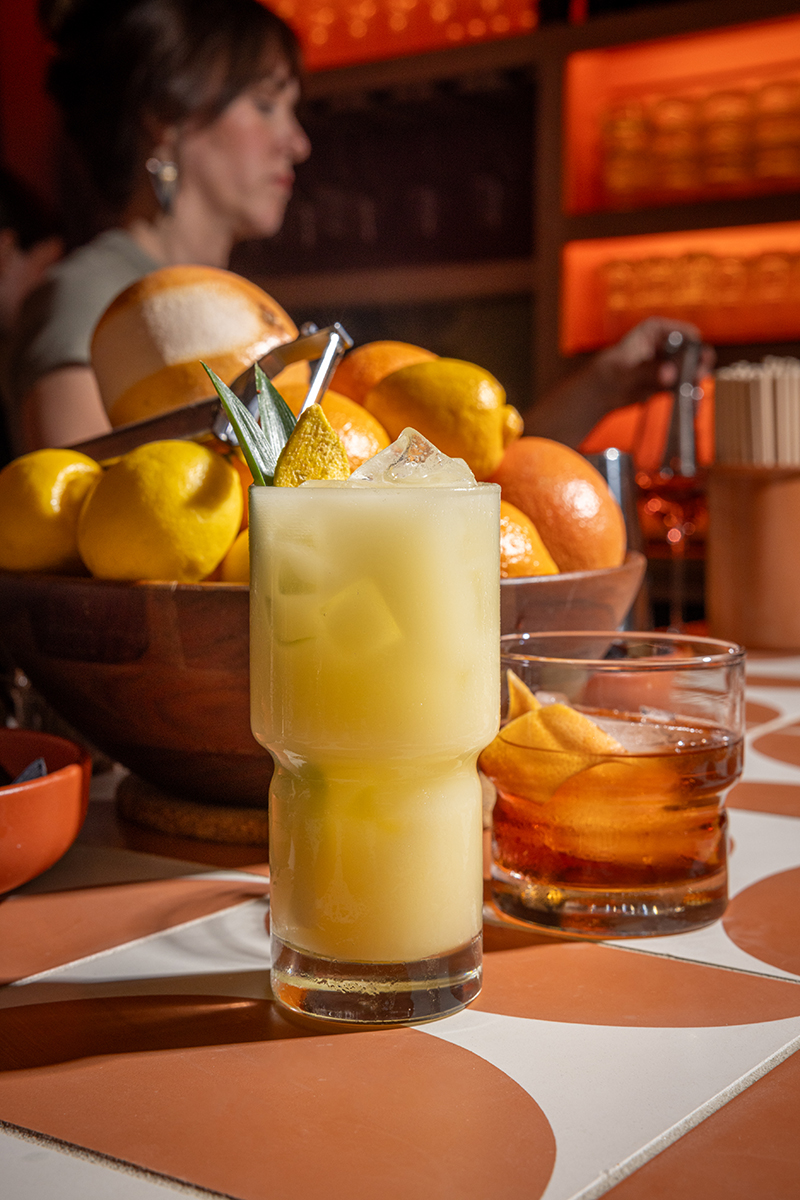
Davis, who partnered with Salamanca for many years at the recently closed Gallo Pelón Mezcaleria, is leading the beverage operation for both Mala Pata and Peyote, a colorful, eclectic bar adjacent to the dining room. “Mala Pata and Peyote are a bit different from each other, but they still speak the same language,” says Gragg. Peyote has fresh takes on classic Mexican cocktails, like the Fuego Margarita (an electric-green, slightly spicy version of the classic) and the Banana Painkiller (a fruity, nutty refresher).
Davis even incorporates Mala Pata’s heirloom masa into house-made liqueurs and syrups that he uses for a variety of cocktails. One of them is the Nixta-Tonic, his take on a spritz — it’s bubbly and herbaceous with undertones of sweet corn. “ We intended that to be the drink that people start with if they’re waiting for a table or if they’re just getting a small plate at the bar,” he says.
Salamanca said that like Mala Pata, the idea for Peyote was born as a result of the many pivots they all took during the pandemic. “We knew we wanted a small bar that could operate independently from the restaurant,” she says. “We wanted the space to feel fun and funky, and in one of our brainstorming sessions we joked about doing Peyote so we could get into an altered headspace to come up with a name.” Contrary to popular mythology, Salamanca says, the team never actually did get into the peyote, “but the name stuck,” she laughs.
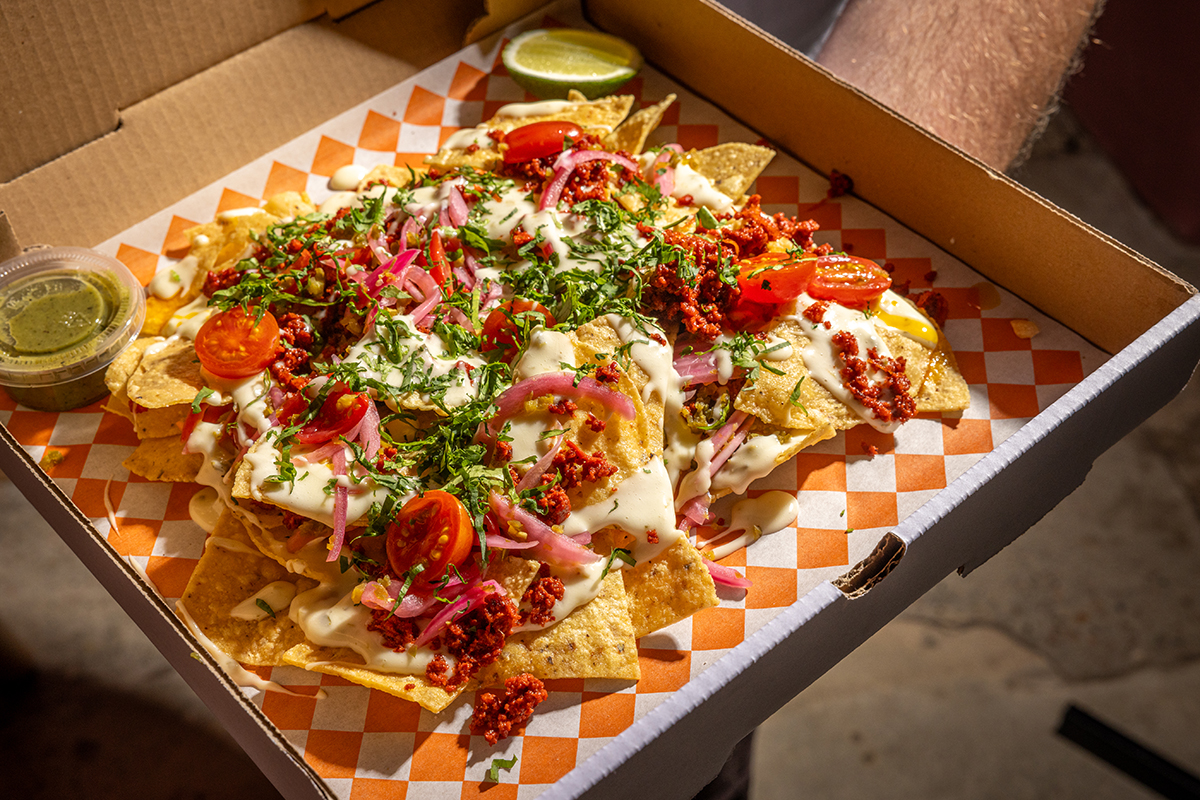
While still in development, Peyote will eventually have a smaller, slightly varied bar menu that pulls from Mala Pata’s vernacular, geared toward snacks like chips and queso and late-night bites like pizza-box nachos.
Despite some “bad luck” along the way (delays, permits, construction woes), the decision to open in Gateway was an easy one from the start, Salamanca says: “We’re excited about helping to revitalize a plaza that’s been part of the city’s history for such a long time.” Agrees Gragg: “There’s some really talented people in this area and everyone’s just been extremely supportive of each other’s growth.”


This article originally appeared in the August 2025 issue of WALTER magazine.