This month, take advantage of fig season and get to work starting fall veggies and plan transition-season pollinators.
by Helen Yoest | Photographs by Liza Condo


As sweet as honey, figs ripen at the peak of summer, offering a tasty reward for toiling away in our heat! While others may be more creative — putting figs on a salad, making jam or Newtons — I enjoy my figs just as they are. I’ll walk by a tree, find a ripe one or two, and pop them right into my mouth. So delicious!
Taste and Propagate Figs
Figs thrive in North Carolina’s Piedmont soils, but can also do well on the coast and out west, with additional care. Currently, I grow seven varieties of figs, which provide me with sweet delights from late spring through late fall. They include Brown Turkey, a widely available plant that produces two crops (one in the spring, which sprouts on last year’s growth, and a second, larger crop from about mid-August through September). For fig harvests throughout the summer and into late fall, consider planting Marseilles, Celeste and Kadota varieties, which each have a slightly different growing season. Figs are easy to propagate from cuttings, so if you enjoy a taste off your neighbor’s tree, ask for a branch. Dip the cut end in a rooting hormone, like Root Tone, and place in a container with potting mix to start a new plant.
Start Fall Veggies
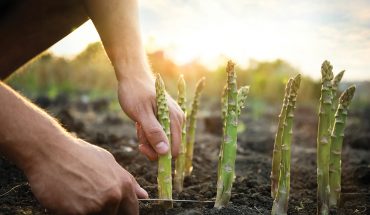
It’s time to plant cool-weather crops such as arugula, beets, broccoli, Brussels sprouts and a Southern favorite, collards. Sowing seeds is a good way to start cool-weather crops, since heat is naturally provided; just be sure to keep them watered. While you wait for them to grow, continue harvesting summer crops like tomatoes, eggplant, peppers and basil, which will keep going well into September.
Plant Transition-Season Pollinators
Providing flowers for pollinators like butterflies, hummingbirds and bees is essential as the summer wanes, since they’re preparing for migration or hibernation. Some worthy pollinator plants for full sun include the Blazing Star, goldenrod and coneflowers. For an area of full sun to partial shade, consider Cardinal flower or Joe-pye weed. This time of year, buy plants at the nursery and plant them twice the width of the nursery container, but no deeper than the soil level.

This article originally appeared in the August 2025 issue of WALTER magazine.