A look at Raleigh City Farm’s unique evolution, urban agriculture programs and its role in sustainable local food and education
by Rachel Simon | photographs courtesy Goodness Marketing
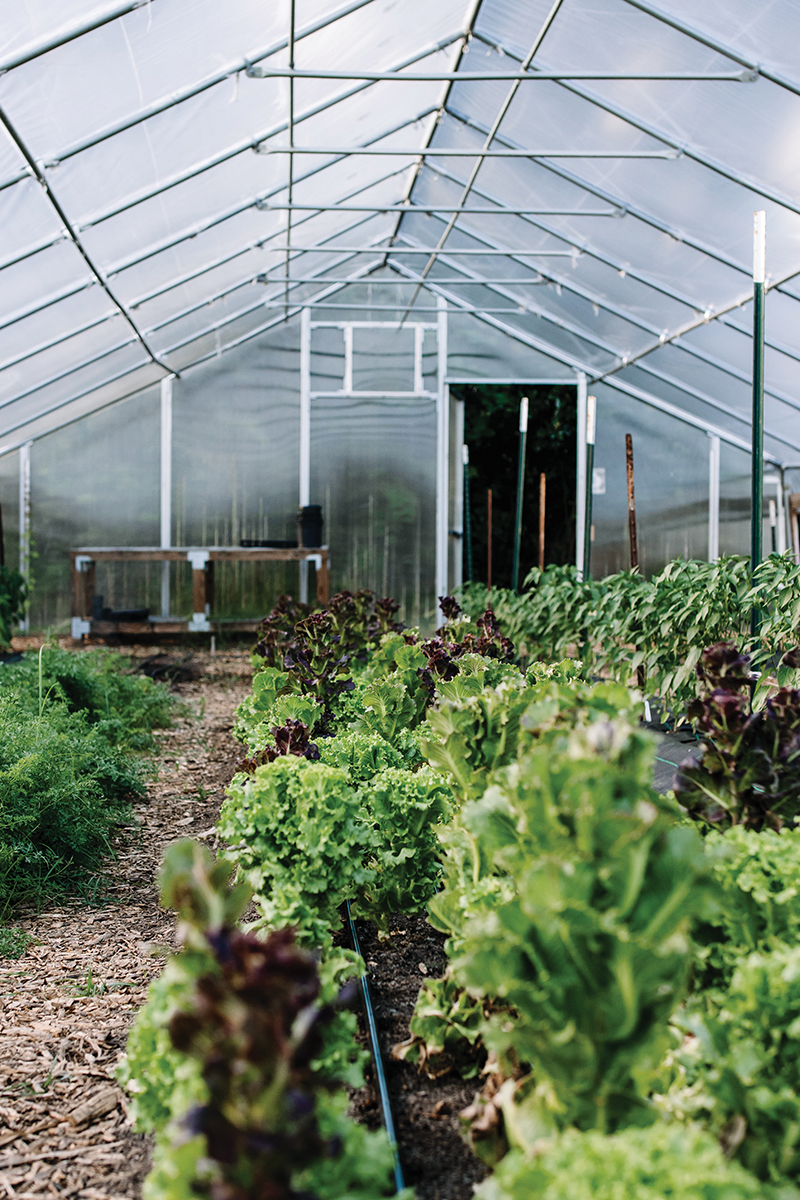
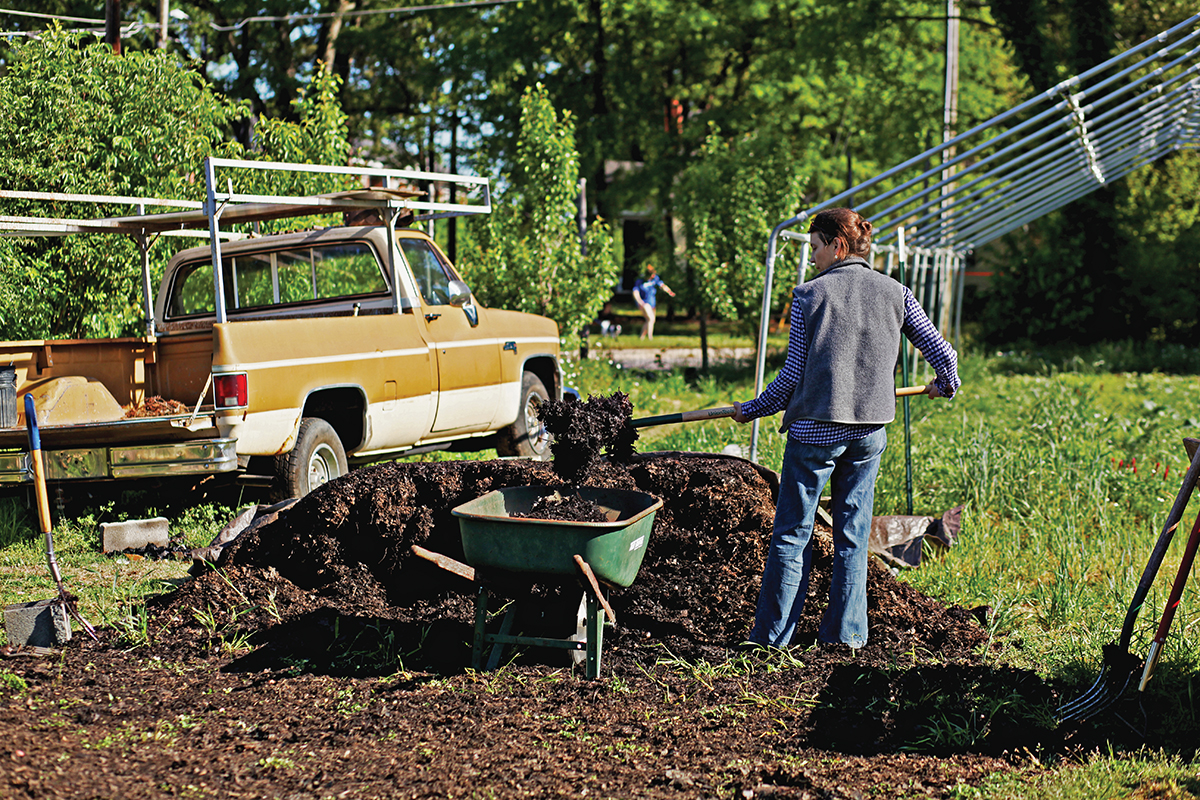
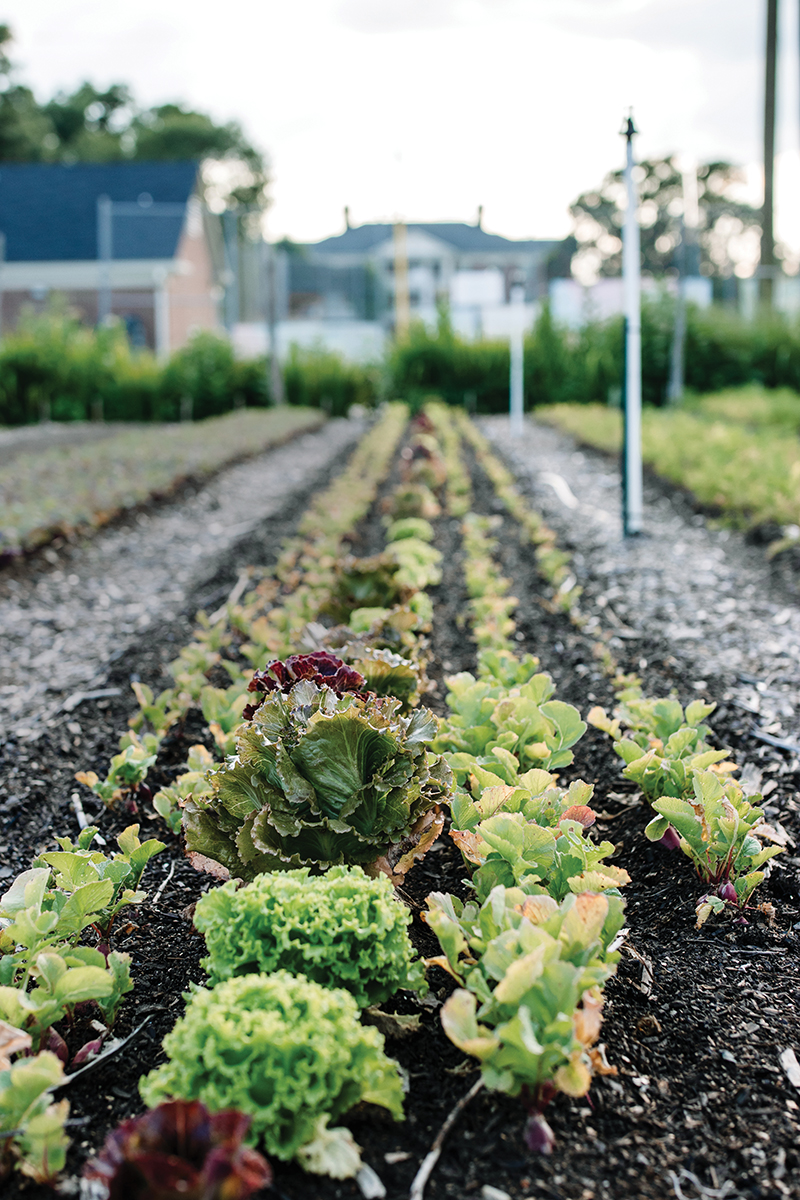
Mordecai’s Person Street Plaza is home to bustling businesses like Edge of Urge and Standard Beer + Food, but the shopping center’s liveliest tenants operate far underground — literally. At Raleigh City Farm, earthworms crawl within freshly watered soil, vegetables stretch their roots downward beneath weather-proof tarps and the stems of ornamentals push through the surface, waiting to be picked.
Situated on a 1.2-acre lot on the corner of Blount and Franklin Streets, Raleigh City Farm (RCF) grows thousands of pounds of produce and plants each year, distributing its products throughout the city’s community. In the year of the nonprofit’s 15th anniversary, it’s growing even more: expanding into a second location at Marsh Creek Park.
With two sites across the city, four full-time employees and a growing list of local partners with whom it shares its bounty, RCF has come quite a long way since 2011, when five Raleigh residents — Laura Fieselman, Laurel Varnado Passera, Josh Whiton, Erin Bergstrom and Jonathan Morgan — decided to turn a vacant plot near William Peace University into a hub of urban farming. For its first nine years, RCF operated as a communal lot for farmers to grow their own food, but in 2020, the organization changed its model to focus on addressing food insecurity throughout Raleigh.
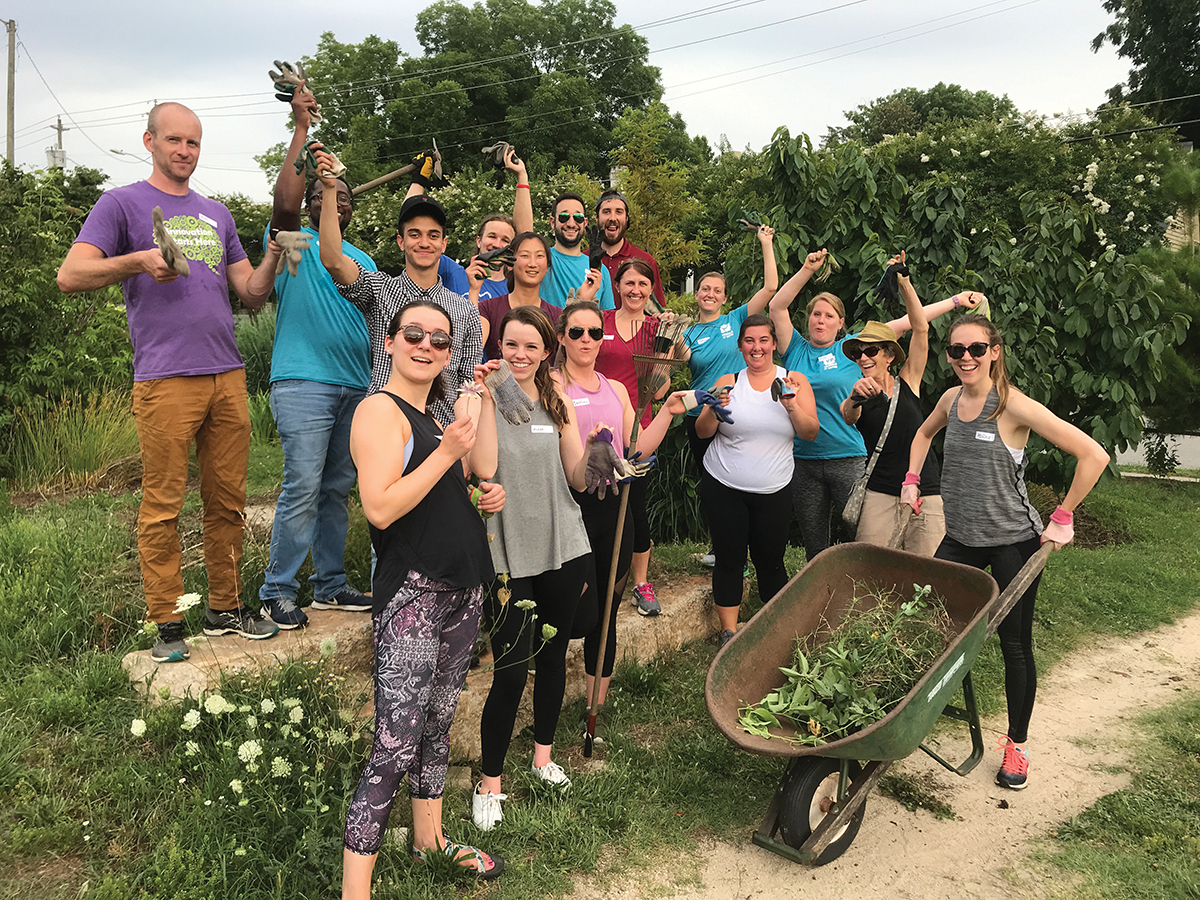
Over the last six years, RCF staff and volunteers have planted, grown and harvested over 56,000 pounds of produce, the majority of which is distributed via its Farmshare program to local nonprofits — including the Inter-Faith Food Shuttle and Carolina Cares — as well as a seasonal pay-what-you-can farmstand. RCF also offers several immersive programs like “weed walks” and “farm camp” to educate Raleighites of all ages on farming and sustainability. “Our goal is to connect and nourish our community,” explains Lisa Grele Barrie, RCF’s executive director. “Being more mindful of where our food comes from is part of the billboard of this little farm here.”
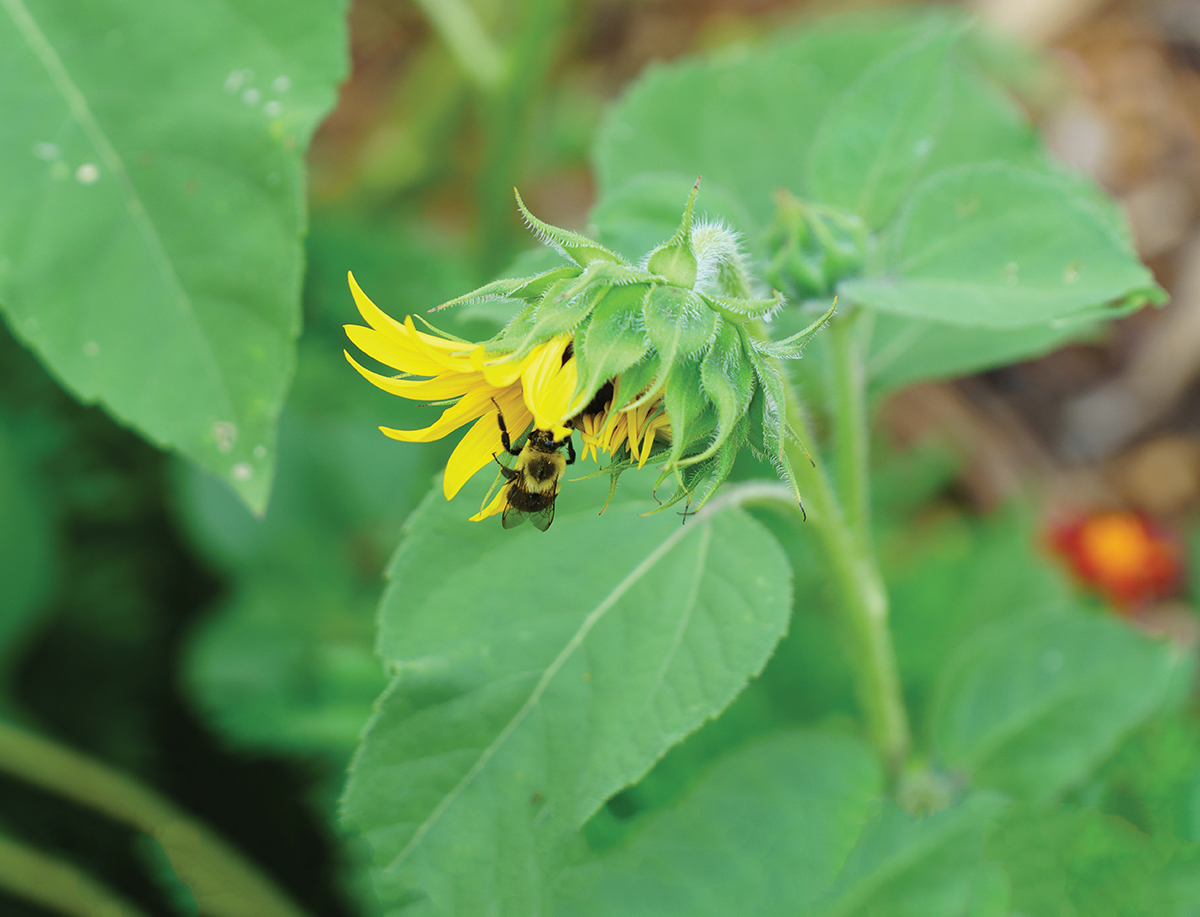
Every inch of the farm’s lot is thoughtfully allotted and cultivated to promote regenerative agriculture, which embraces the concept of improving — not just sustaining — an ecosystem. Rain gardens bring storm water from the skies to the fields; veggies like kale and collards grow in tidy greenhouse rows; an apiary produces honey and encourages pollination.
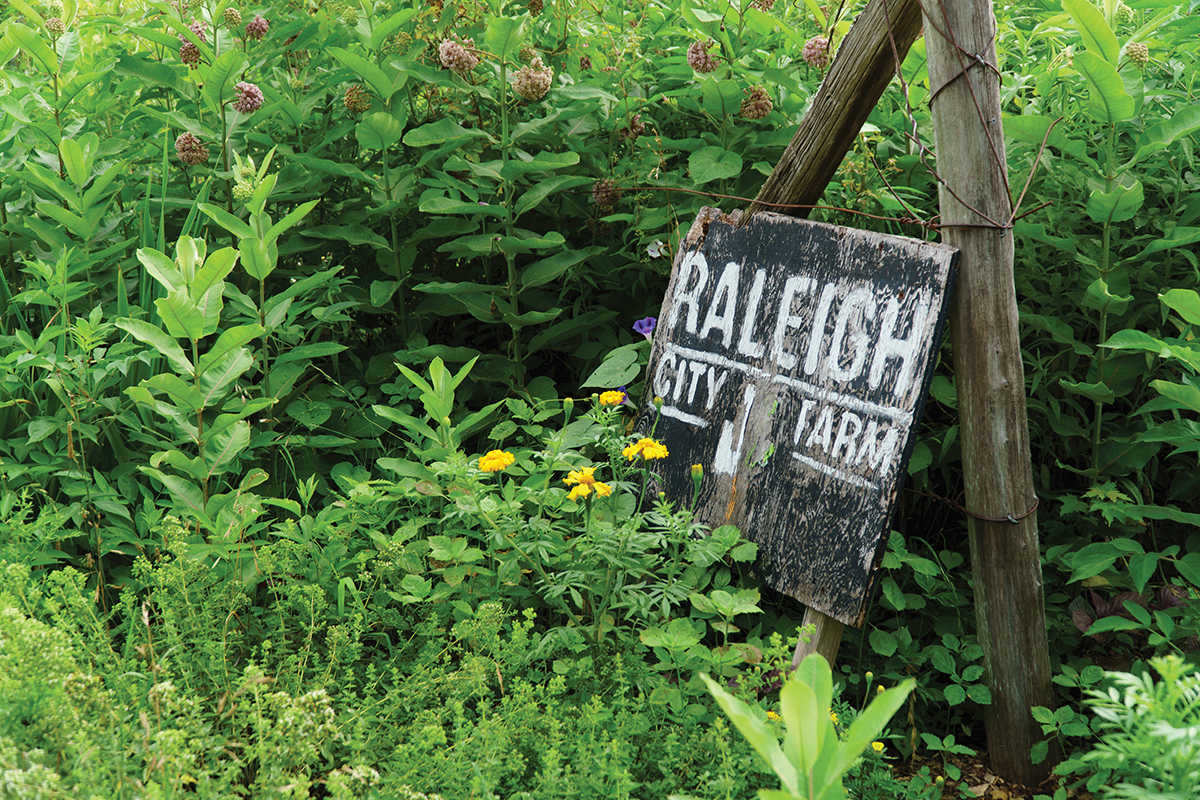
“We’re creating equitable access to healthy food and doing the everyday work to build the next generation of farmers,” says Maria Williford, who manages RCF’s day-to-day operations alongside Colleen Yeager.
With its lush greenery, chirping bird visitors and colorful murals (painted by RCF’s artist-in-residence, Julia Einstein), the farm offers a rustic style of fairy-tale beauty. “It’s pretty, but the message is that farming and farms are important,” says Barrie, noting that many people take food for granted and don’t question where it comes from or how it’s made. The hope of RCF’s staff and board, Barrie continues, is that “everybody who walks by the farm takes a moment to think about plants, and begins to think about their importance in our survival.”
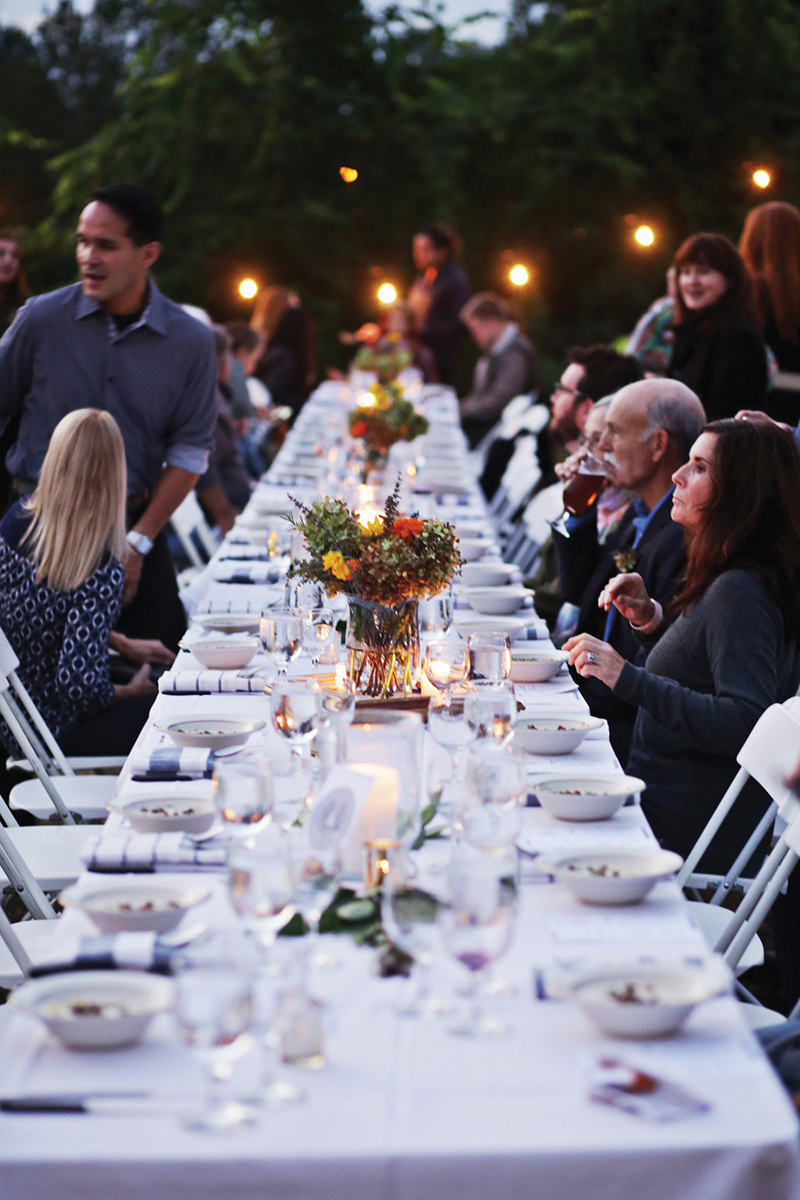
Many Raleigh residents do far more than just walk by. In May through October, RCF runs a popular “First Saturday” program featuring tours and workshops at the farm, and the farmstand (open on Wednesdays from April through October) supplies countless customers with fresh products like basil, peppers, flowers and more.
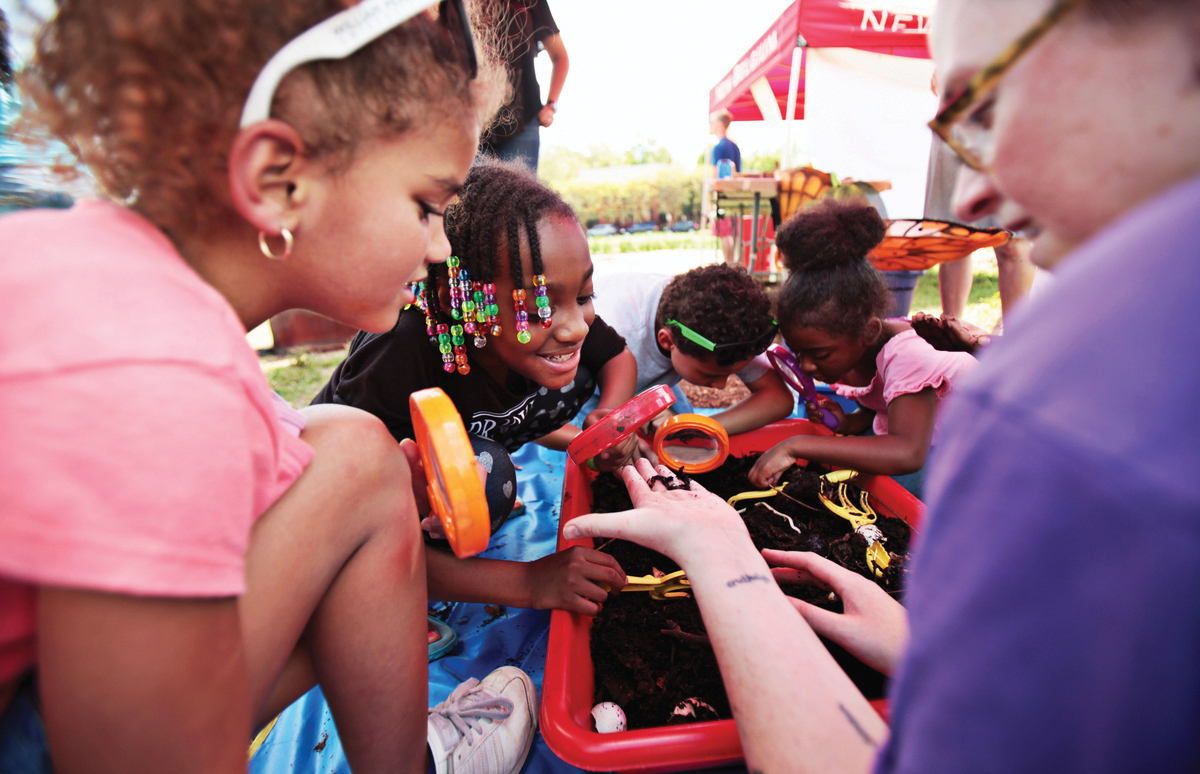
Kids, too, provide their own support to the farm, participating in programs like Farm Camp, accompanying their parents on shopping trips to the farmstand or wandering the grounds in between bites next door at Standard. The more exposure young people have to the plot and its offerings, says Barrie, the better. “If at an early age you care about something, you’ll do something about it. You’ll advocate for it,” she explains. “And while we’re not an activist organization, we’re hellbent on connecting people with plants and making them care more deeply.”
Williford and Yeager run a competitive internship program for adults interested in farming, and volunteering spots are so in-demand that the staff often has to turn folks away. “People reach out from all corners,” Barrie says. “It’s really cool how many people contribute to the farm in some way, shape or form.”
For the nonprofits that partake in RCF’s Farmshare program, these contributions make a massive difference. Thanks to RCF’s weekly harvest deliveries, “their produce helps us nourish folks with the freshest, healthiest meals,” says Maggie Kane, founder of A Place at the Table. She recalls a young customer’s delight at realizing he could order a vegetable-filled salad instead of packaged food at the pay-what-you-can cafe and then “devouring” the meal. “Because of Raleigh City Farm, we got to say ‘yes’ to that kid,” says Kane. “To his hunger. To his dignity. To his desire for something fresh and beautiful.”
Now, with the new farm at Marsh Creek Park, RCF’s impact will only grow. The 1.5-acre lot, developed in partnership with the City of Raleigh’s Parks, Recreation and Cultural Resources Department, will eventually feature a teaching garden, farmstand, volunteer opportunities and more offerings to nourish and engage the community. RCF staff are currently hard at work treating the soil and getting the ground of the East Raleigh space ready for planting, so that the plot (located in the back of a community center) can one day be productive as its predecessor.
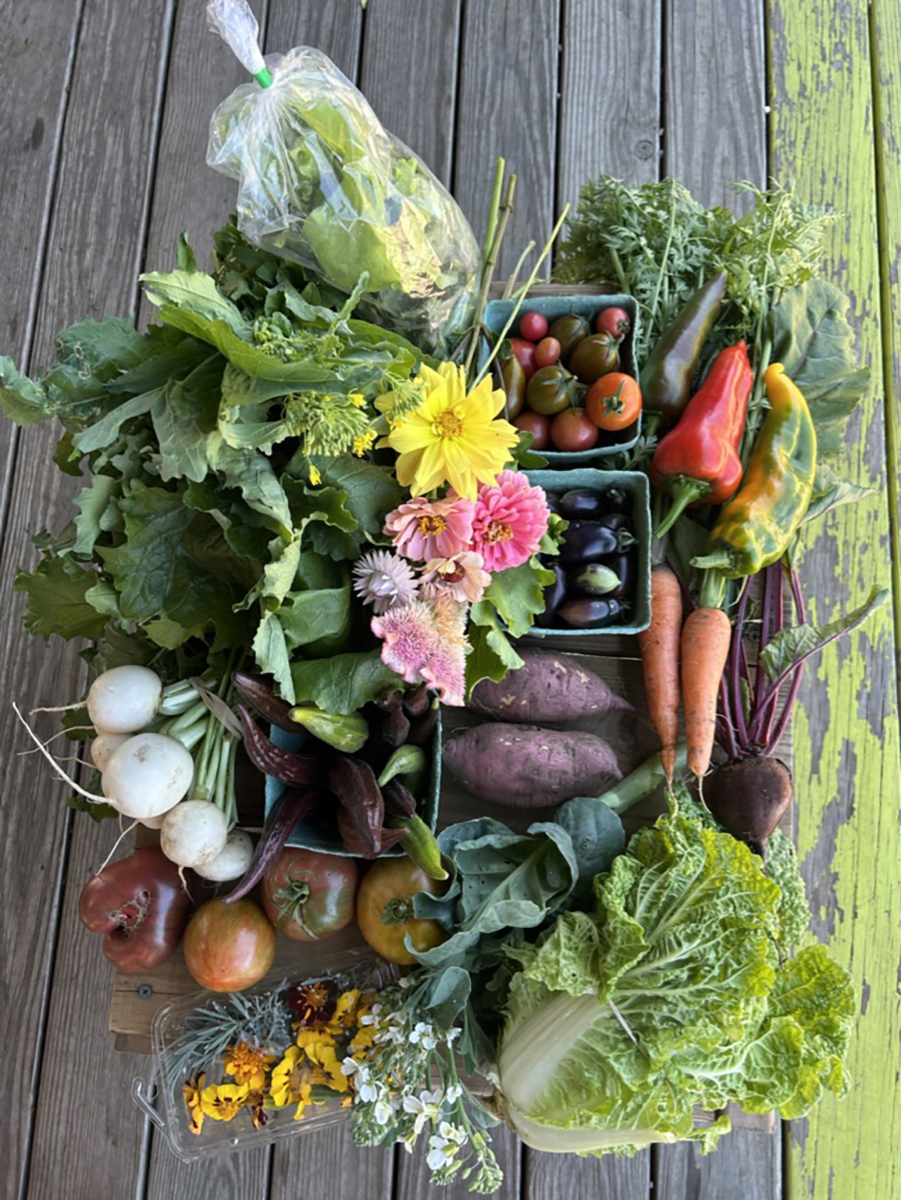
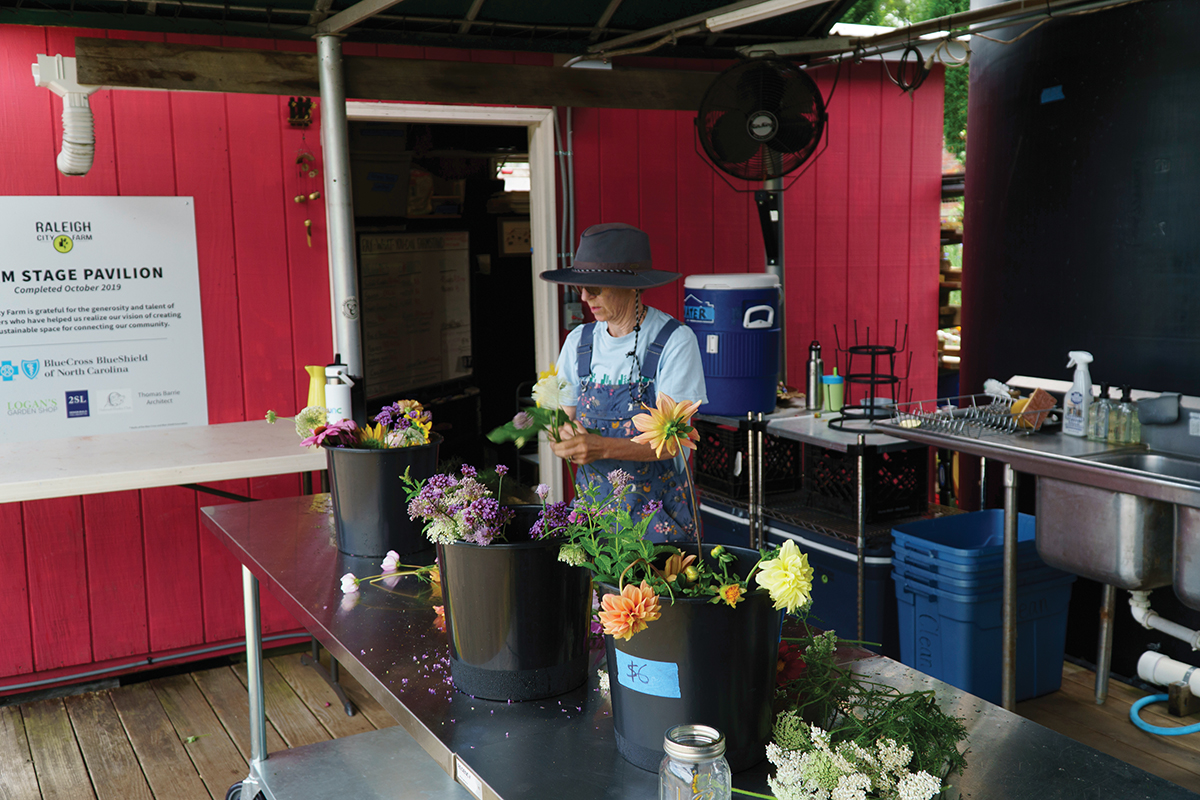
“Creating a network of small, urban farms is one of the best ways to build local food resilience,” says Williford. And with food insecurity and supermarket prices on the rise, RCF’s “resource abundance” is more important than ever before, she adds. “Farming for ourselves and our communities puts an incredible amount of power back in our hands, and when it comes to food, that’s exactly where it should be,” says Williford.
It all speaks to RCF’s central tenet of “environmental stewardship”— the responsibility of caring for local ecosystems through actions like waste reduction and resource conservation so that future generations can reap its benefits. “I think that’s the impact of RCF — creating meaningful connections to plants and food, and empowering everyday people to engage in the process,” says Williford.

This article originally appeared in the April 2026 issue of WALTER magazine.