
For the chef and co-owner of Ajja and Big Cat, these plants aren’t just a garnish — they’re an essential ingredient, especially in summer
As told to Ayn-Monique Klahre | photographs by Malcolm Little
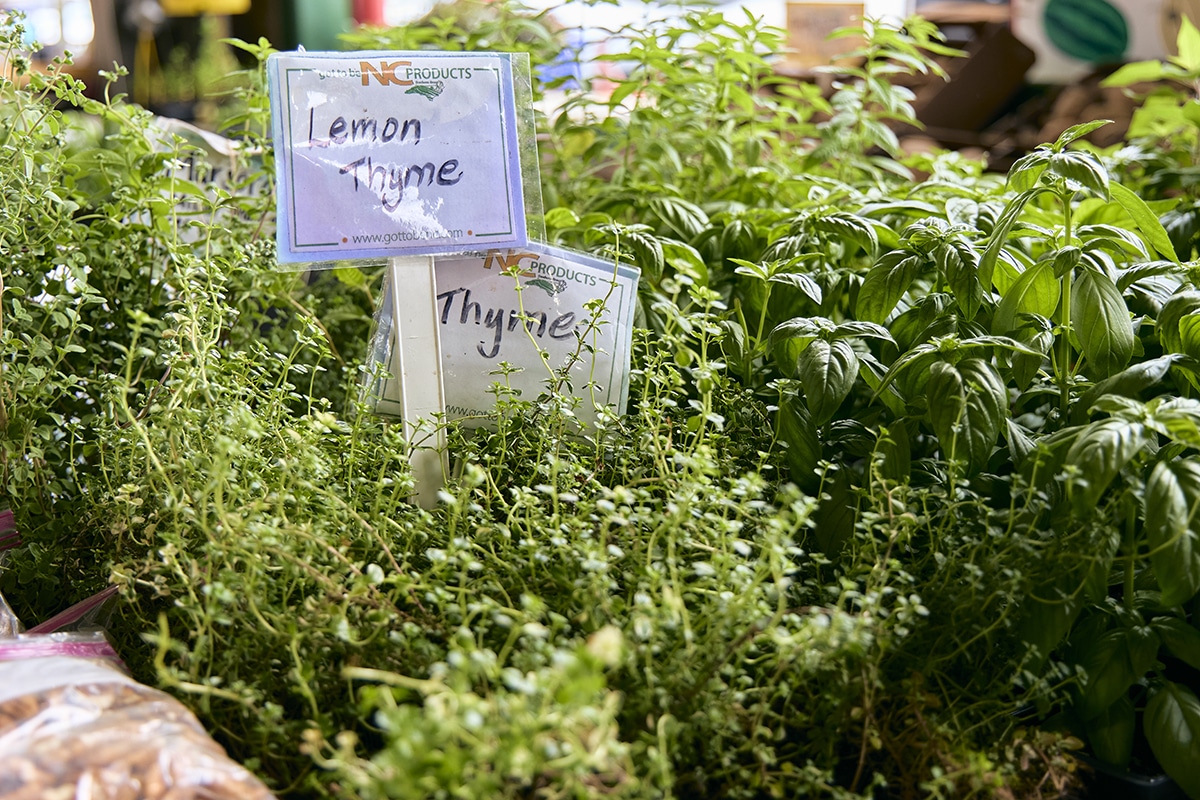
Come summertime, you hear a lot about tomatoes and peaches — but don’t forget to stock up on the season’s unsung culinary hero: herbs. Cheetie Kumar, the chef and co-owner of Ajja and Big Cat, is a huge fan of these plants because they can bring out acidic notes, sweetness or spice in a more subtle way than traditional spices. And in summertime, when it’s too hot to turn on the oven, they’re all you need to jazz up fresh produce and experience it in a new way. Below, Kumar shares her tips on transforming herbs from a garnish to an essential ingredient, plus a few unusual ones to add to your kitchen.
What’s your stance on herbs, generally?
My herb philosophy — especially with Ajja, for this style of food — is to use herbs not like a garnish, but as an ingredient. They’re beautiful and add a lot of visual appeal. We have so many combinations of herbs that work in tandem, like parsley, dill and tarragon, or parsley, mint and dill. We actually use a lot of dill — that’s one of my unsung heroes.
What do herbs do for a dish that other seasonings don’t?
You can take a dish — something that is just kind of fine, it’s good enough — and elevate it into something that’s a flavor party. You can use an herb to bring out the acidic notes in something, or the sweetness in something, or highlight the littlest note of spice in a fish — it’s a way to bring out a flavor without having it hit you over the head. It rounds out the complexity of things and adds a textural element, too.
Can you tell me more about that?
For example, we’ll put a lot of herbs on top of a dish. When you take a bite, that’s the first thing you taste, and then the flavor unfolds from there. I love it when a dish dances in your mouth, it has movement — it’s like a song with a beginning, middle and end. What you start with is not what you’re left with, and it makes you want to eat more. Our intention with using a lot of herbs is to add another note that’s fresh and clean and bright.
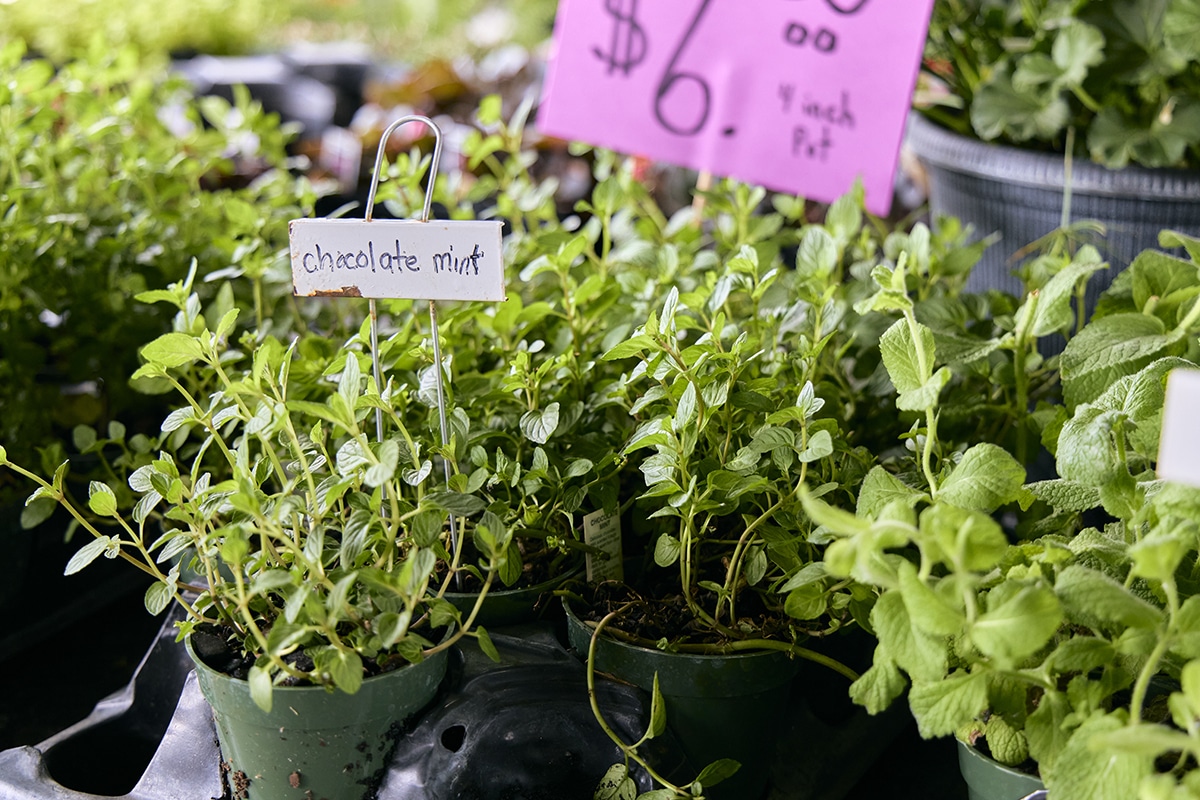
What is your advice for home cooks about using herbs?
So a big reason why home cooks don’t use herbs as much is honestly not the cook’s fault. It’s that most people can only find herbs in those horrendous, tiny clamshells for like, $2.50 or $3 for half an ounce. Nothing enrages me more! On principal, I will not buy those — you think I only need three tiny leaves? That’s bull!
Herbs should be sold in bulk — at the restaurants, we buy ours by the pound or the case. We get a huge supply, we do not approach herbs from a scarcity mindset. I mean, give me a bowl full of citrus, a refrigerator full of herbs, I feel wealthy!
So where can home cooks get herbs in these larger quantities?
I can always find them at the Asian and Latin markets. Of the grocery stores, Wegmans and Whole Foods have more than just clamshells. And the NC State Farmers Market! Ronnie Moore’s stand in particular always has a lot of herbs.
I remember you had a dish at Ajja that was all herbs…
Yes, the kuku sabzi! We don’t have it at the moment, but I loved that. The dish treats herbs like a green vegetable.
How do you like to use herbs in home cooking?
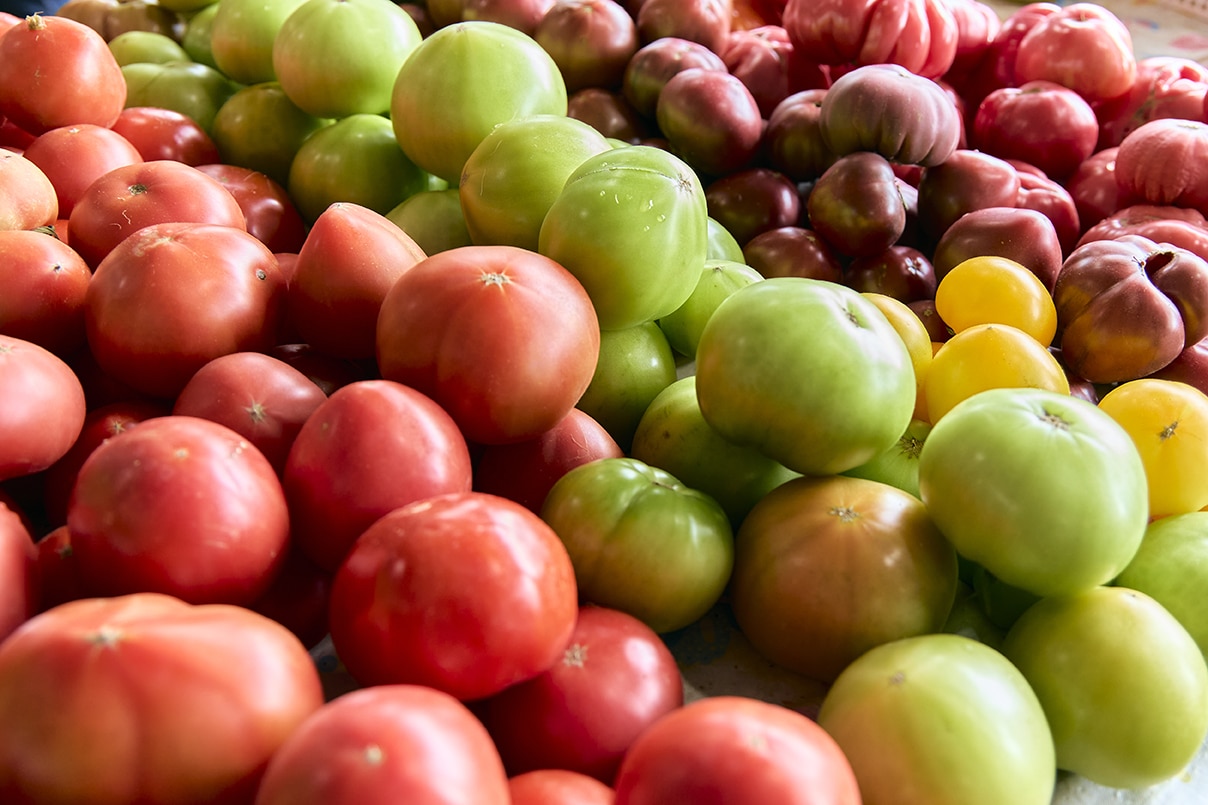
Especially in the warmer months, soft herbs are such a great helper. The less you have to cook in the summer, the better! They’re really good on anything. Basil and tomatoes are great together, but I also like to have basil on my peaches. While I’m thinking of tomatoes — my favorite thing to make is to cut up cherry or grape tomatoes, add a little bit of not-super-acidic vinegar or verjus, some olive oil, mint and basil, a little toasted black pepper. Then I’ll have that for breakfast, lunch or dinner. I put it on toast with a little salted butter for breakfast, or as a side vegetable for lunch.
I also like to put herbs on desserts — and more than just a mint leaf for garnish!
What are some lesser-known herbs you like to use?
I love anise hyssop. It’s really sweet like licorice, but not so dark. It hits you with a pop of flavor and then goes away. I love it with strawberries or creamy things. I also love bronze fennel. It’s similar to the fennel that you’re used to, but it produces more of the hairy top and less of the root. I love it on all summer produce.
I also love it when coriander goes to seed — those green coriander seeds are so delicious, they’re bright and fresh. I also love purslane, it’s almost like a succulent — it’s got this juicy leaf that has an earthy but fresh flavor profile. It’s often used in Mexican and Middle Eastern food. I like to make salads out of purslane.
Where do you find these herbs?
At the farmers market, Ronnie Moore and Burkett Farm have bronze fennel. We get our anise hyssop from Burkett Farm, they’re a regenerative farm that donates a lot of their produce to InterFaith Food Shuttle. They do a lot of great educational programming. But anise hyssop is kind of catching on, so you might find it at the farmers market. Purslane, you can find at the Latino and Middle Eastern markets, and it’s coming into season right now.

This article was originally published on waltermagazine.com on May 28, 2026.

Pingback: What to Do in June 2026 In and Around Raleigh - WALTER Magazine