This month, change up your thinking about managing bugs, embracing beneficial plants and creating a balanced, thriving backyard ecosystem
by Helen Yoest
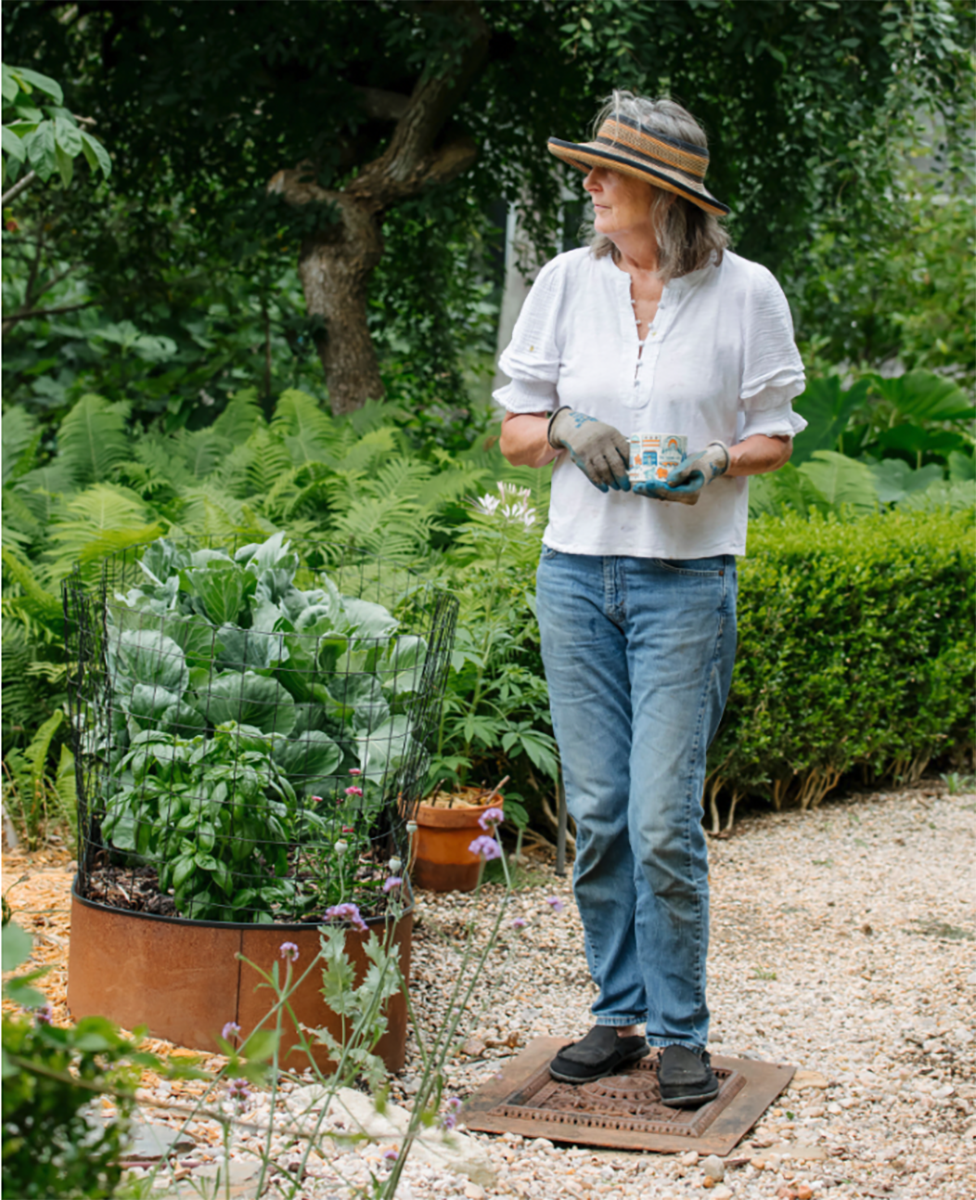
Hopefully, we will soon experience our last frost of the spring! Typically, this arrives around April 15. It varies, though, depending on where you are in Raleigh. I live inside the beltline, where the last frost can come earlier due to radiant heat from a concentration of asphalt and concrete absorbing more of the sun’s rays than more rural areas, a phenomenon known as the urban heat island effect. But it’s still best to check the long-range forecast.
Over the years, I’ve had to learn to practice patience with one too many frost burns on my tomato plants and impatiens. I encourage you to learn from my mistakes! Plant tender flowering annuals like cosmos, lantana, zinnias and coleus, along with vegetables like cucumbers, okra and tomatoes, only after that last threat of frost.
Near the vegetables, go ahead and add some vibrant yellow and orange marigolds. They act as a natural pest control for aphids, nematodes and whiteflies, while also attracting beneficial insects like ladybugs, lacewings and parasitic wasps with their scent. To repel unwelcome insects, like spider mites, I love to make my own repellent spray. I’ll crush marigold petals and leaves and soak them in water for at least 24 hours or up to seven days and then strain the liquid and store it in a spray bottle.
I also use an organic neem oil or insecticidal soap at times. Just know what you are spraying: each of these organic sprays can kill beneficial insects, too, including monarch butterflies and other butterflies, so use it only when you notice a problem.
They say April showers bring May flowers, but of course that also includes spring weeds! Common in our area are chickweed, henbit and dandelions. As a child, one of my jobs was mowing the lawn and removing any “evil dandelions” (my Dad’s words, not mine!) — but did you know each of these are edible and are rich in essential nutrients? As a bonus, each significantly benefits wildlife, especially birds. Today, I leave dandelions on the lawn and encourage you to do the same. Welcome what spring brings, weeds and all.

This article originally appeared in the April 2026 issue of WALTER magazine.