This month, assess your yard with an eye towards making it easy to care for in the coming years.
by Helen Yoest
Cupid struck me again! I will keep my husband for another year — this month makes 38. (I would commit for longer, but he doesn’t help me in the garden.) In the early stages of my gardening journey, I happily took on high-maintenance projects, but as time passed, kids, work, caring for elderly parents and my own aches and pains have made it harder to prioritize. But I won’t give up! Here are a few ways to garden smarter, not harder.
Swap in the Right Shrubs
If you have to prune your shrubs to fit your space, then they are planted in the wrong place. (Unless it’s a shrub designed for annual pruning, such as boxwood hedge.) Dwarf varieties of shrubs can offer year-round interest in your yard and feed the wildlife, even with limited space. For full sun or part shade, try native dwarf yaupon holly, viburnum or fothergilla. For total shade, I like distylium, sweetbox or poet’s laurel.
Plant Low-Maintenance Ground Covers
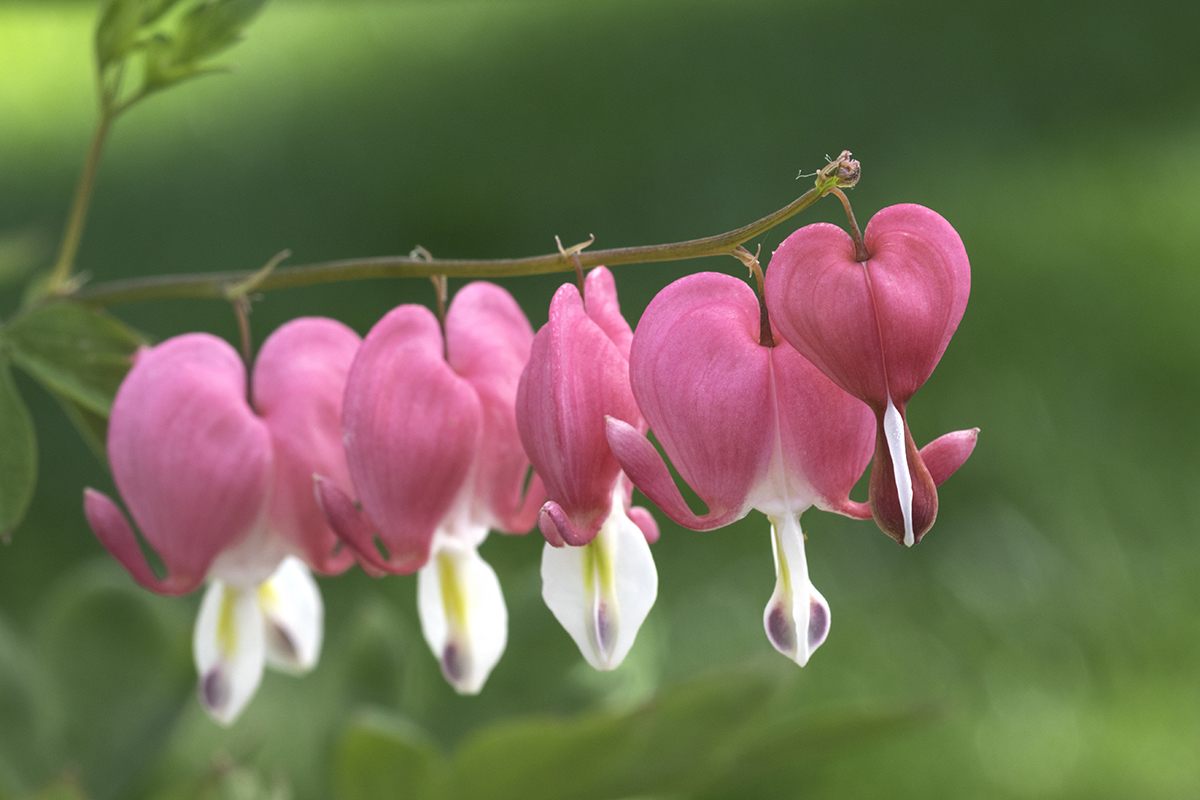
Ground covers can serve as a living mulch and add a green layer of life year-round. For the sun, consider creeping juniper, creeping raspberry or sedum succulents like Hens and Chicks, a drought-hardy, cold-tolerant perennial. For shade — and in honor of Valentine’s Day — consider bleeding hearts (named so for its heart-shaped flowers) or epimediums or wild ginger, which both have heart-shaped leaves.
Add no-fuss Ephemerals
I love finding late-winter ephemerals — the wildflowers that bloom first in our landscapes — for they offer a glimpse of forthcoming spring. Most are shade-loving and prefer moist woodland settings, such as bloodroot and hepatica. For sun, my favorites are Galanthus, crocus and daffodil “February Gold.” This month, you can also plant trout lily bulbs, another favorite ephemeral, which will bloom early spring.

This article originally appeared in the February 2026 issue of WALTER magazine.