…and why this durable material has lasting appeal
By WALTER staff | in partnership with Carolina Custom Kitchen & Bath
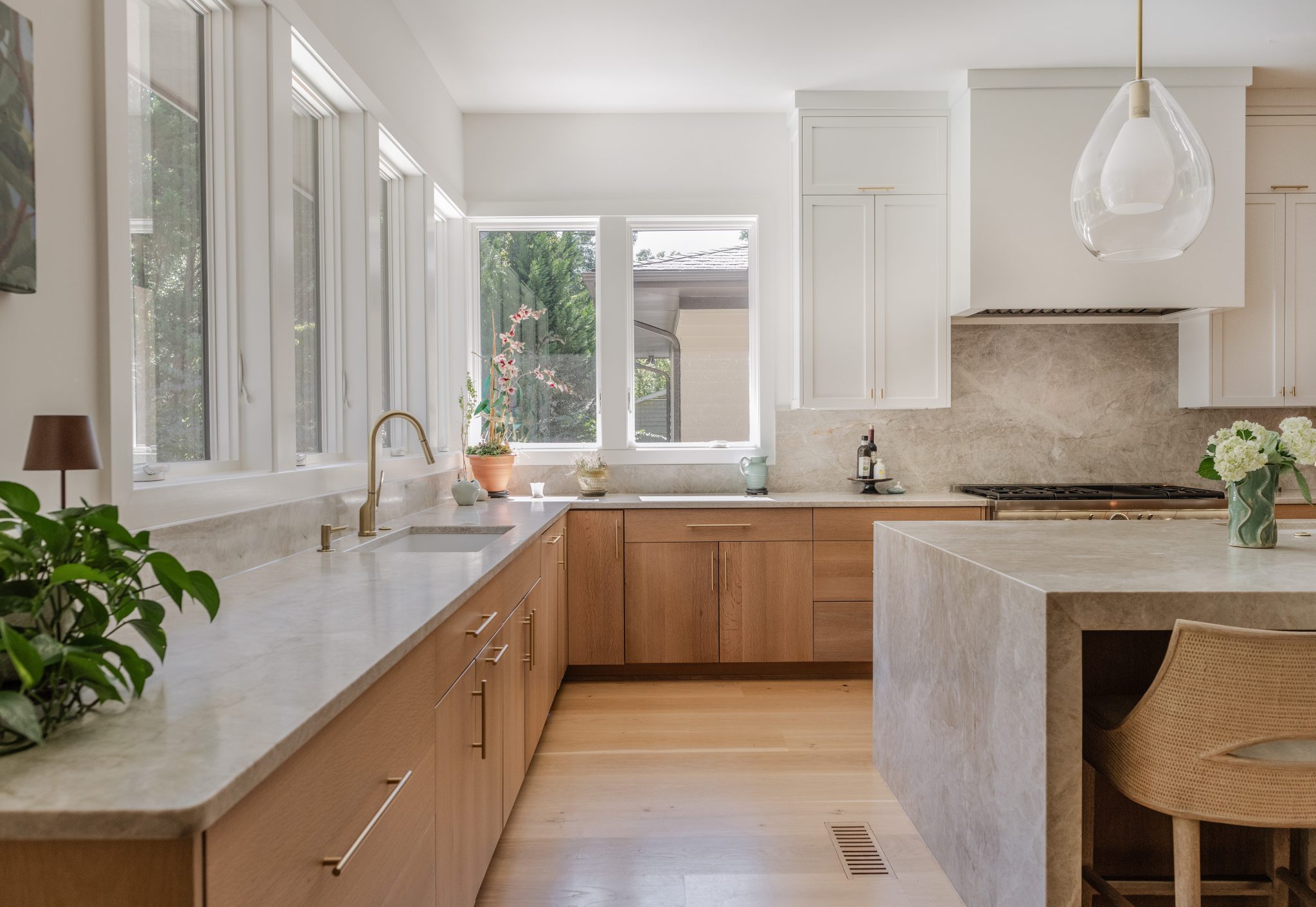
In many North Carolina homes, good design is less about making a statement and more about creating spaces that feel comfortable, welcoming and built to last. Stone surfaces play an important role in both the way a space looks and how it functions. This durable material stands up to water, heat and the wear that comes from frequent use in a way few other materials can replicate. It also brings natural beauty into homes in a way that feels both familiar and grounding.
That said, if you’ve never done a home remodel — or it’s been a while — the process of choosing stone can be a bit daunting. The pros at Carolina Custom Kitchen & Bath break it down for us.
What’s the appeal of stone?
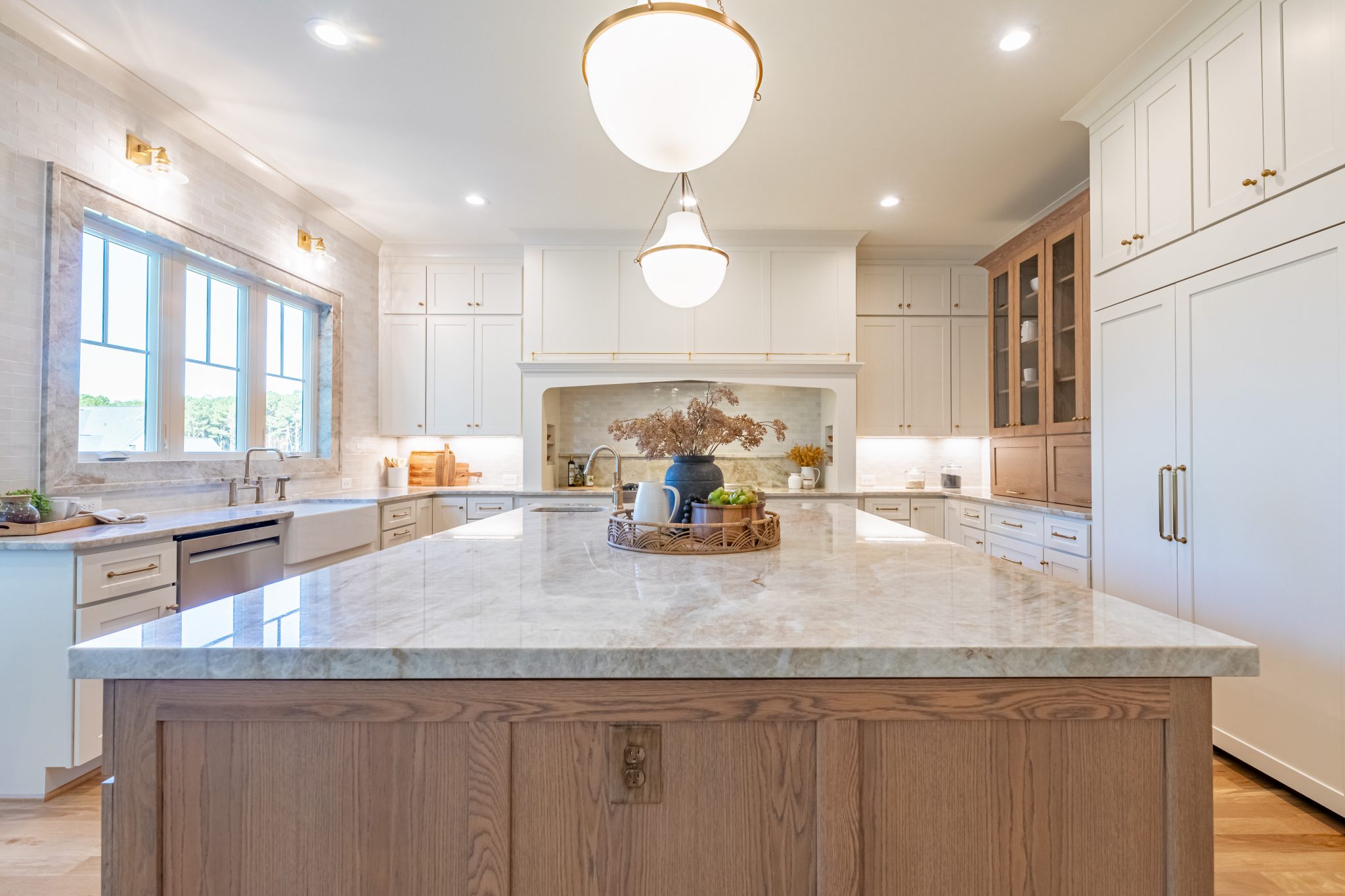
What draws people to stone surfaces is their character. The natural movement and variations in color, especially in the direction and density of the veining, give each piece a sense of depth. Within that, there are options for high-drama stone — with strong, high-contrast veining, for example — or stone with a more subtle effect.
“When we say ‘color,’ we don’t necessarily mean your standard colors, such as black, brown or tan,” says marketing manager Hmon Ksor. “In the surface industry, colors refer to the name of the stone.” With natural stone and man-made materials like quartz, the color of the stone is never one flat hue, but it could be a material with very little veining or variation, like quartz. A Pure White quartz will appear to have a crisp white hue, but upon closer look, it contains small and subtle light grey pixels that add depth.
Some of the most popular natural stone colors for interiors include Taj Mahal Quartzite (warm and beige), Carrara Marble (cool, light and grey) and Soapstone (dark with light veining). For outdoors, Negresco and Steel Grey Granite are common. (Note that the ideal stone for outdoors should be resistant to UV rays so that your countertops do not fall victim to fading and sun damage.) For man-made materials, Eternal Calacatta Gold by Silestone and Pure White are popular. And several quartz brands have colors similar to natural stone, like Cosentino’s Tajnar, a color that is part of their new product line, Eclos. The good news is that trends move slowly in stone preferences, so something you love right now will feel just as relevant for decades.
How do you choose the right stone for your space?
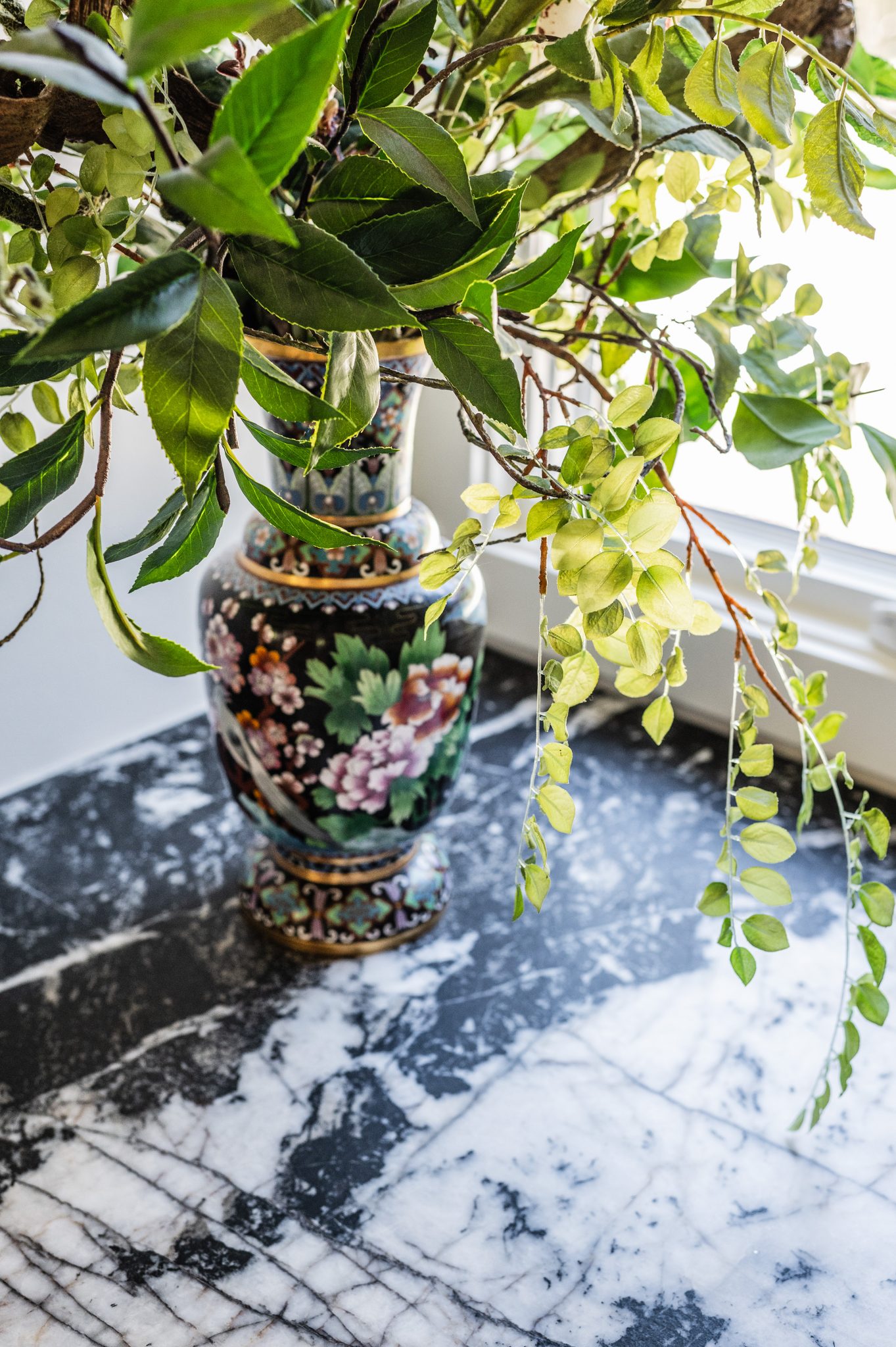
Choosing the right stone often starts with thinking about how a space is used. A well-loved kitchen may call for something durable and forgiving, like Pure White quartz, while a spa-like bath might benefit from a softer, more refined look like Carrara Marble. The less porous the stone, the more forgiving — marble needs to be sealed every six months to a year, depending on what type of marble it is.
Another factor in stone’s durability is how it is finished and installed. Work with a designer or showroom manager to make decisions about edges, finishes and seams, all with an eye toward balance, longevity and ease of use. These details may not stand out at first glance, but they quietly shape the experience of a space.
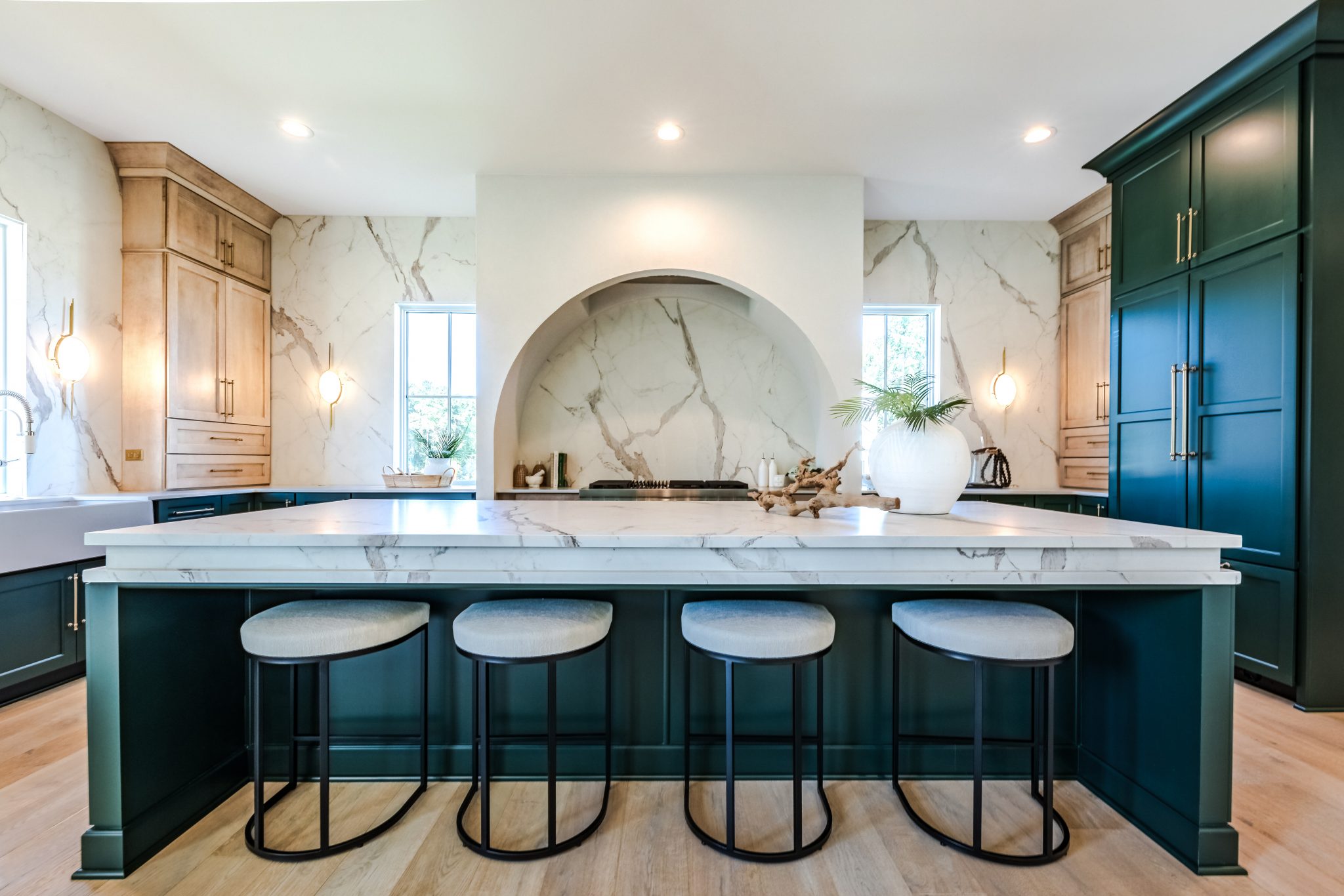
When it comes to edges, for example, you might choose an option with a more rounded edge, like a half or full bullnose, if you have a household with younger children, rather than one with crisp, sharp corners. A leathered finish can soften the feel of stone and reflect light more gently, but it can also help hide fingerprints and minor scratches. A honed finish isn’t as forgiving. Clean, simple edges add comfort and durability without calling attention to themselves, while a complicated or protruding edge is more likely to get struck and possibly chip. That said, it is common in the luxury market to add some flair to the edges. A big trend in that market is stacked or laminated edges — this typically looks like a custom 2- to 3-inch edge profile.
Well-placed seams allow the material’s natural pattern to flow uninterrupted. If a piece needs to have a seam due to the size, they are intentionally placed with aesthetics in mind — having a natural stone with a lot of bold veining, like Calacatta Viola, with a seam that ignores the veining would create an unfavorable visual break.
When fabricated and installed with care, stone is built to handle all the wear of daily life — cooking daily meals, sharing long conversations over drinks, cleaning up the inevitable messes from kids and pets. Reinforced cutouts, supported overhangs and careful finishing all help ensure that stone surfaces hold up over time.
In homes throughout the Triangle, stone remains a trusted choice not because it follows trends, but because it lasts — settling into a space as you grow with it.

This article was originally published on June 9, 2026.