With her new album, Sugar, and The Gables hotel opening this summer, the award-winning musician is embracing this next chapter
by David Menconi | photography by Matt Ramey
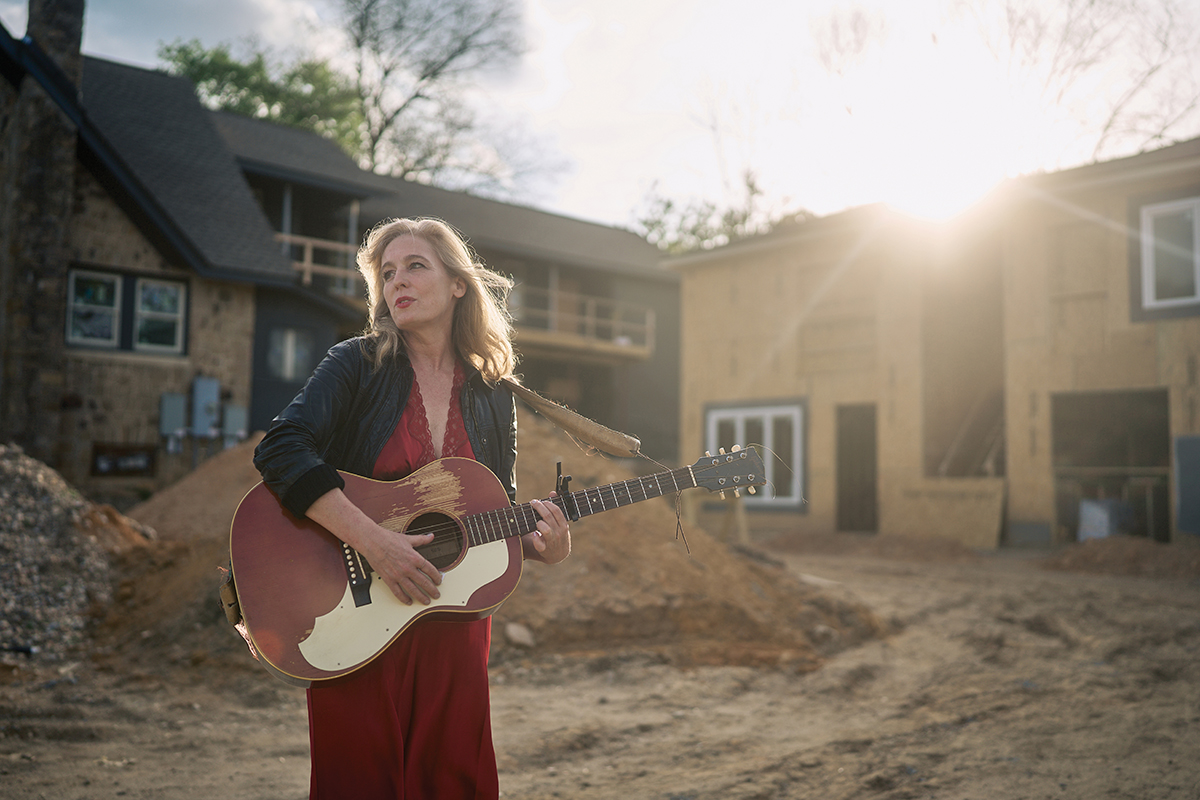
In 2018, Tift Merritt’s musical career was at a low ebb. She was back in her Raleigh hometown after a decade in New York City, a single parent trying to figure out what to do next. Despite acclaim, including a Grammy nomination, none of her albums had broken through commercially. And taking her toddler daughter Jean on tour only convinced her that the endless road grind wouldn’t be sustainable for either of them.
“Moving back here was not a victory lap or glamorous dream,” Merritt says now. “I just knew I could not keep dragging this child around — she needed roots like I’d had growing up. But I really thought it was the end of my career. I didn’t know what I’d do. Maybe get a bartending job.”
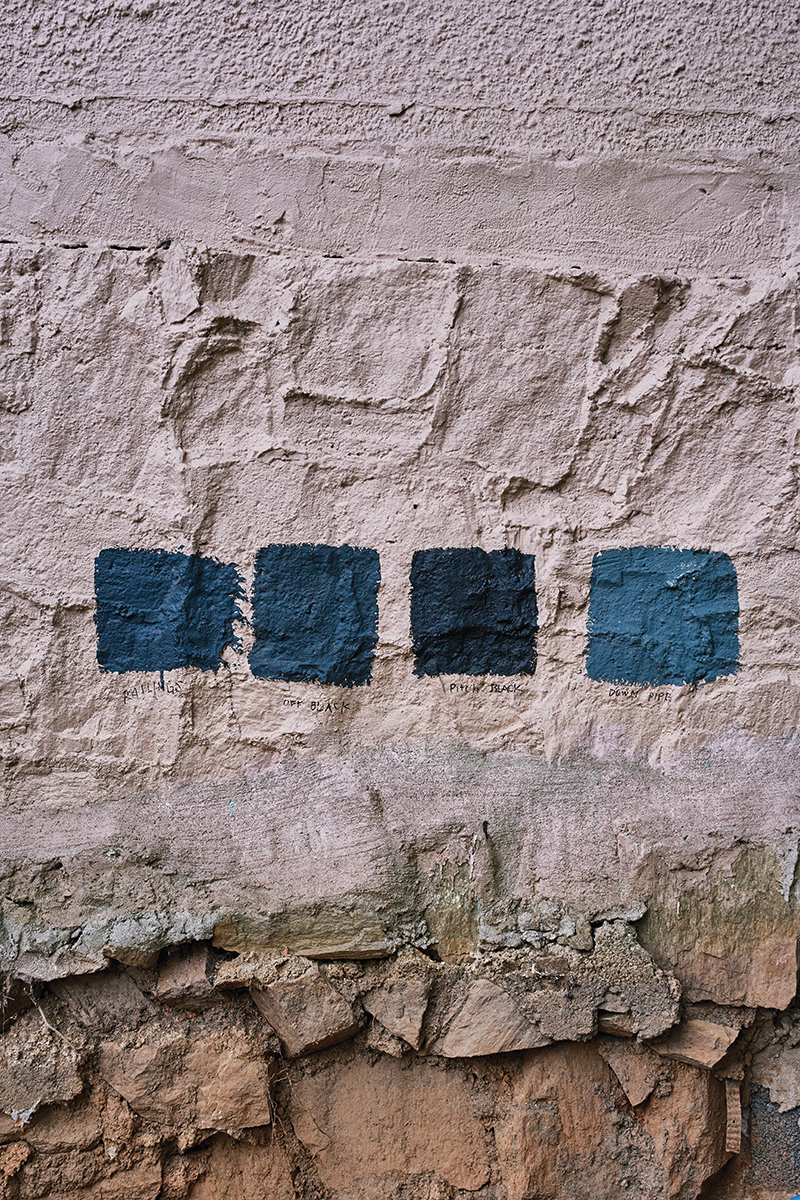
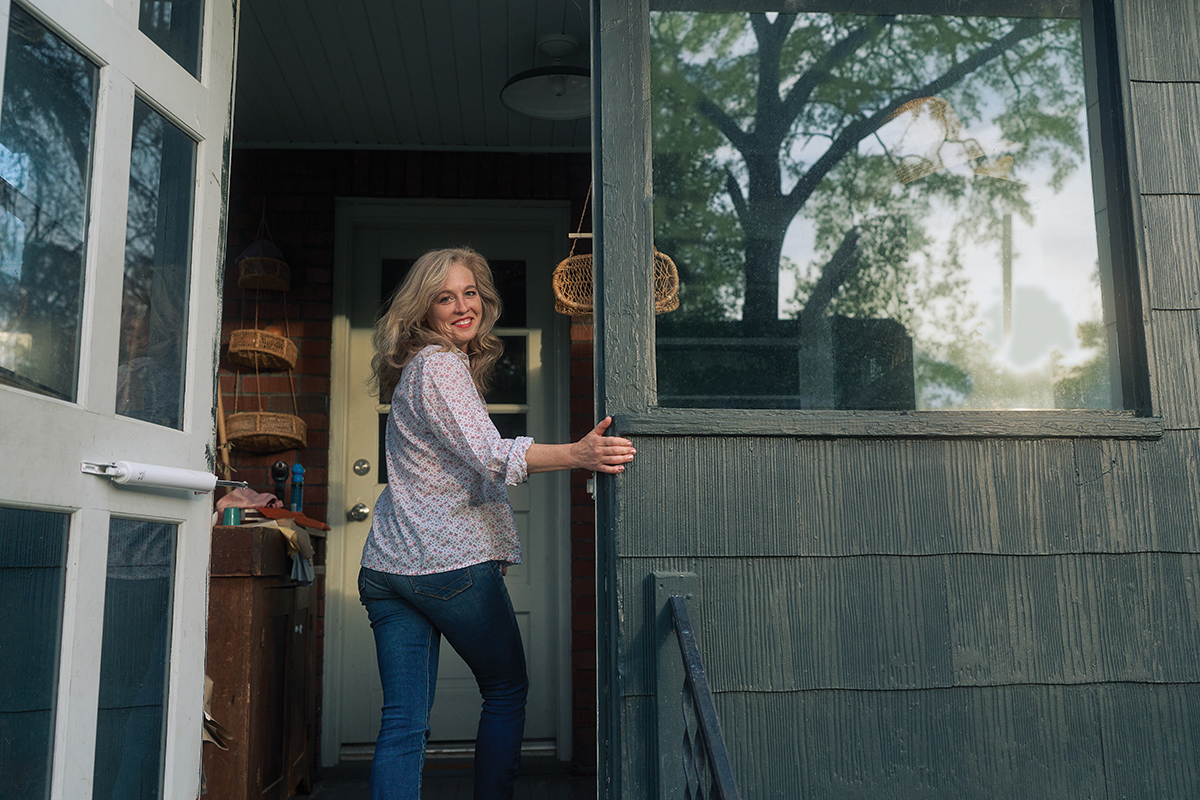
That was around the time a friend sent Merritt a real estate listing for the Gables Motor Lodge on Old Wake Forest Road. She’d been riding by it for most of her life, thinking it looked like the sort of place beatniks might hang around on their Kerouacian journeys. But in 2018 it was vacant, in a state of disrepair and for sale at a greatly reduced price. So she went for it.
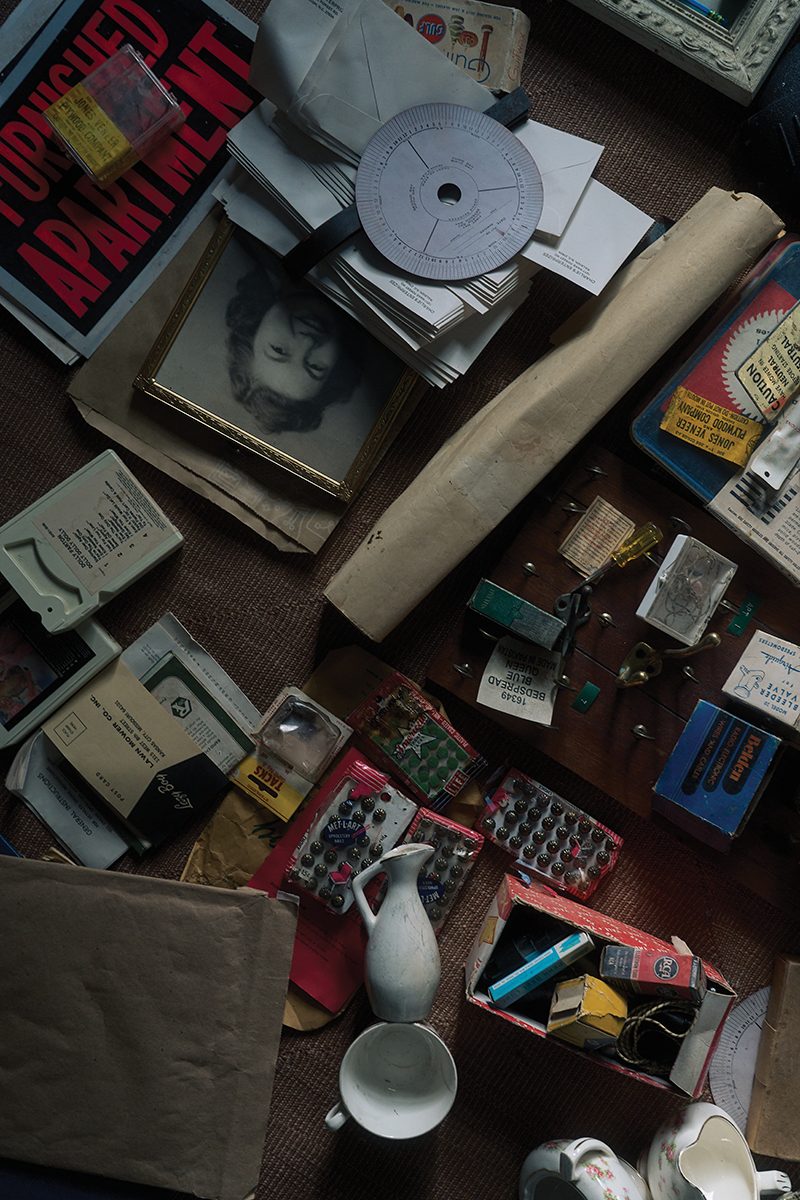
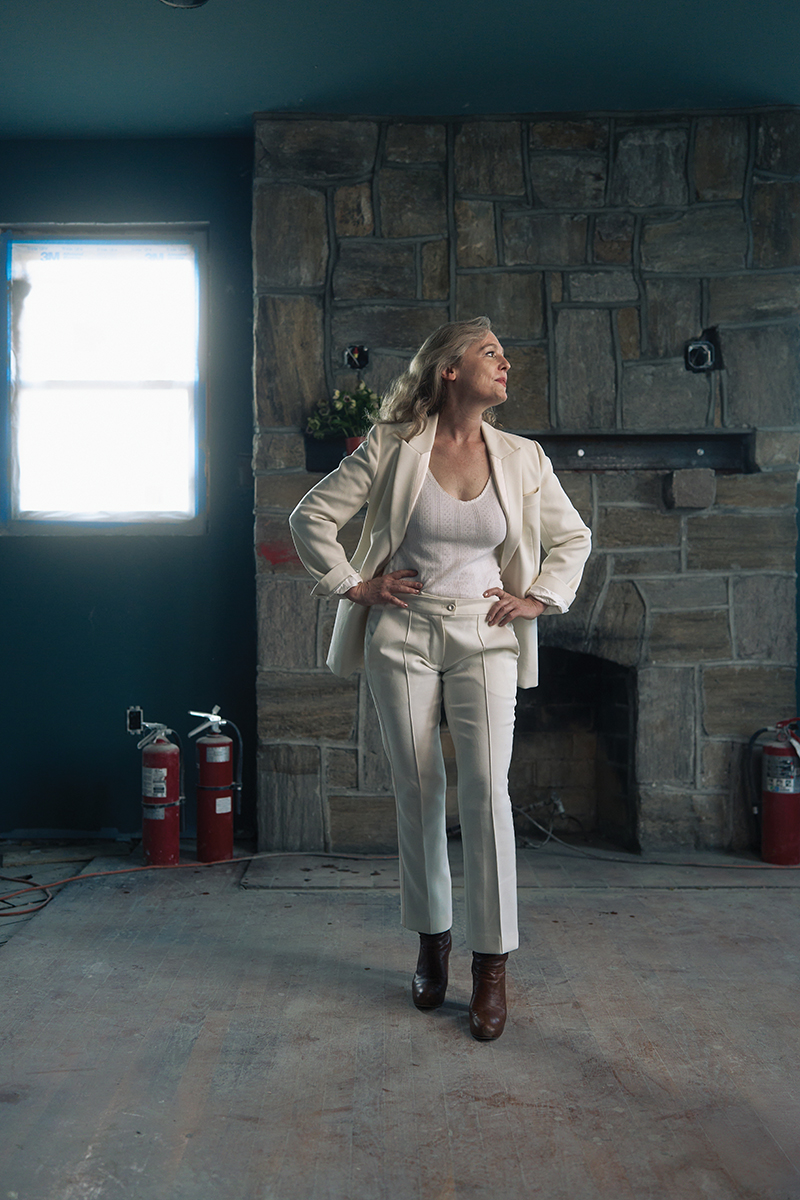
Eight years, one pandemic and an ambitious restoration project later, Gables is set to reopen in July with Merritt as co-proprietor. Asked if she’s ever been an innkeeper before, she laughs.
“No,” she says, “but I do throw a mean dinner party.”
Merritt and her Gables partner, hotelier Daniel Robinson, envision it as a dinner-party kind of place. Billed as an 18-room “travelers retreat,” Gables will be as much a bohemian enclave for the artistically inclined to gather as a place to rent a room.
“We don’t want Gables to be pigeonholed as ‘Tift’s Rock and Roll Hotel,’” says Robinson, whose other area properties include the Durham Hotel. “But anyone who knows Tift will be able to see and feel her involvement as soon as they walk in. In many ways, she’ll be the spiritual voice of the place.”
Gables’ reopening also coincides with the release of Sugar, Merritt’s first new album since 2017’s Stitch of the World. And where her previous albums all had plenty of emotional content, Sugar might be the most overtly personal record she’s ever made. Various interpersonal difficulties (including a divorce during her New York years) provided ample real-life inspiration.
“At one point while I was making this record, my manager Holly (Lowman) told me in so many words,You need to have your story as a woman out there because it’s important,” Merritt says. “As you get older, maybe you have less and less reason to hide what you want to say. This record feels very personal. I mean, they all felt that way at the time. But this one feels more grown-up. More vulnerable.”
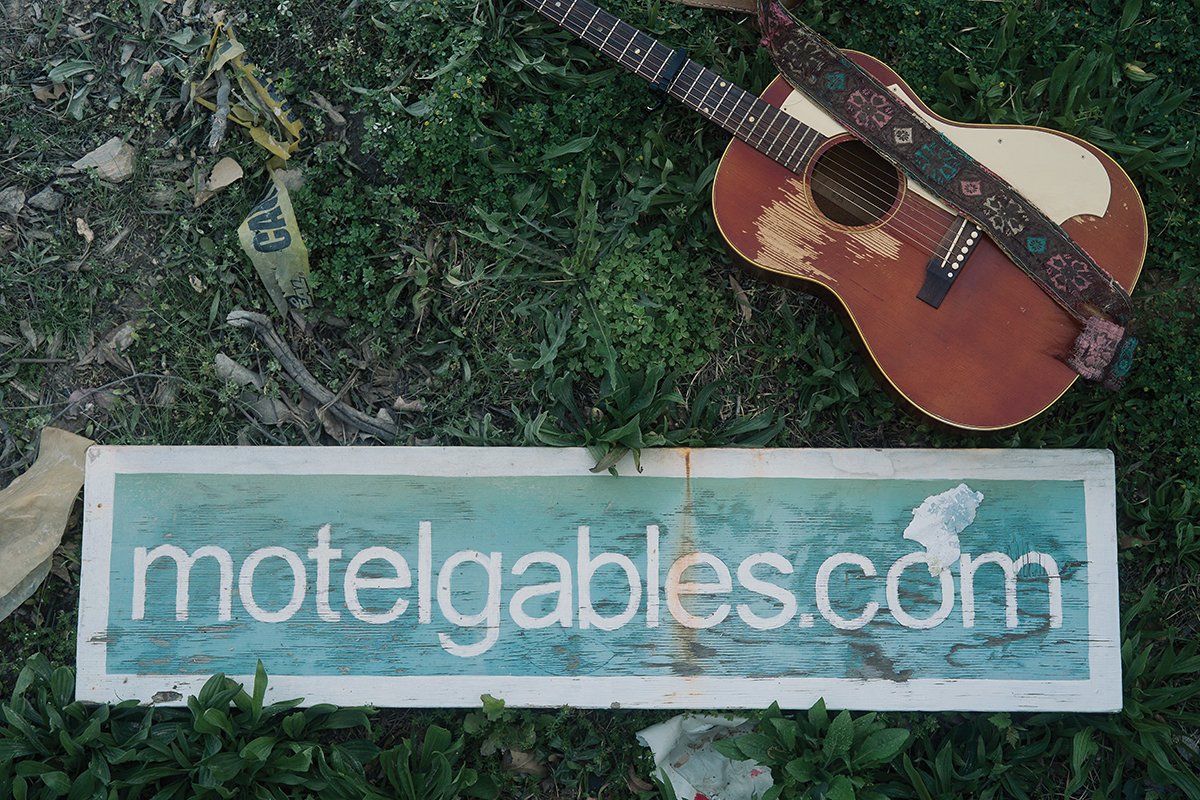
Merritt’s favorite role has always been collaborator rather than solo act. She first emerged in the late 1990s while attending the University of North Carolina at Chapel Hill, playing country music in Tift Merritt and the Carbines. But music was hardly her sole pursuit. Merritt has done everything from photography exhibits to hosting a public-radio interview show over the years. Along with working at Duke University as Practitioner-in-Residence, she’s also an activist with Artist Rights Alliance and North Carolina Music Love Army.
“Where I’ve always belonged,” she says, “is some nexus between folk singers, archivists and public-policy people.”
Musically, Merritt has recorded with a wide range of artists including Americana stars Iron & Wine and Hiss Golden Messenger, as well as the classical pianist Simone Dinnerstein. Classical remains an ongoing pursuit. Around the time the Gables purchase closed in 2018, Merritt began working with North Carolina State University’s director of orchestral studies, Peter Askim, on an ambitious symphonic song cycle about the history of Dorothea Dix Park. Named after an escape attempt during Dix’s time as a psychiatric hospital, The Other Side of Hungry River tells its story going back to when the property was a slave plantation.
Raleigh Civic Symphony was to debut a work-in-progress version of Hungry River in 2020, but the pandemic scuttled it. The shutdown put the Gables restoration on hold, too.
“We were lucky with Gables to be early enough in the process that we could just wait it out,” Merritt says. “But people stopped asking me about it because they thought I’d cry. They weren’t wrong.”

By last year, work on Gables finally started up. Hungry River has since come back, too. Merritt finally played that work-in-progress premiere this past March with the Wilmington Symphony Orchestra, conducted by Askim.
A few Hungry River songs also found their way onto Sugar. The a cappella chant “Fate of Man Is Sarah’s Eyes” is based on a 1919 description of the sewing room at Dix Hospital, and “Mad, Mad World” describes the facility as “a haunted spot where they sent everybody they did not want… The shamed, the broken and the bad, bad seeds.”
On a more upbeat note, “Everyday Singing” might be the catchiest pop song Merritt has ever put into the world. That one is based on historical correspondence between activists 50 years ago. But the most attention-getting songs on Sugar sound like journal entries from Merritt’s own diary.
Loneliness is a recurrent theme on “Someone to Watch The Band With Me” and the put-up-or-shut-up anthems “Finest Feelings” and “Locks.” Then there’s “Generous,” which goes back to the feelings of Merritt’s divorce from Jonathan Lee “Zeke” Hutchins (who had also been her drummer going back to Carbines days). It’s as pointed a breakup song as anything by Taylor Swift.

“‘Generous’ is a song I’ve needed to write for a long, long time,” Merritt says. “You know, breaking up is hard to do. Disappointing, too. It’s not easy to be by yourself, especially for women in their 50s, and it doesn’t get any easier. That’s what haunts me. But I’m better for all of it and I do mean that. I would not trade a second of it. I’ve got Jean here and so many friends, real ones. So I’m not alone. It’s not lost on me how good life is here.”
Following two independent-label releases, Sugar will be Merrit’s first album with major-label distribution in 16 years. She’s eager to get back onstage, but returning to the music business on that scale brings some apprehension. Merritt spent over a decade touring endlessly in search of a hit, to no avail. Even a 2004 Grammy nomination wasn’t enough to get her over the hump.
“We drank a lot of champagne that night, then we got dropped,” Merritt summarizes with a laugh. “I was nervous about getting back into this, but singing is my most immediate way to put love into the world. Making this record reminded me that I have a lot more left to say. It’s important to say what it feels to be messy, open and human right now, especially for women. I’ve learned that there are gatekeepers and soul partners, and you should not mix the two up. Right now I’m not talking to the gatekeepers. I’m really proud of this one and excited for whatever comes next.”
A recent afternoon finds Merritt showing off the Gables construction site to a visitor, pointing out cool features from the original structure that they’ve been able to preserve. Given how many local landmarks have fallen to the wrecking ball of gentrification, she’s proud to be a part of keeping this one going.
While Merritt has jokingly called herself Gables’ “mascot,” it’s not yet clear what her day-to-day role there will be. You probably won’t see her behind the check-in desk, but you might well bump into her in the bar or coffee shop.
“I hope to positively influence the cultural experience there,” Merritt says. “It will be an amazing space for me to have some creative gatherings, but it’s not a place where I picture myself singing. I’d love to have bands come in to record in the lobby, or songwriters to come write and talk. We’re all so siloed, it’s important to come together. And we’ll have a coffee shop open all day long where you can do that.”

This article originally appeared in the June 2026 issue of WALTER magazine.