Jay and Kim Yourch grow plants from both the coastal plain and mountain regions of North Carolina in their North Hills garden
by Helen Yoest | photography by Liz Condo
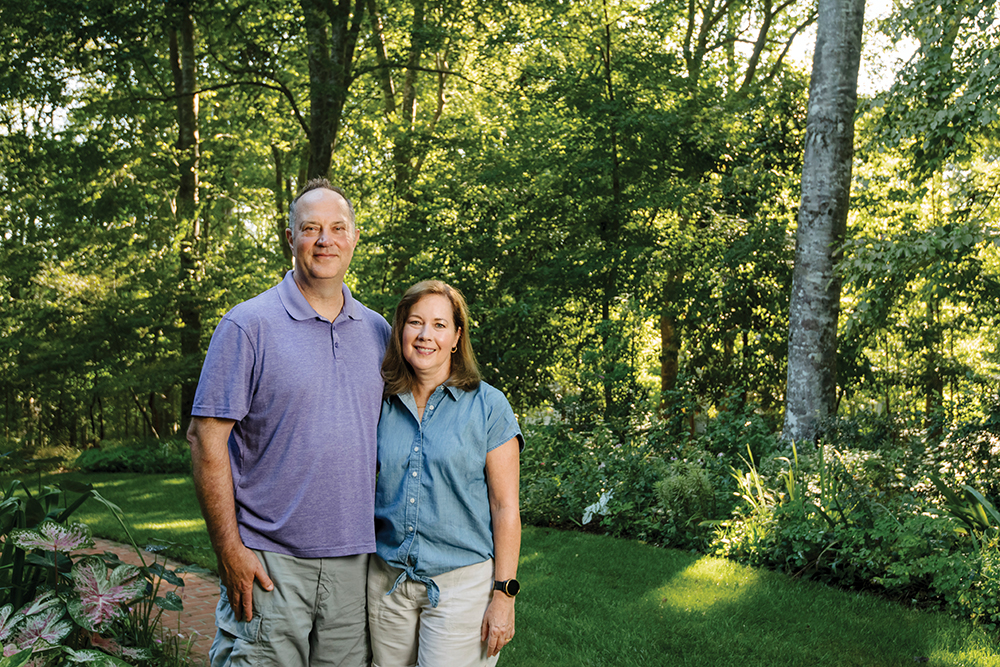
The garden of Jay and Kim Yourch is lush and welcoming, nestled into the quiet North Raleigh neighborhood of Hawthorne. As one looks around, it becomes apparent that gifted plant people live there.
Kim grew up in a family of serious gardeners, starting with her parents, who had a small vegetable garden, a strawberry patch and raspberries that she would help harvest and weed. Her father had grown up on a farm, and each summer, Kim spent a week or more with her grandparents. “They had a huge garden with perfect, alternating rows of vegetables and flowering bulbs,” she says. “I remember picking green beans, shelling peas and husking corn.” One fall, Kim’s grandfather sent her home with paper bags filled with bulbs to plant the next spring, including dahlias, cannas and gladiolus.
“He told me how to store them and when to plant them,” she says. From that point, Kim was hooked on growing flowers — zinnias from seed, along with other annuals and the bulbs, which she dug up and stored every fall until she went to college.

Jay did not garden growing up, but his family did. “My mom grew tomatoes and zinnias, and my maternal grandfather had an ornamental garden of shrubs, small trees and perennials,” he says. Their home garden also had a small pond, where, Jay says, “my favorite part was feeding the goldfish.” But in college, he was “bitten by the houseplant bug” after his grandfather rooted an aucuba and coleus for him.
After Kim and Jay married, they bought their first home in Raleigh, a new house on a small lot. “It was mostly grass, with a few builder-planted fast-growing trees like river birches and red maples,” says Jay. They knew they had much to learn about gardening, so they joined the Friends of the JC Raulston Arboretum and attended lectures. Through that programming, they learned garden techniques and which plants would do well.
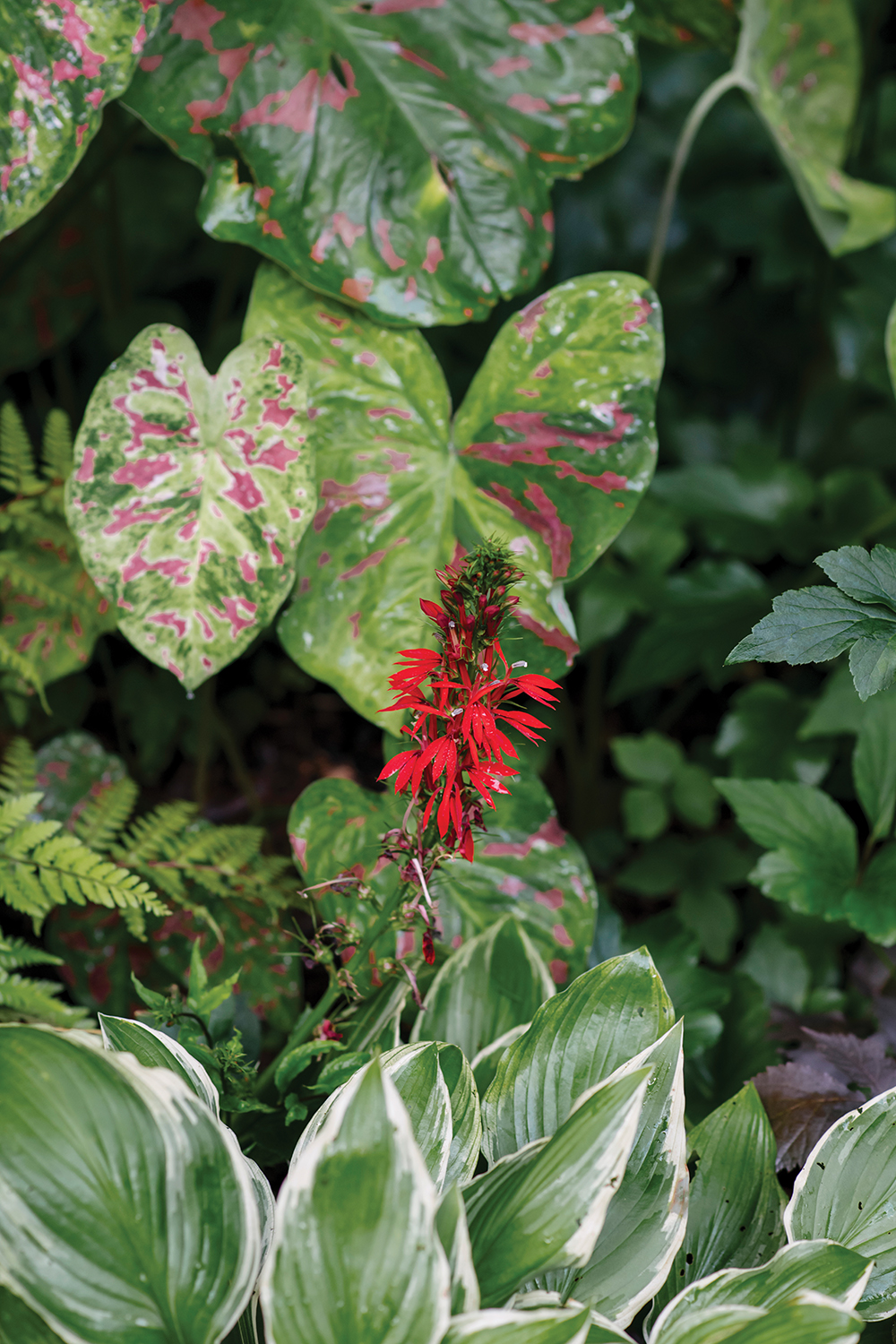
With that knowledge, Jay and Kim added Deodar cedar, tea olive and thorny elaeagnus as screening along the edges of the yard, then filled it in with small trees like eastern redbud, Kousa dogwood and Japanese snowbell. In a wet area in the back, they planted Japanese iris and other moisture-loving perennials like cardinal flower. “We also dug a small pond in the back, where we kept goldfish and grew water lilies and dwarf lotus,” says Jay.
They found they made a good gardening team. “Jay has always had a strong interest in woody plants, while I have mostly been interested in growing perennials, ferns and bulbs,” says Kim. “We enjoy working together in a space to create something beautiful.”
The couple bought the land for their current home in the spring of 1995. As soon as they removed a few trees, its name was revealed: Beech Grove, as the land was dominated by American beech. They started construction on their home five years later and they have lived there since 2001. From the start, Kim says, “we had a goal of ensuring there is something blooming year round — both for me and for the pollinators.”
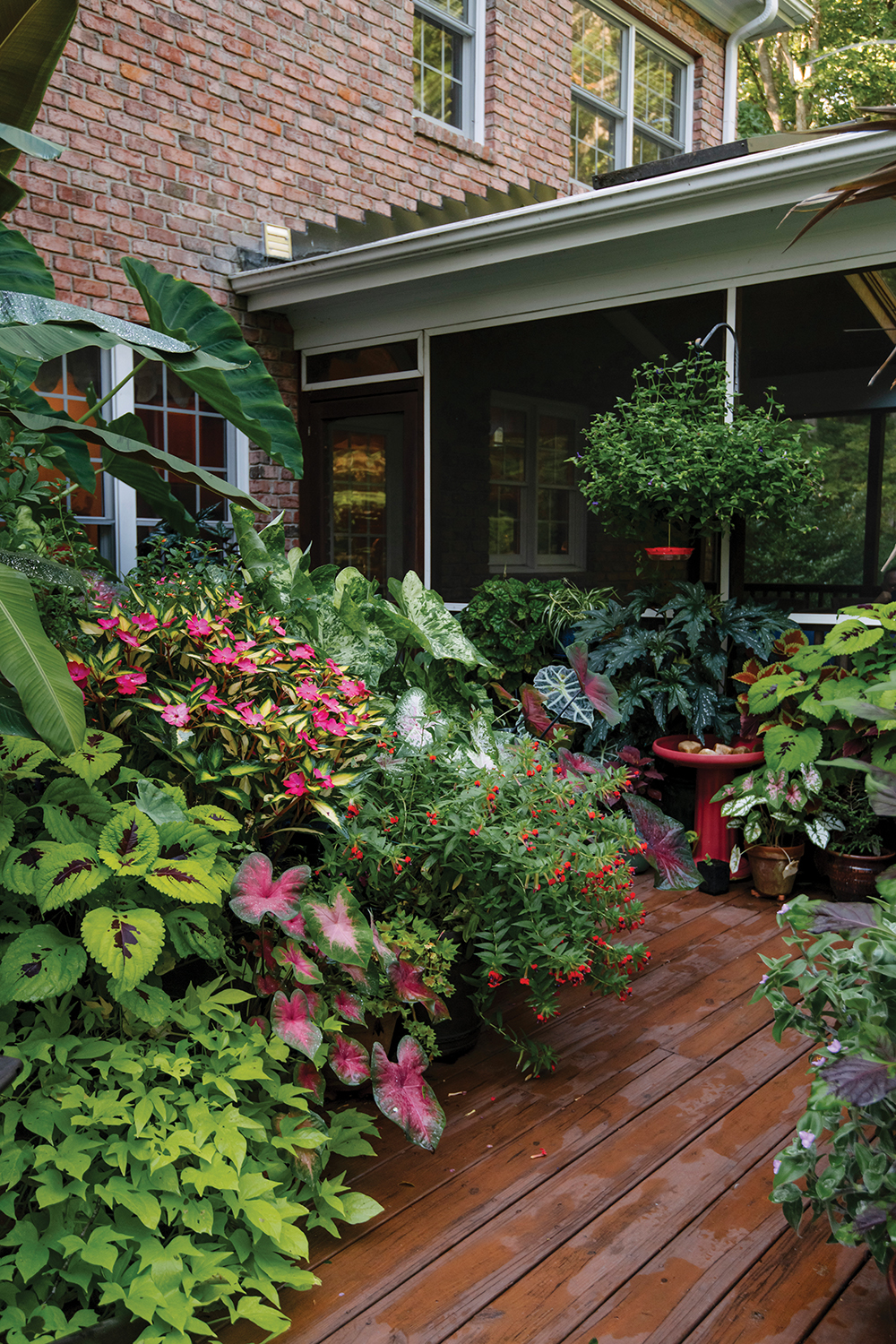
Jay helped with the research, and the two found that “fall through the winter was the most challenging, but then we managed to fill those months with Sasanqua and Japonica camellias, witch hazels, Japanese spicebush, hellebores and late-winter flowering bulbs like daffodils and summer snowflakes,” says Kim. She especially loves making perennial gardens “filled with a tapestry of foliage and flower colors,” finding that caladiums and coleus in particular add an array of colors to their shade garden. “They also make me think of my grandfather, because I am still digging up bulbs every fall and storing them,” she says.
Over time, the garden has grown and evolved. Sometimes, they’ll learn about an interesting plant and hunt it down. Other times, Jay says, “we’ll see something in a garden center we like the looks of and then try to figure out where it might fit into the garden.” Jay confesses he has made many mistakes. In the beginning, for example, they didn’t realize that the new lot was full of poorly draining compacted clay, and they were not accounting for poor drainage. Over time, he learned to dig the clay out of the hole and replace it with better draining soil, “essentially putting the plant in a bathtub.” Later, the couple learned to blend amendments into the native soil.

The Yourches have also taken advantage of changes to their land that were outside their control. In 2021, they had several large trees go down behind the house, both on the highest bluff and on the floodplain. “We suddenly had more light in those areas than we’d ever had before, but because of the deer herd pressures, there were no tree seedlings to take their place,” Jay says. The fallen trees became an opportunity. “Because of the property’s unique topography and our love of native trees, we had the chance to recreate plant communities from the coastal plain and mountain regions of North Carolina and have them thrive in the conditions,” says Jay. But they would also look like they belonged, with mountain species growing on steep slopes among boulders, and coastal species growing on a moist creekside floodplain.
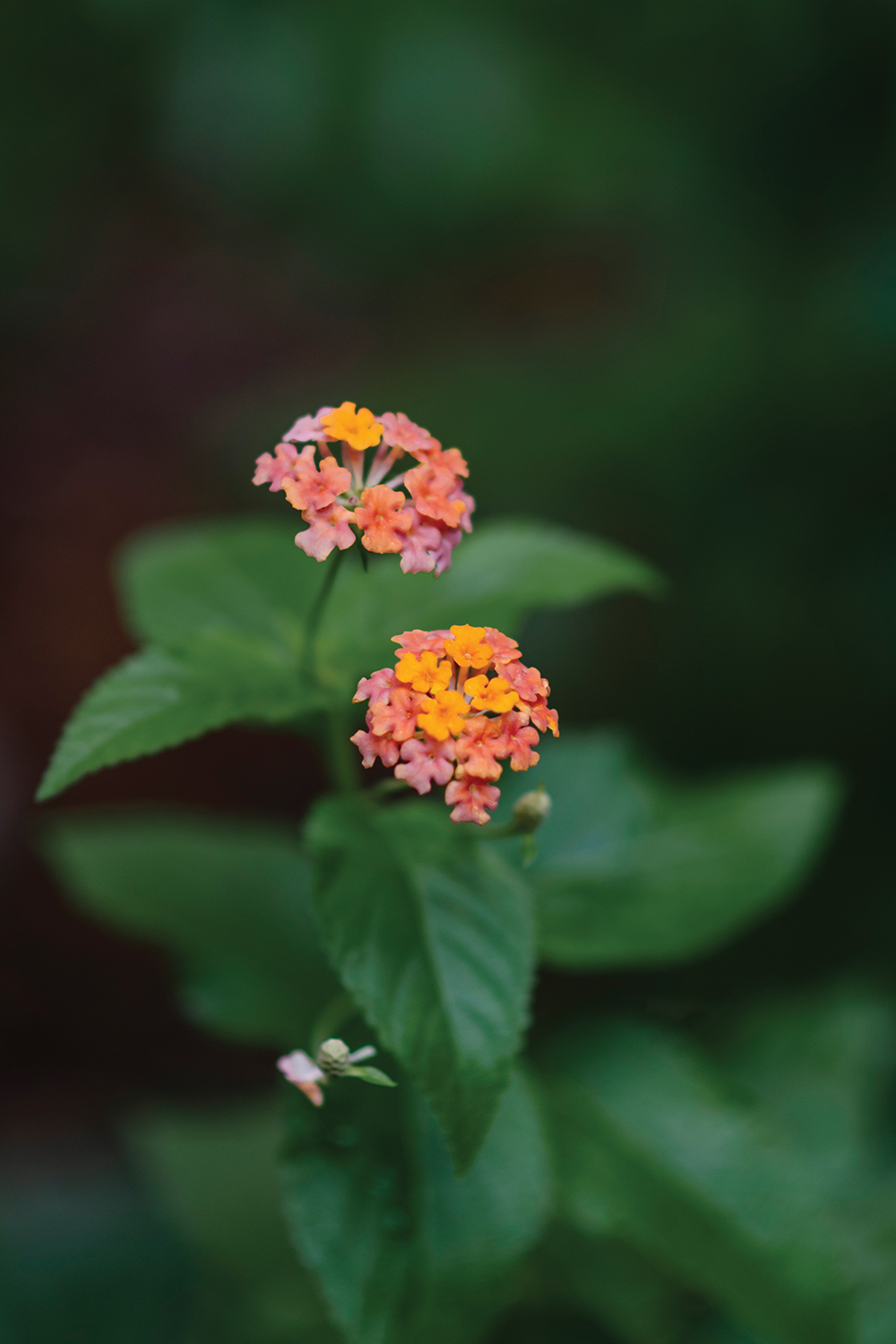
Some of the species planted in the mountain section are cucumber magnolia, Fraser’s magnolia, chestnut oak, yellow buckeye, sugar maple, Eastern hemlock and Carolina hemlock. (Jay caged them to avoid deer damage until they were large enough to fend for themselves.) In the floodplain are sweetbay magnolia, swamp chestnut oak, pawpaw, bald cypress, loblolly bay, pond cypress and overcup oak, as well as Florida torreya, red bay, shellbark hickory and needle palm. Finding native trees and shrubs can be challenging, especially rare ones like those in Beech Grove, but they have had success with Homewood Nursery & Garden Center in North Raleigh and Garden Treasures Nursery in Wendell. “I also trade seeds of native trees with other enthusiasts online to obtain trees that aren’t commonly found,” he says.
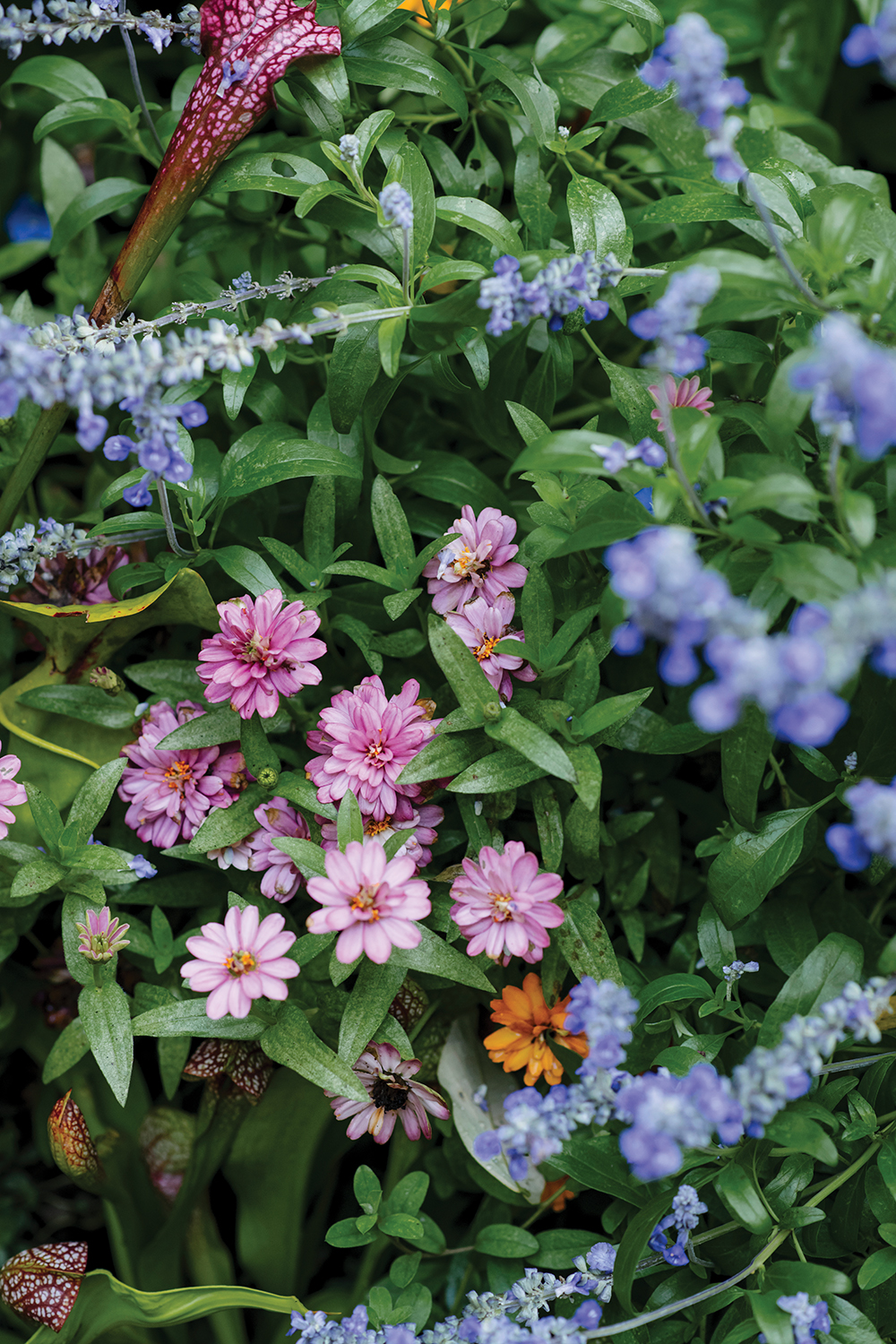
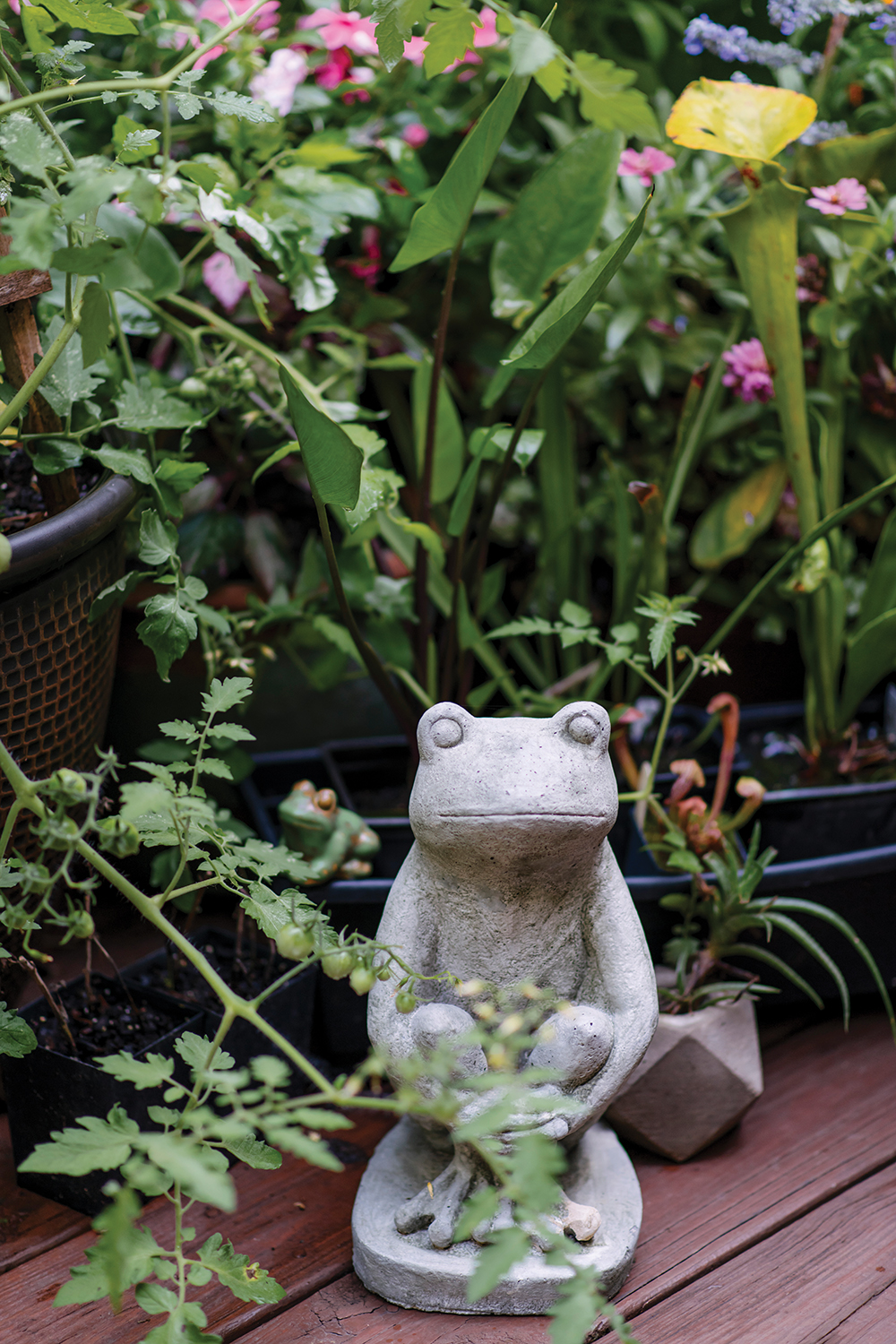
Now, the two are experienced gardeners with advice to pass on to others. Jay says that for a larger property like Beech Grove, “focus on one area at a time so it’s easy to keep up with supplemental watering for newly planted trees and shrubs until they are established.” There are areas at Beech Grove that are too far from a hose bib to be watered conveniently, so the Yourches choose plants carefully for the site. They plant in autumn, winter or early spring so they can establish roots before summer heat and drought arrive.

“And don’t get discouraged when something dies,” says Kim. “I have heard so many people say they can’t grow anything, but we have had many plants die. You just keep experimenting, and eventually you will find the things that thrive in your garden with the amount of care you can provide.”
Today, Beech Grove is a destination garden for plant enthusiasts, garden clubs and conservationists “The Yourch garden is always such a delight to visit,” says Mark Weathington, director of the JC Raulston Arboretum. “From the lush plantings surrounding the house to the native habitats along the bottom of the property, a new treasure awaits around every corner and in every season.”



This article originally appeared in the September 2025 issue of WALTER magazine.