I enter this month of transition with extra gratitude for two of spring’s most beautiful flowers, peonies and poppies
by Helen Yoest | photograph by Liz Condo
May is vibrant with blooms and fills me with dreams of a wonderful forthcoming season. I’ve made a point to fill my garden with flowering plants to carry me from late spring into full summer.
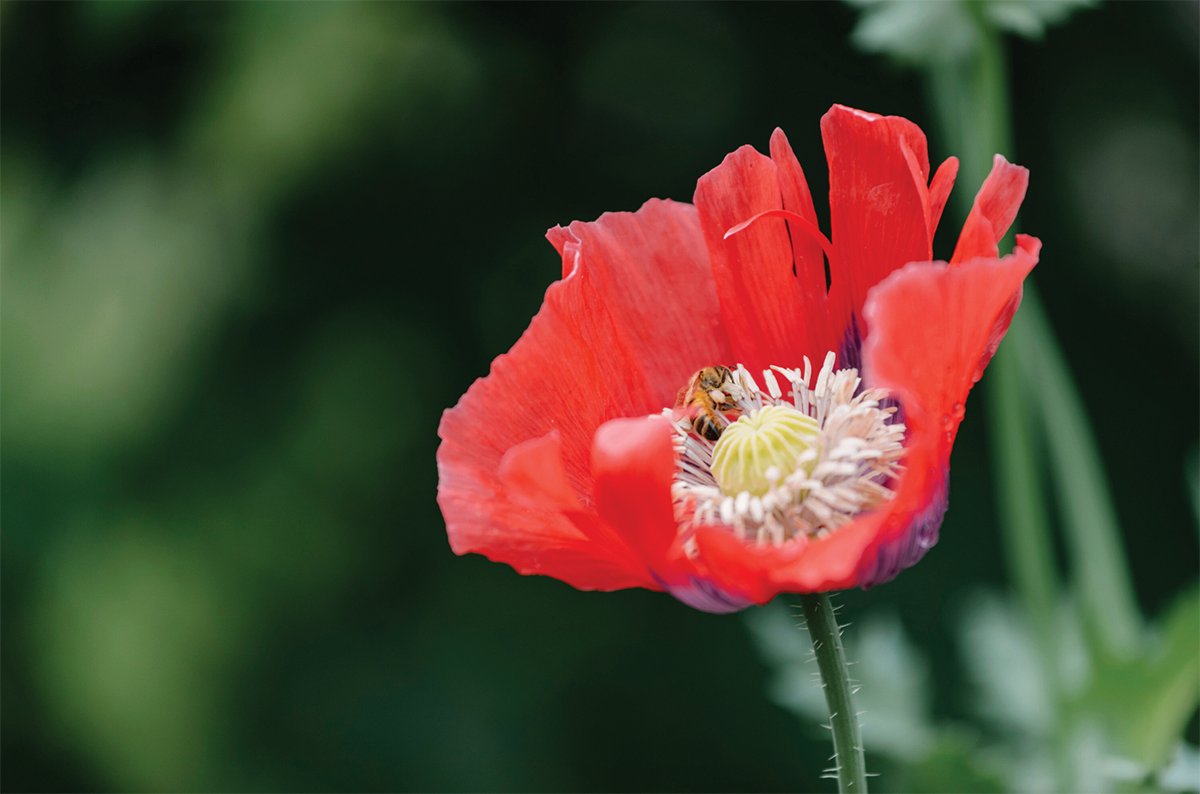
Among these, peonies are a favorite of mine. Is there a more beautiful flower? Graceful, regal and floriferous, they’re a highlight once the spring bulbs fade. They may be droopy and short-lived, but if you cut them to bring inside, they will be indoor delight for a while.
Peonies need cold weather to bloom, so they grow best in colder climates, up to our Zone 8. They prefer dry conditions with good drainage. There are three main types of peonies: herbaceous peonies, tree peonies and intersectional hybrids, also known as Itoh peonies. Tree peonies are woody shrubs with larger, earlier blooms that remain above ground all year, while herbaceous peonies die back each year. The Itoh peonies are a hybrid of both: they die back every year but offer a stunning display of larger, long-lasting blooms that you’d expect from a tree peony.
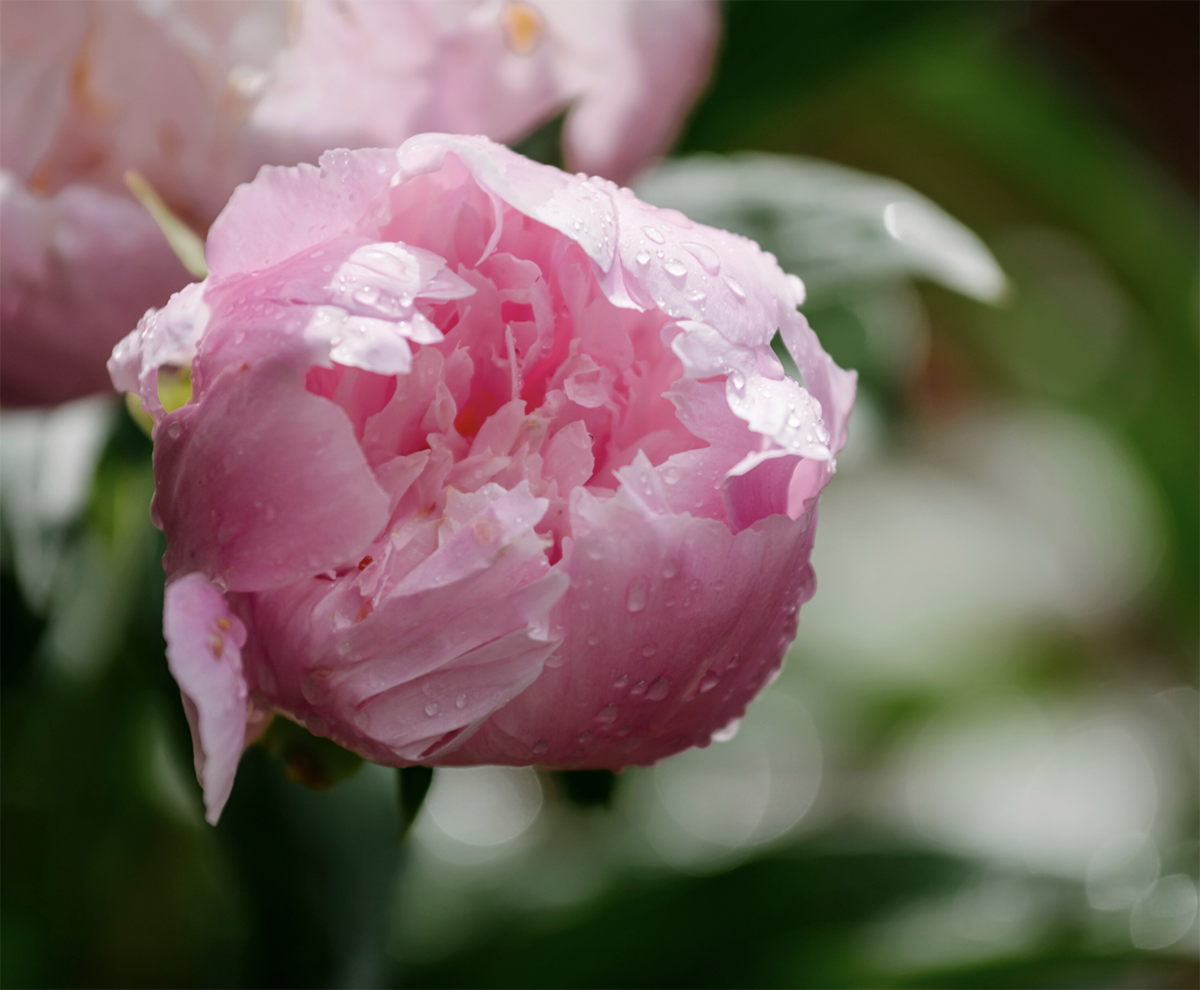
I also grow hot red poppies all over my garden for an annual flush. Also known as bread poppies (you might find the seeds on your morning bagel) they offer cheerful, long-lasting, colorful flowers. An added benefit is that the bees adore them and will busily collect pollen from their blooms. After the flowers fade, the seed heads provide food for foraging birds, especially goldfinches. I would grow them for the seed heads alone, so I can find delight as the birds alight! I leave the blooms once they’re done flowering so the seeds dry up and fall to the earth to re-seed for next year.
How grateful I am for these flowers! The color and excitement they bring to my garden are the perfect bridge between spring and summer.

This article originally appeared in the May 2026 issue of WATER magazine.