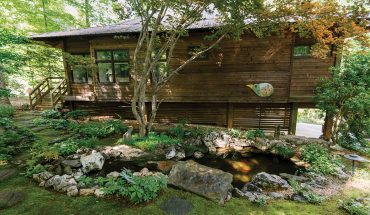
Soft & Quiet: A Dreamy Moss Garden in North Carolina
Chris and Sarah Wyne turned a wooded lot into a moss garden that begs for bare feet, with ferns and winding stone paths beneath mature hardwoods

Chris and Sarah Wyne turned a wooded lot into a moss garden that begs for bare feet, with ferns and winding stone paths beneath mature hardwoods
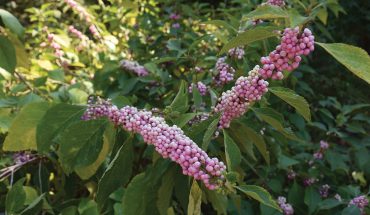
These hardy native shrubs brighten North Carolina fall gardens with edible purple fruit — perfect for beautyberry jam or syrup
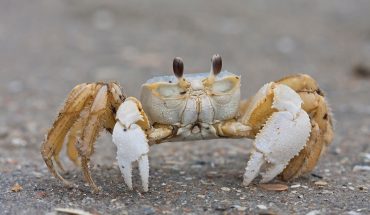
Don’t be frightened by ghost crabs, devil’s walking stick or witches’ broom — these North Carolina natives aren’t as scary as they sound
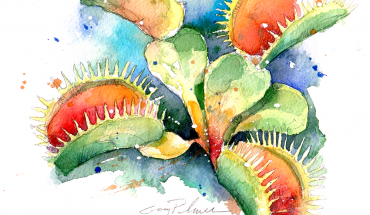
Tommy Tomlinson reflects on North Carolina’s unique natural beauty and the forests, beaches, marshes and bays that we call home.
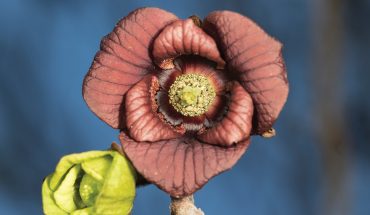
These native plants have a delightful taste and plenty of benefits — and the season to find pawpaws is here
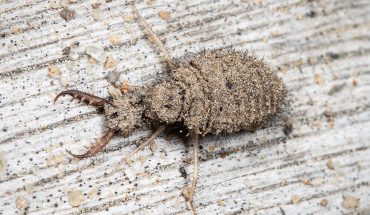
Antlions — also known as doodlebugs — are quirky, ferocious larvae hiding in your North Carolina backyard
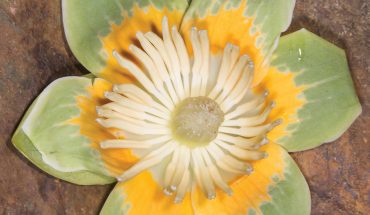
These hardy, towering trees with multi-colored flowers are important contributors to North Carolina’s landscape

These silent predators add mystery and serenity to the night soundscape — learn about the three species you’re likely to see around Raleigh
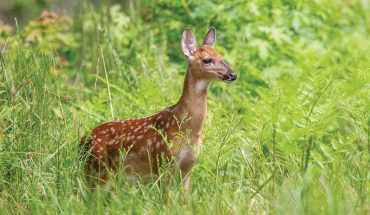
Once an almost-decimated population in North Carolina, these deer are considered a conservation success — but they can be a nuisance
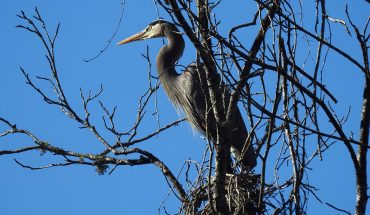
With its diversity of wildlife — including a heron rookery and nesting bald eagles — this park inspires legions of avid fans
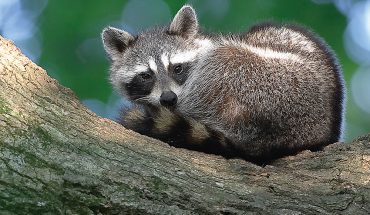
These easily recognized wild mammals are ubiquitous in the Piedmont, both in undeveloped lands and urban areas
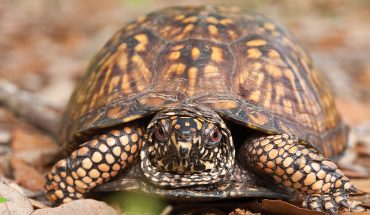
This native species is the official amphibian of North Carolina. Each turtle has a shell as distinct as a thumbprint.

The deciduous shrub Lindera benzoin is an early-spring delight in the Piedmont when its delicate yellow blooms light up its bare branches.
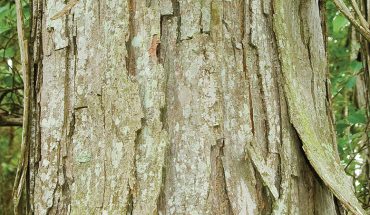
It’s easy to identify trees by their leaves — but could you do it without looking up? Take this quiz before your next woodland walk.