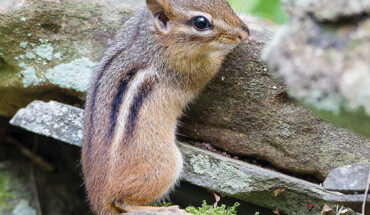
Cheeky Chippies: Fun Facts About this Adorable Mammal
The Eastern Chipmunk can hold 60 sunflower seeds in its expandable cheek pouches and builds 10-foot-long tunnels.

The Eastern Chipmunk can hold 60 sunflower seeds in its expandable cheek pouches and builds 10-foot-long tunnels.
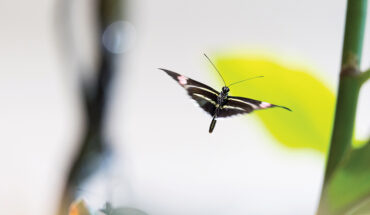
This summer the Butterfly Room will go back to normal hours. Learn about the butterflies, turtles, snakes and sloth that live here.
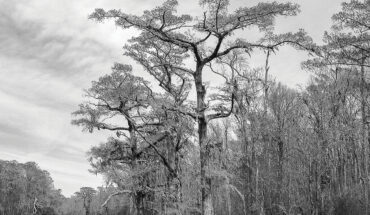
Traveling by canoe, this nature writer explores the rich, ecologically diverse area of our state’s swamplands.
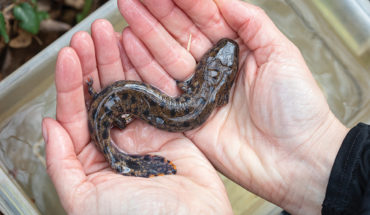
This unique and truly aquatic salamander is found only in the Tar-Pamlico and Neuse River basins of North Carolina.
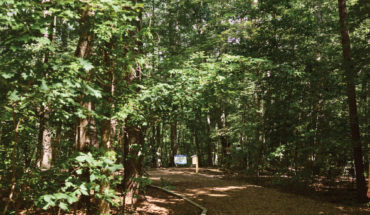
In honor of The Year of the Trail, use this as a guide when selecting a new trail to explore this year in Raleigh and beyond.
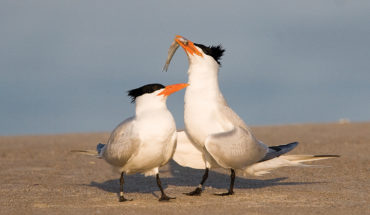
How a few frisky mammals, insects and amphibians in North Carolina attract one another — and the surprising activities that happen next.
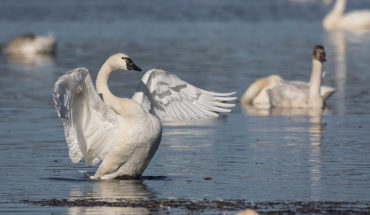
Each winter, thousands of tundra swans migrate to eastern North Carolina, where they spend time preening, resting, and eating.
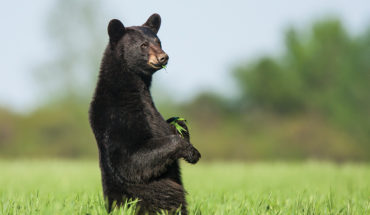
While most consider the mountains the place to find black bears, our nature writer has had remarkable encounters with them along the coast.
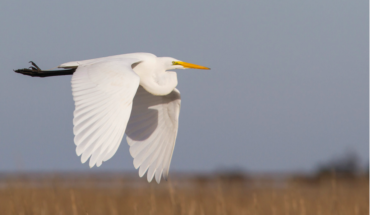
Birds and people alike love the beach! Learn how to identify our fine feathered friends on your next trip to North Carolina’s coast.
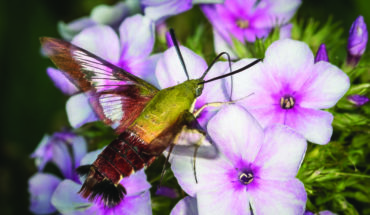
Move over lightning bugs — these winged creatures are the ones to watch for on summer evenings!
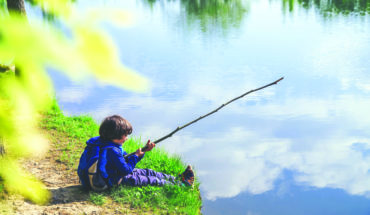
Check out these spots in the Triangle to cast a line in the water after a short hike, a quintessential summer pastime or many.

Just like the plants in his garden, this writer finds we’re always learning and growing, dreaming and scheming.
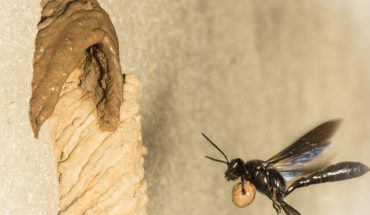
Mud dauber wasps are non-aggressive insects that are unlikely to sting — and expert architects that build intricate nests
From unfurling leaves to early butterflies, it’s a good time to head outside to note the changes happening in your neighborhood.