For 40 years, Artspace has nurtured artists and creatives in downtown Raleigh with studios, a gallery and art classes
By Ayn-Monique Klahre
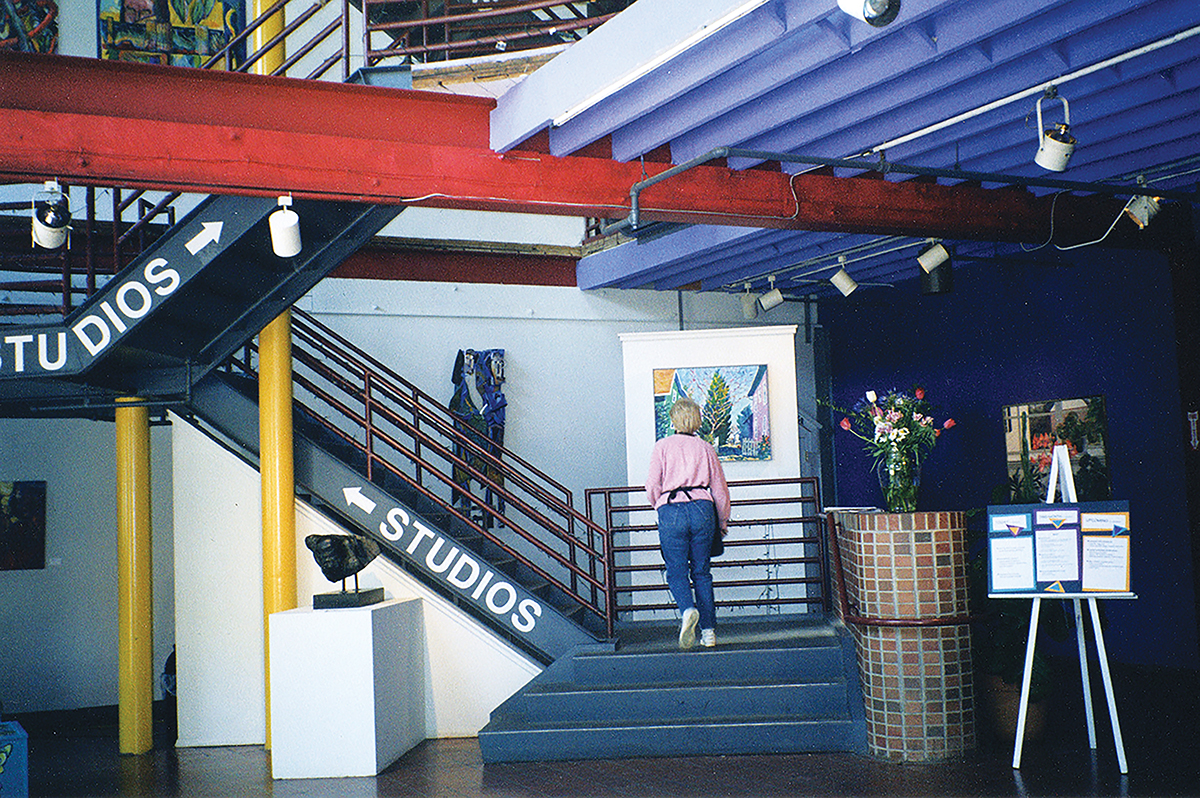
These days, Artspace is well known as a community hub to see and make art. Its public gallery is open throughout the week, its studios give working artists a place to practice, and its classes offer arts education at different levels. “Those three components make us a true creative hub,” says president and CEO Carly Jones. This year, the nonprofit is celebrating 40 years.
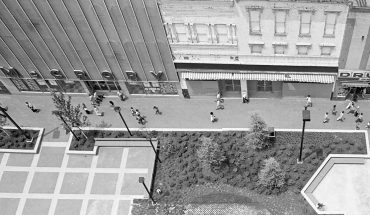
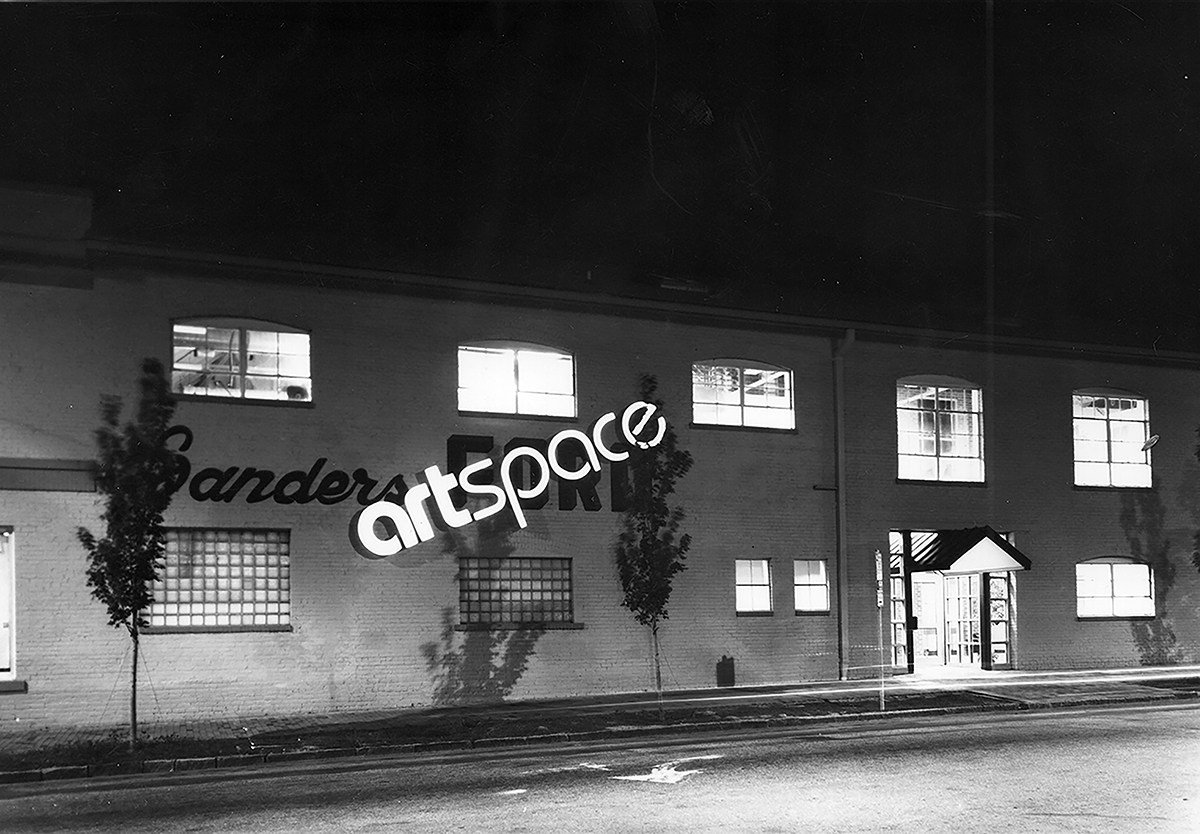
Sharron Parker was one of the original artists who helped identify the Sanders Ford Building, an old car dealership on E. Davie Street, as the future home of Artspace. “Back then, there wasn’t even a sidewalk in front of it. People didn’t live downtown; nobody came at night,” Parker says. “But the general consensus was that we artists would be like the canaries in the coal mine—if we could survive downtown, then other things could, too.”
They enlisted Steven Schuster and Thomas Sayre of Clearscapes to convert the space, preserving the dramatic entrance atrium while maximizing studio space. “That first group of artists were Steve’s clients—they knew how much space they wanted—so he’d say, ‘You’ve got to come in and deal with these artists!'” laughs Sayre. “It was a very risky thing—one of the first steps in transforming Raleigh from an abandoned downtown to what it’s become.”
The concept was modeled after the Torpedo Factory Art Center in Alexandria, Virginia, with the idea being to nurture career artists while the public watched them work. “This was not for Sunday painters or weekend hobbyists,” says Parker, who kept a studio there for 27 years. (She remembers David Benson building the acorn for the Acorn Drop across from her studio: “It was extremely noisy, but he offered earplugs to all the neighbors. ”)
Artspace soon started hosting First Fridays, which are still popular today. “We had live music and snacks; it was a real party atmosphere,” Parker says. “It definitely became a force for more life downtown.”
Jones has led Artspace for five years, but she first encountered it as a summer camper. “I grew up knowing it as the place to be, to see something creative and inspiring,” she says. “I’ve heard so many stories from folks of multiple generations about the impact Artspace has made for them—where they’ve attended First Fridays or gotten married or taken classes.”
During her tenure, she has focused on breaking down barriers. “We want to make sure we’re offering opportunities to artists who might have been left out at the margins,” she says, citing residencies for HBCU alumni, emerging artists, and artists with disabilities. Sayre says it’s working: “They’re bringing in people who don’t normally show up to art venues and are making real progress in cultivating a more diverse range of artists.”
As Artspace enters its fifth decade, Jones says, “We have made such an impact on the cultural landscape over the past four decades. I think art is and will continue to be a need in our growing community—it’s one of those pieces of the ecosystem of a city that is sometimes taken for granted, but it’s necessary.”

This article originally appeared in the November 2026 issue of WALTER Magazine.