In “Salt, Sweat & Steam,” the chef and food writer recalls her rigorous studies at the Culinary Institute of America
as told to Addie Ladner
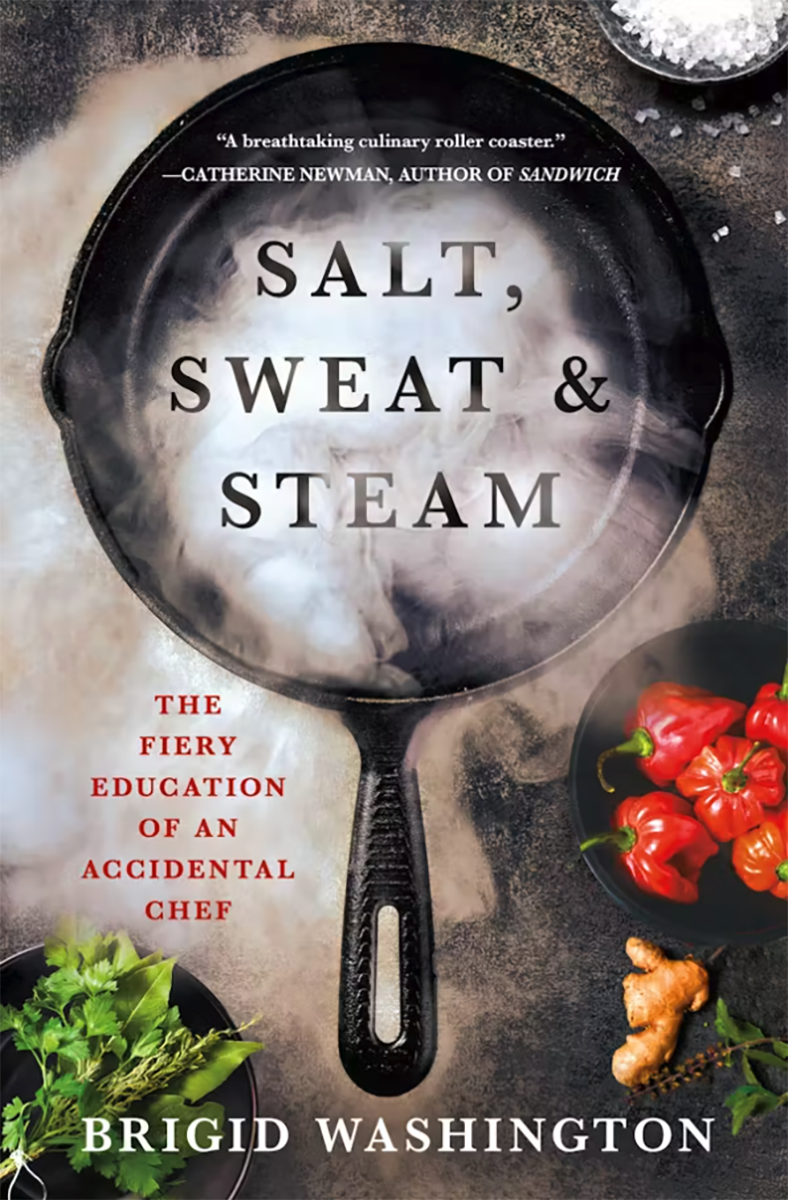
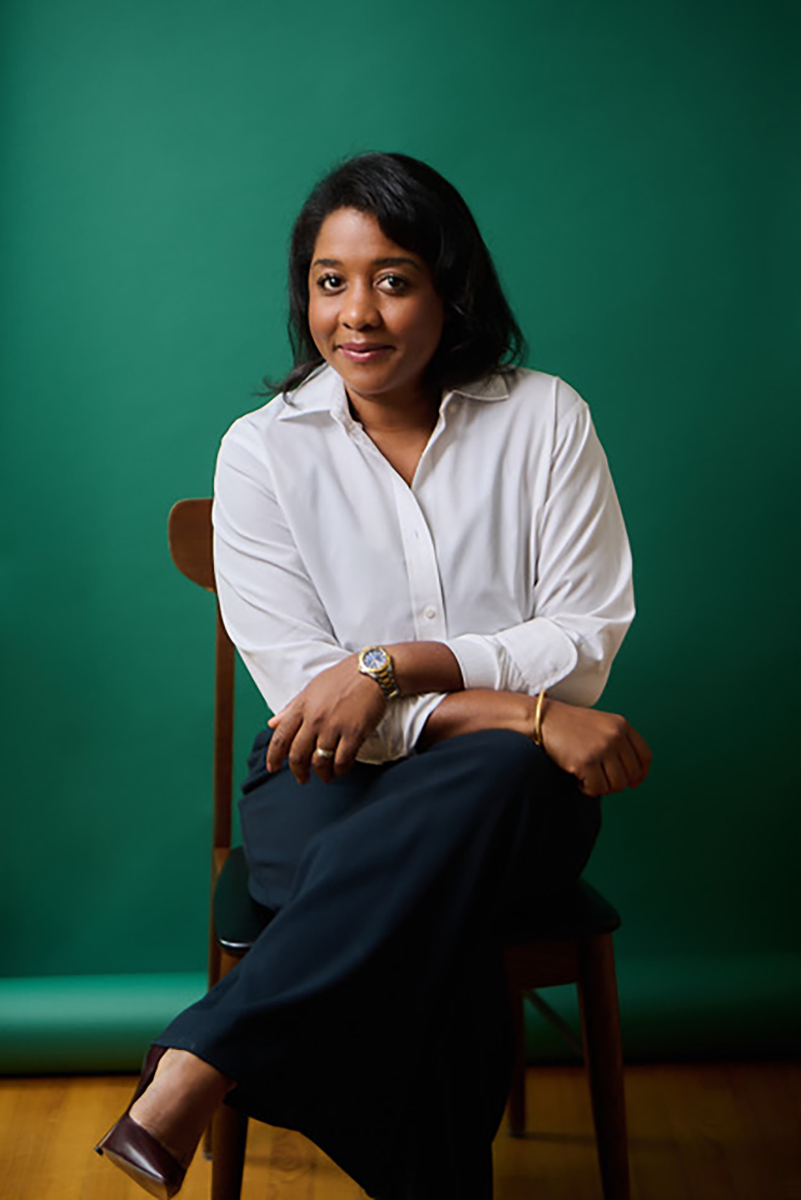
Author, writer and recipe developer Brigid Washington’s latest book, Salt, Sweat & Steam, explores her experiences at the Culinary Institute of America (CIA) in New York, the most prestigious cooking school in the country. Originally from Trinidad, Washington came to the United States to study journalism and psychology at North Carolina State University. After graduating in 2005, she worked in journalism for a few years, then decided to pivot to a career in food. That led her to the rigorous curriculum at the culinary college, where she learned the anatomy of fish, perfected a French omelet and ran the school’s newspaper. Through that experience, she evolved as a writer, chef and young adult, paving the way for a career working for publications like The New York Times and Bon Appétit. We caught up with Washington to learn more.
What Drove the Career Pivot?
After graduating from NC State, I moved to New York to take a job at Meredith Corporation. But I missed Raleigh and the tight circles of Caribbean friends I had here. I returned to Raleigh and decided to learn what professional cooking entails, hoping that it could lead to a career that I’d be passionate about. I started working under the mentorship of a local chef, who allowed me to shadow his back-of-house team and eventually gave me hands-on experience. Noticing my eagerness to learn, he encouraged me to apply to culinary school.
Did you anticipate the institute being as high-stress as it was?
Yes and no. There’s a reason it’s branded the “World’s Premier Culinary College.”
In the book, we learn about the high-stress conditions at the
institute. were they necessary?
There was a very high level of expected excellence. But I think the professors demand a lot because they know their students will experience that level of pressure if they want to work in a commercial kitchen or as professional chefs.
What’s something you learned that could benefit home cooks?
Direct heat, like broiling, is an underutilized tool in many home cooks’ repertoires. It’s an efficient way to bring out new, different flavors in vegetables, even the gentler vegetables. Broiling bok choy, for example, compounds the power of its delicate, grassy flavors. So the next time you’re about to steam or boil a vegetable, consider what delicious possibilities might come from high, direct heat.
In the book, you say you felt that you were starting “late” because you didn’t have everything figured out at 26. Looking back, do you feel differently?
Absolutely. But it was also within context. So many of the friends in my orbit did have things figured out: I had been to countless weddings, people were buying their first homes, they were on their career trajectories. We compare ourselves to the people closest to us. I would have never imagined the career I’ve had over the past 20 years — now, I’m sharing Trinidadian recipes in The New York Times and I’m the vice president of the James Beard Foundation journalism committee. Looking back, I was right where I needed to be.
What might people find surprising after reading this book?
At the institute, I did so much of my cooking as an achievement or for a grade. For some people, a stressful environment like that, with so much pressure, could make you hate cooking. But I still truly enjoy it.
This interview has been condensed and edited for clarity.

This article originally appeared in the May 2026 issue of WALTER magazine.