Make the effort now for a delicious summer next year by planting blueberries, paw paw or blackberries this fall.
By Helen Yoest
In the summer, you can tell just by looking at me that I’m a fruit grower: my fingers and mouth are stained through most of the fruit-bearing season. In my home garden, I grow about 30 different fruits.
My tastes don’t always match everyone else’s. I once brought a pawpaw to a friend who said he didn’t like it at all—one bite was enough. He later confessed he’d just eaten a sweet peach right before, so that may have had something to do with it.
Fall is an excellent time to plant fruit trees and shrubs, and nursery stock is ripe for the picking. Here are three that grow well in our area.
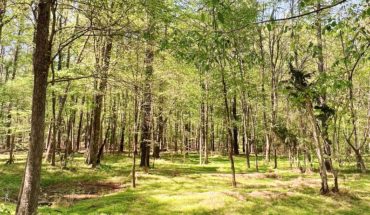
Pawpaw (Asimina triloba) isn’t a fruit you typically find at the market, given its short shelf life. It has a creamy, custard-like texture with notes of banana, mango, vanilla and a hint of citrus. Pawpaws aren’t self-fertile, so you need two genetically different trees to produce fruit. Plant young trees in partial shade, but give them full sun once established to maximize production. The ideal spot is at the edge of a wood.
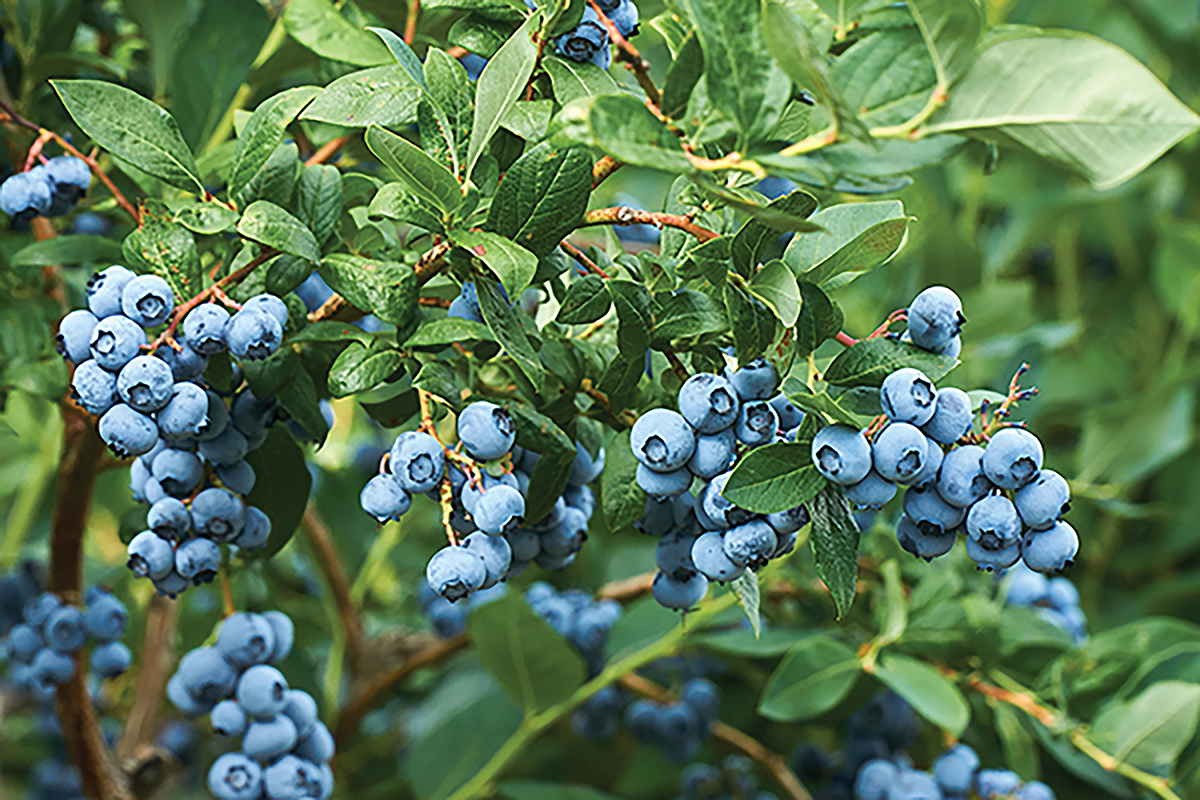
Blueberries (Vaccinium spp.) are a fruit that 78% of Americans like, according to one poll—though I should be counted twice, since I love them so much. In the Raleigh area, we can grow rabbiteye and southern highbush varieties. Rabbiteye (V. ashei) grows quite large, up to 10 feet tall, with an upright, vigorous habit; popular cultivars include Climax, Premier, and Tifblue. Popular southern highbush (V. formosum) cultivars include Emerald, Jewel, and Star. Plant these in full sun in well-drained and very acidic soil.
Blackberries (Rubus spp.) grow on rambling, thorny brambles. Fortunately, selective breeding has produced thornless varieties like Natchez, Ouachita, and Von. These also like full sun and well-drained, acidic soil. When planting a group of blackberry bushes, stake each cane (the single stem that emerges from the base) to create a walk-through row. Blackberries require two prunings: a tip pruning in early summer and a complete cutback of the canes that fruited, since each cane only produces fruit once. That little effort makes it all worthwhile!

This article originally appeared in the November 2026 issue of WALTER Magazine.