A unique program allows exemplary teachers from Wake County travel to places like South Africa, Mexico and Yellowstone National Park
by Hampton Williams Hofer | photography by Melissa Dowland
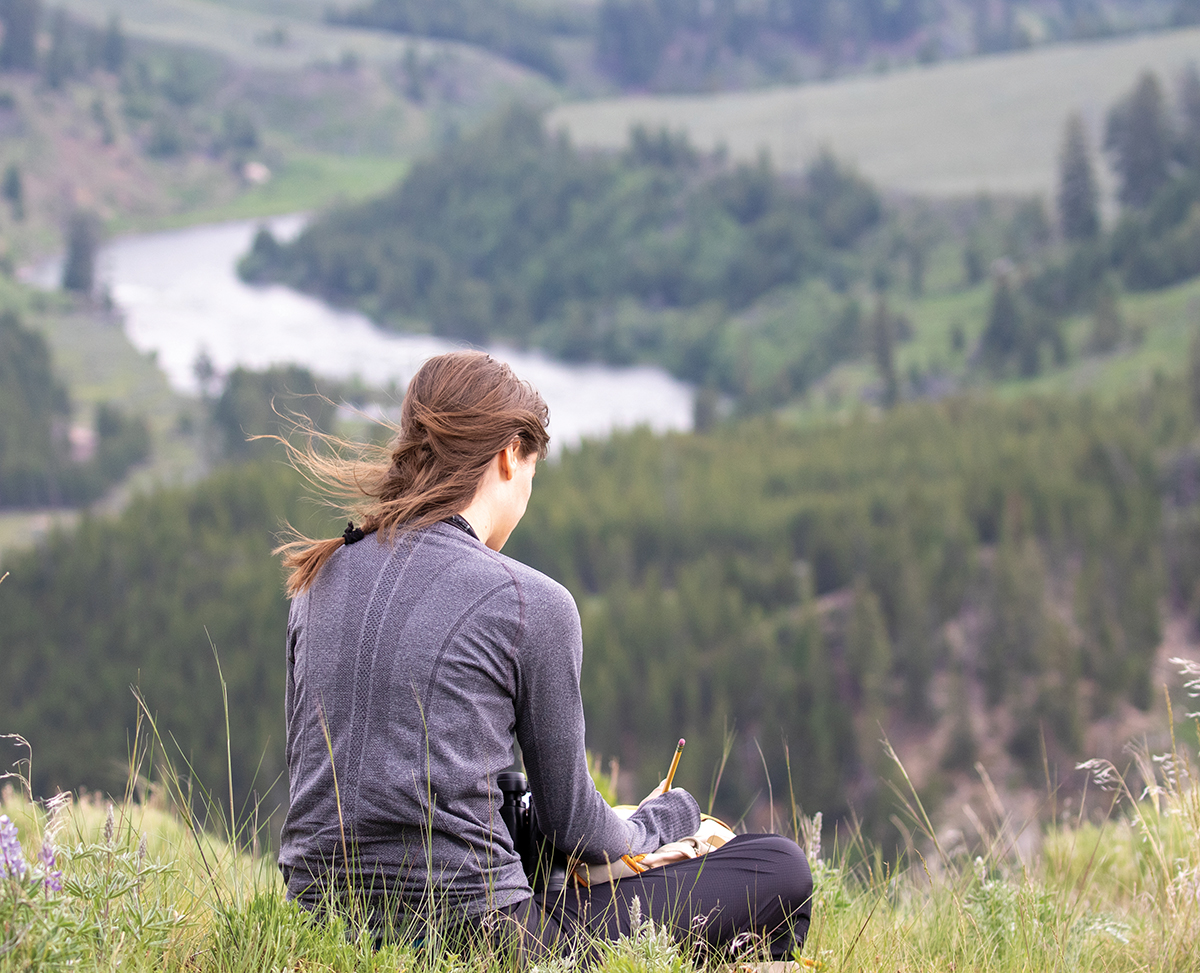
The North Carolina Museum of Natural Sciences is known as a hub for field trips — but for almost 40 years, the museum has been sending educators on inspiring trips far afield from Wake County.
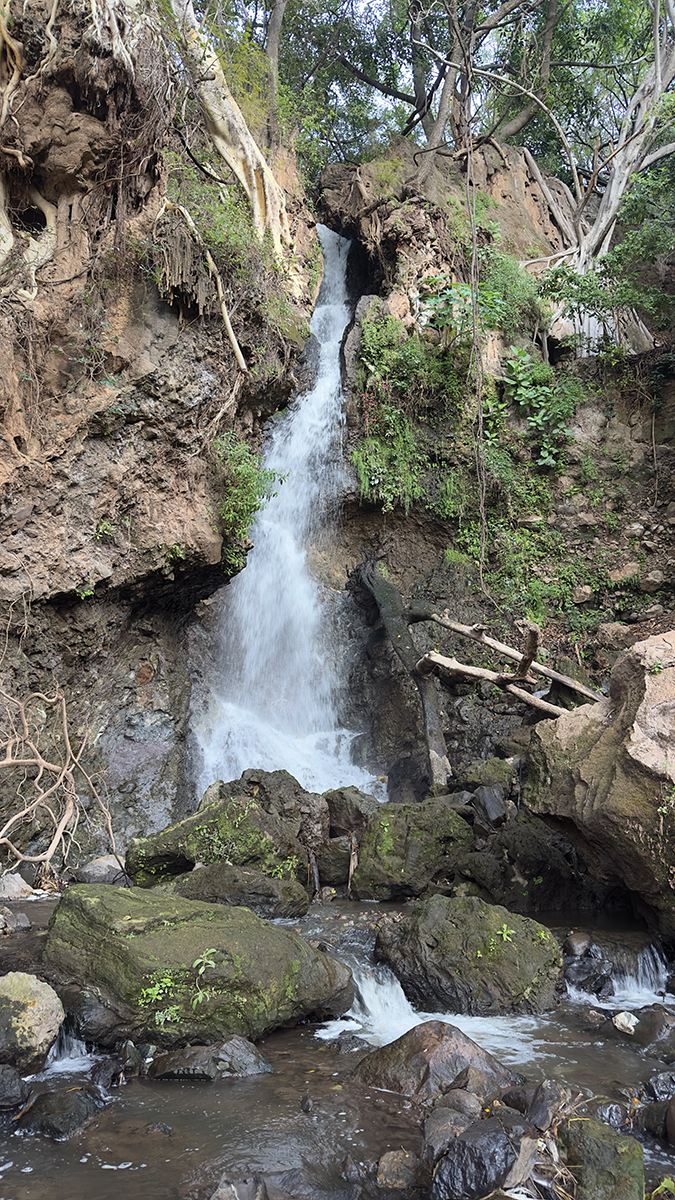
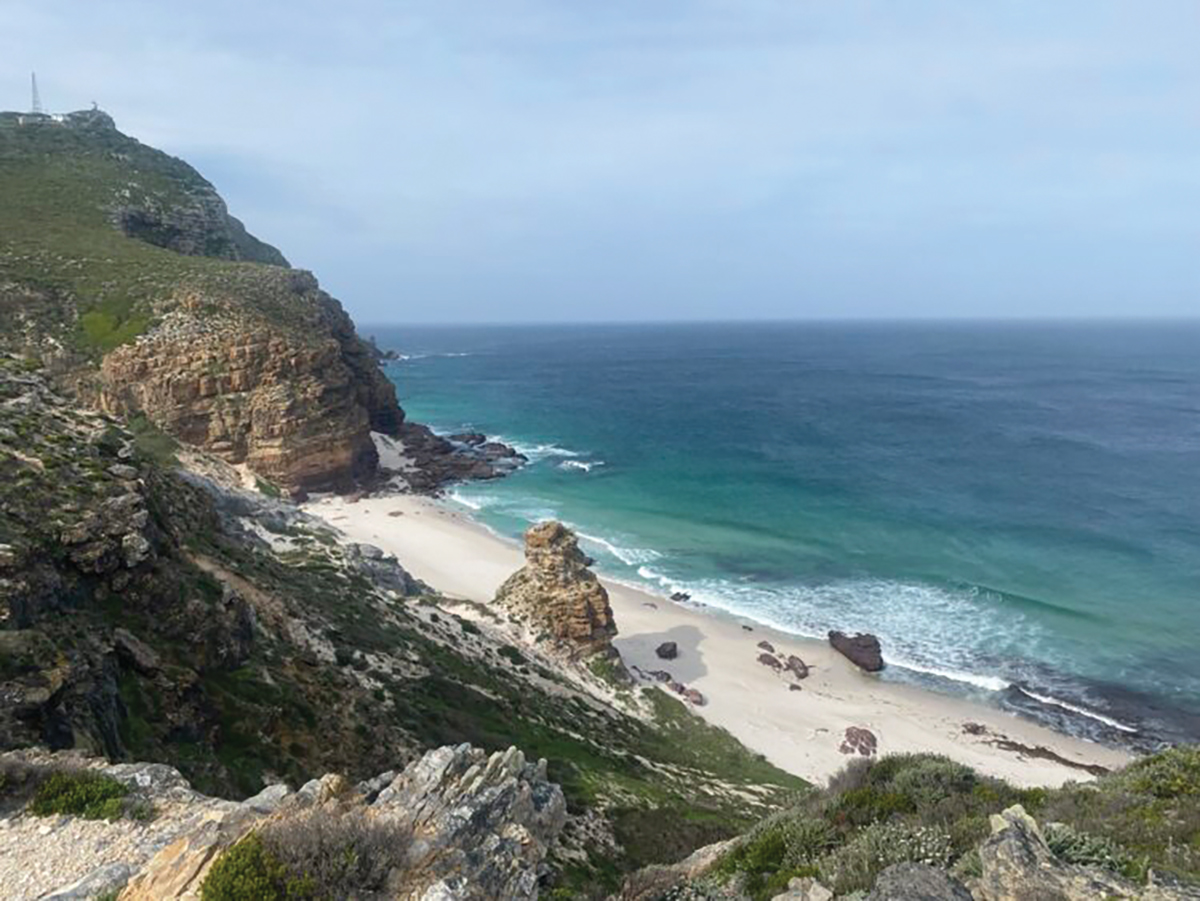
The museum’s Educators of Excellence Institutes allow exemplary teachers from across the state to embark on journeys to places like South Africa, the Amazon, Ecuador, Mexico and Yellowstone National Park, where they experience the natural world in new and thought-provoking ways.
“The program offers rejuvenation through firsthand experiences in the natural world, allowing educators to relearn how to be curious, then letting that curiosity and wonder drive future learning and connections to the world around us,” says Megan Davis, the museum’s coordinator of teacher education.
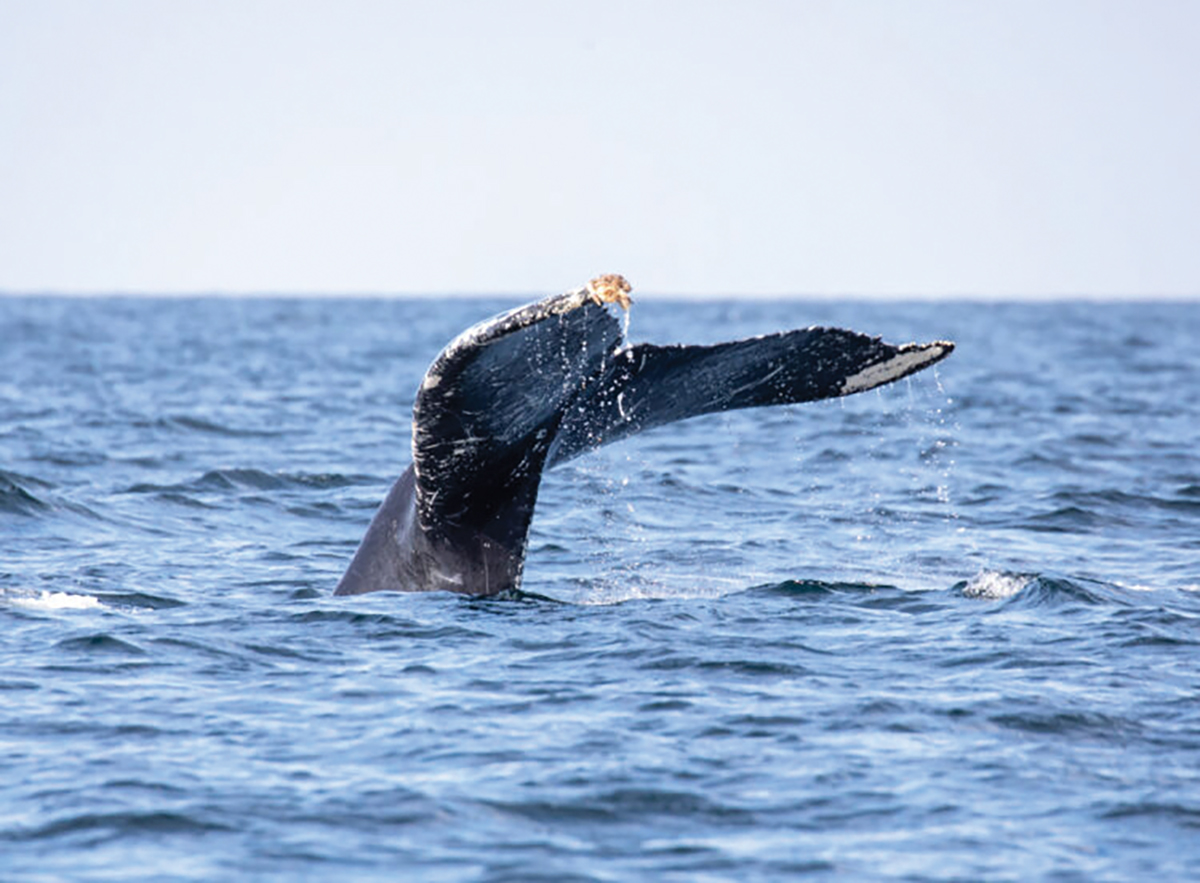
A science teacher who has rocked in a boat on the open ocean surrounded by humpback whales and heard their songs through an underwater microphone would certainly teach sonar with renewed vigor. An art teacher who has stood in awe of brilliant macaws in the wild would recount their color with contagious enthusiasm.
“I can’t tell you how many stories I’ve heard of a teacher, drained by the challenges inherent to our education system, whose passion for teaching was reignited after having the opportunity to spend time in outstanding natural places,” says Melissa Dowland, who recently retired after leading the museum’s institutes for more than two decades, where she helped establish travels to the Blue Ridge Mountains, Mexico and South Africa.
Since the program’s inception in 1987, the museum estimates that the more than 900 teachers who have participated have, in turn, impacted more than 750,000 students. Any full-time North Carolina educator with at least three years of experience can apply to one of the programs, which are supported by the Friends of the Museum’s Educators of Excellence Fund to help offset travel costs.
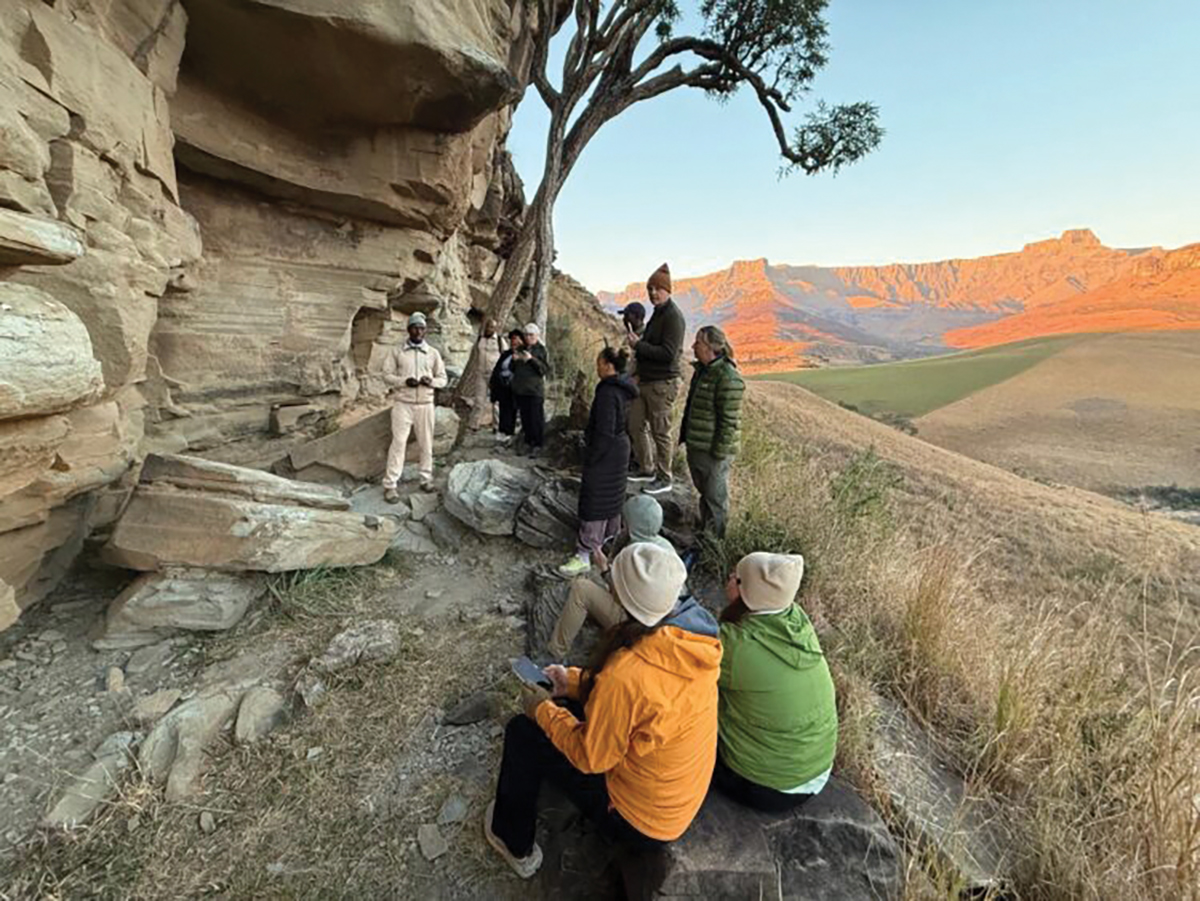
The ideal applicants foster a deep interest in the natural world and are up for activity — hiking, for example, to a dinosaur nest in the Maluti mountains, or traversing the snowy trails of Yellowstone in sub-zero temperatures.
When Abbotts Creek Elementary School science teacher Krista Brinchek was selected to join the museum’s “Magical Migrations” trip to Mexico in 2025, it was a full-circle moment for her. She still has a vivid childhood memory from a family trip to coastal Massachusetts, where she encountered a mass of bushes speckled in the deep orange of thousands of monarch butterflies.
“The air fluttered with movement as thousands of monarch butterflies surrounded us. Scientists with large nets moved carefully through the brush conducting their research, and a spark was lit in me,” she says.
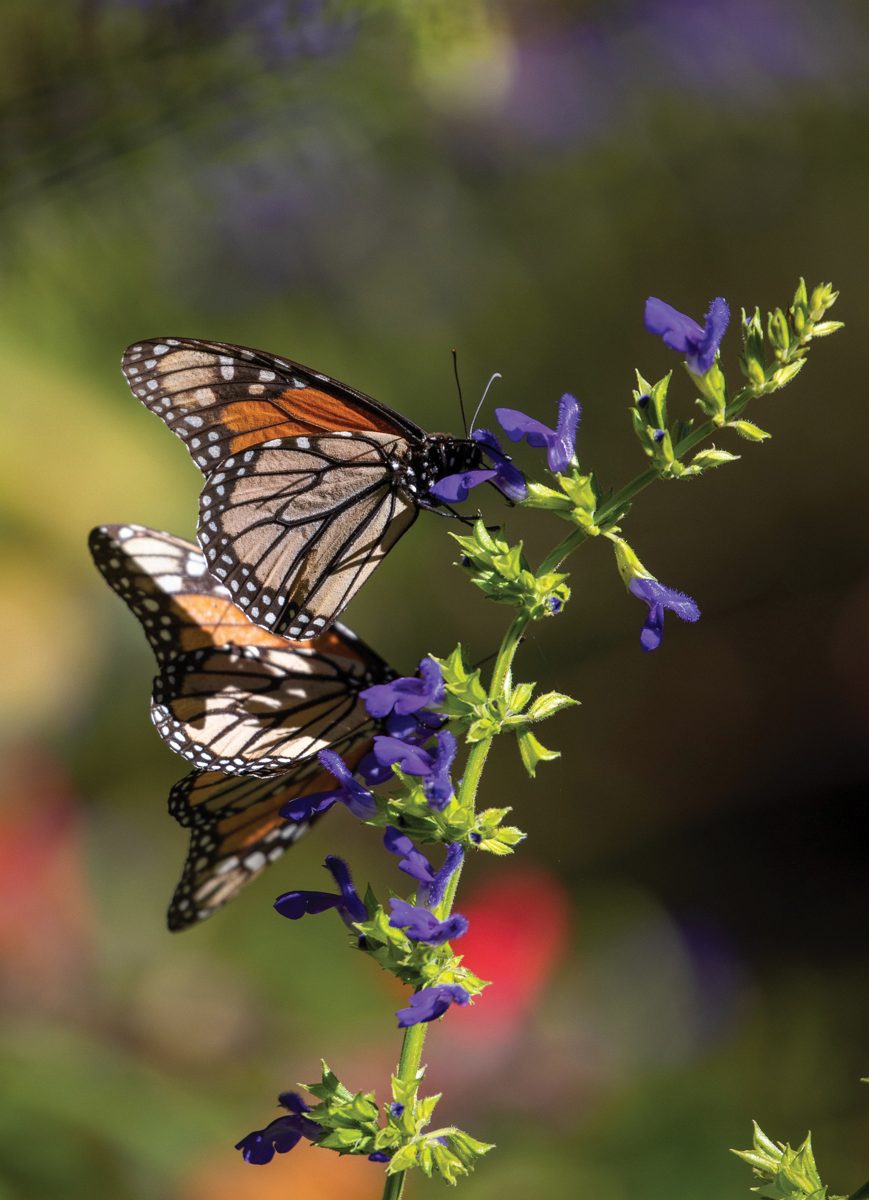
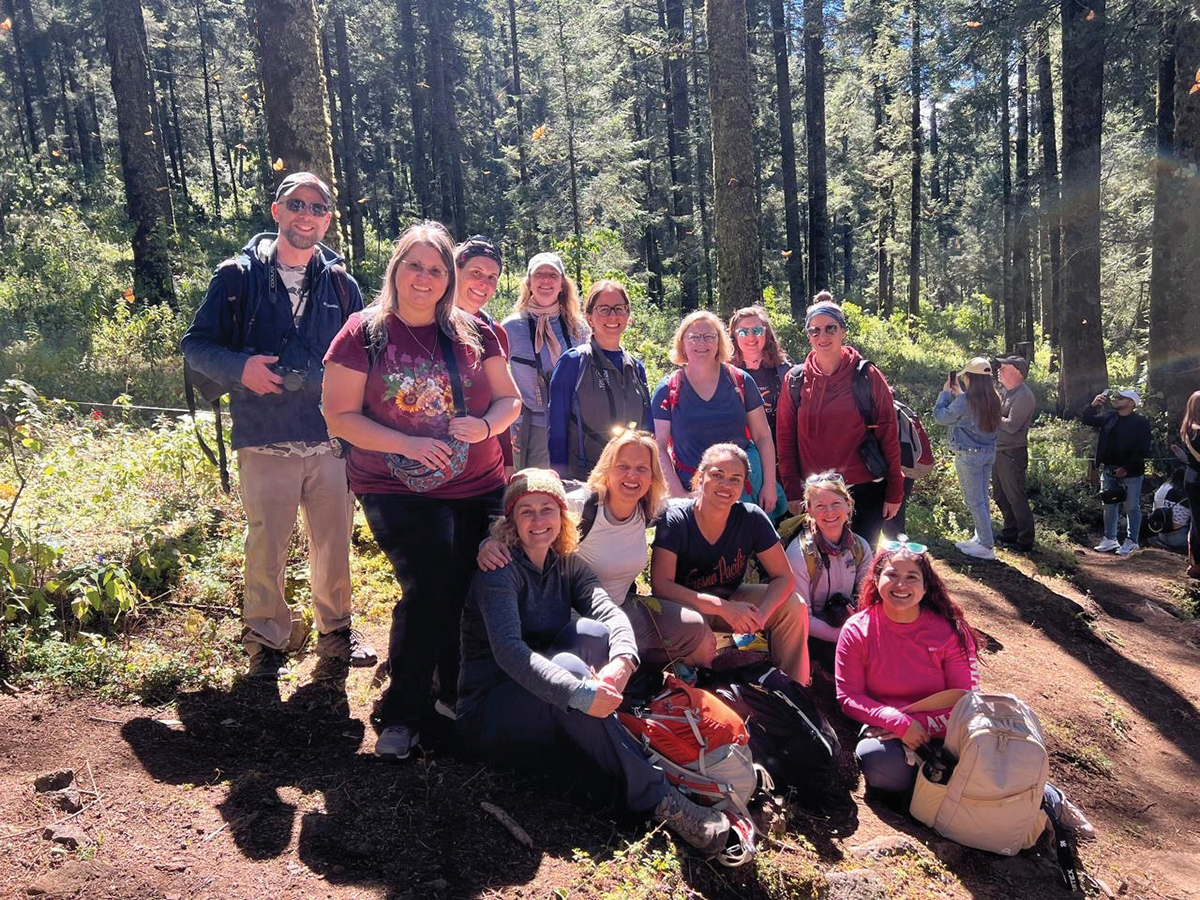
Many years later, on her trip with the NCMNS, Brinchek fulfilled her dream of seeing monarchs — perhaps distant descendants of the ones she’d seen — in their overwintering grounds. “We journeyed along winding mountain roads, through small towns in the Mexican countryside, until the trail went quiet,” she says. “Then I saw them — trees completely covered in monarchs, branches bending under their weight. When the sun broke through the clouds, I cried as we heard the soft, steady flutter of thousands of wings.”
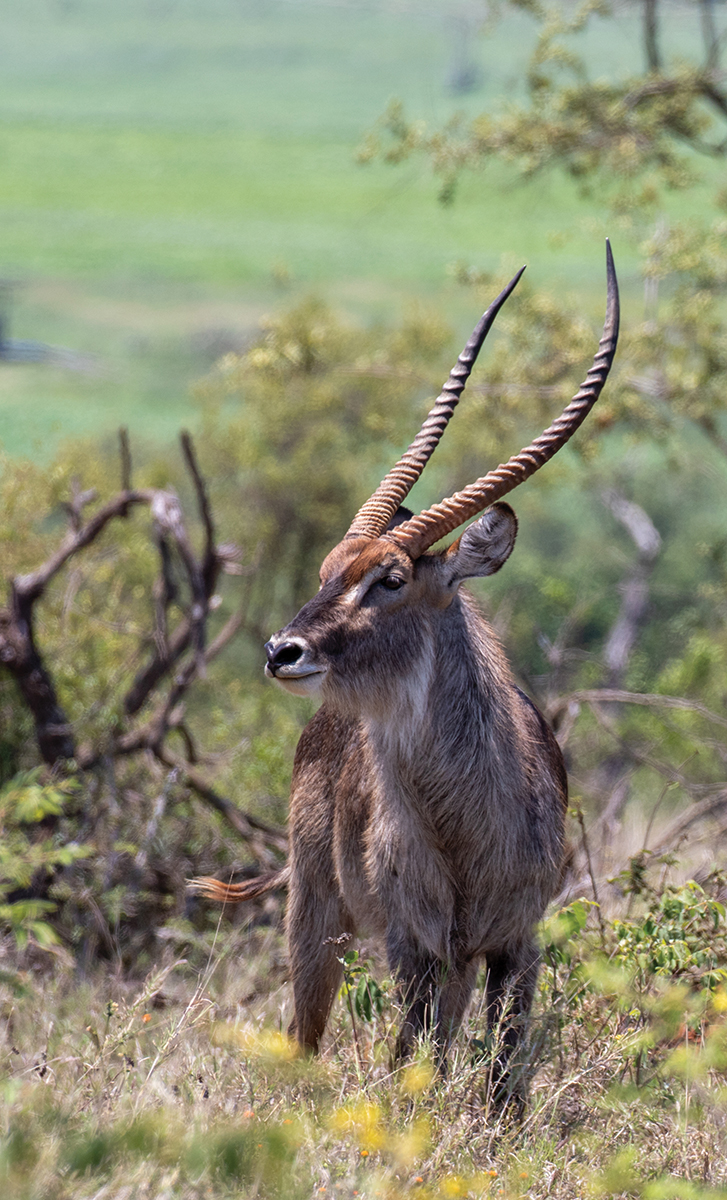
Africa
At Abbotts Creek, Brinchek teaches about migration every year, but now she has actually stood in that place. “The trip deepened my understanding of the natural world and reshaped how I bring it to life for my students,” she says.
Much of the education program that exists at the N.C. Museum of Natural Sciences is thanks to the late Mary Ann Brittain, who founded the Educator of Excellence Institutes, along with the beloved Prairie Ridge Ecostation. Brittain, who was awarded the Order of the Long Leaf Pine for her impact on the state of North Carolina, started the program with a trip to Belize in 1987.
Her ardent belief persists: that experiential learning in outstanding natural places can transform classrooms and lives. “The heart of the program remains the same,” says Dowland. “It is built on pillars of authentic experience, growth mindset, and personal and shared reflection.”
Last year, 36 participants, who teach students from preschool-age to adults, joined the institutes from 23 different counties. Some arrived with only a few years of teaching experience, others with decades. And they weren’t just science teachers, but specialists in everything from math to English, social studies and special education.
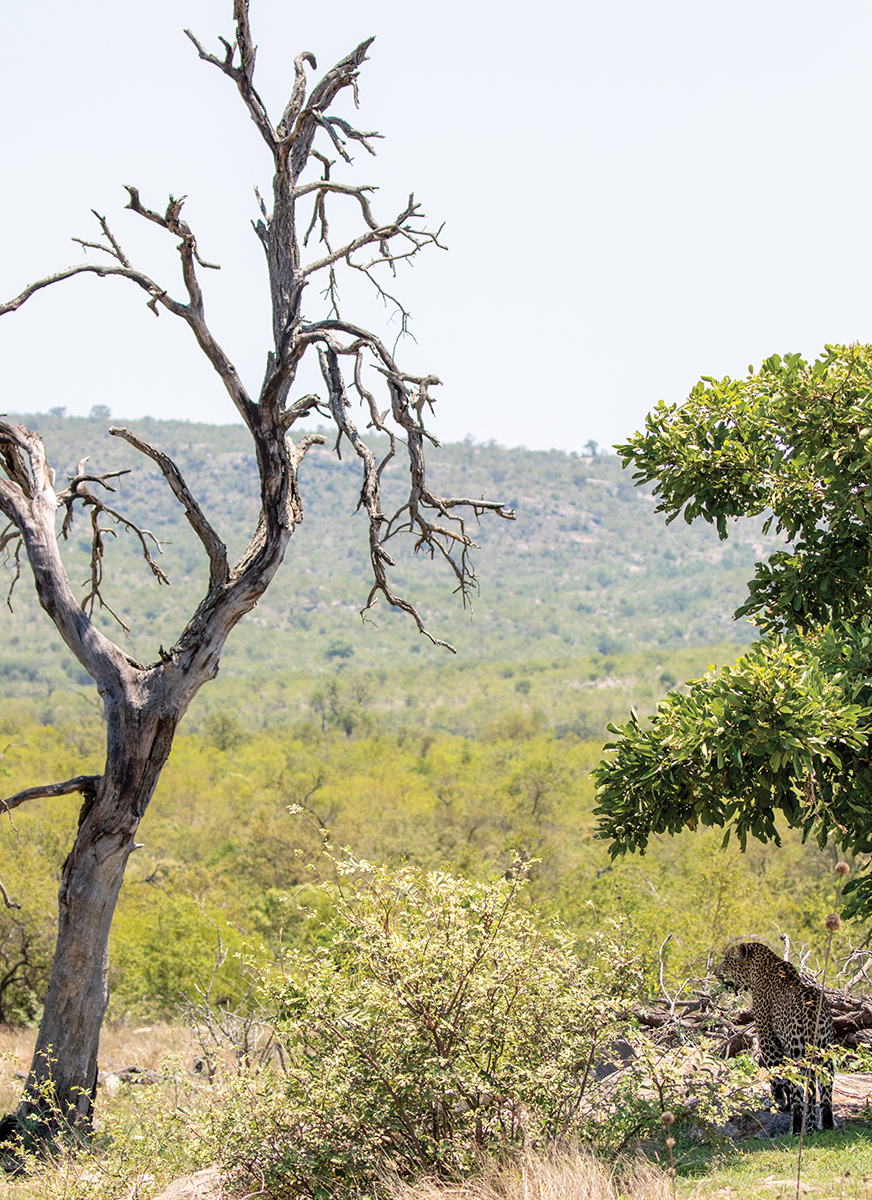
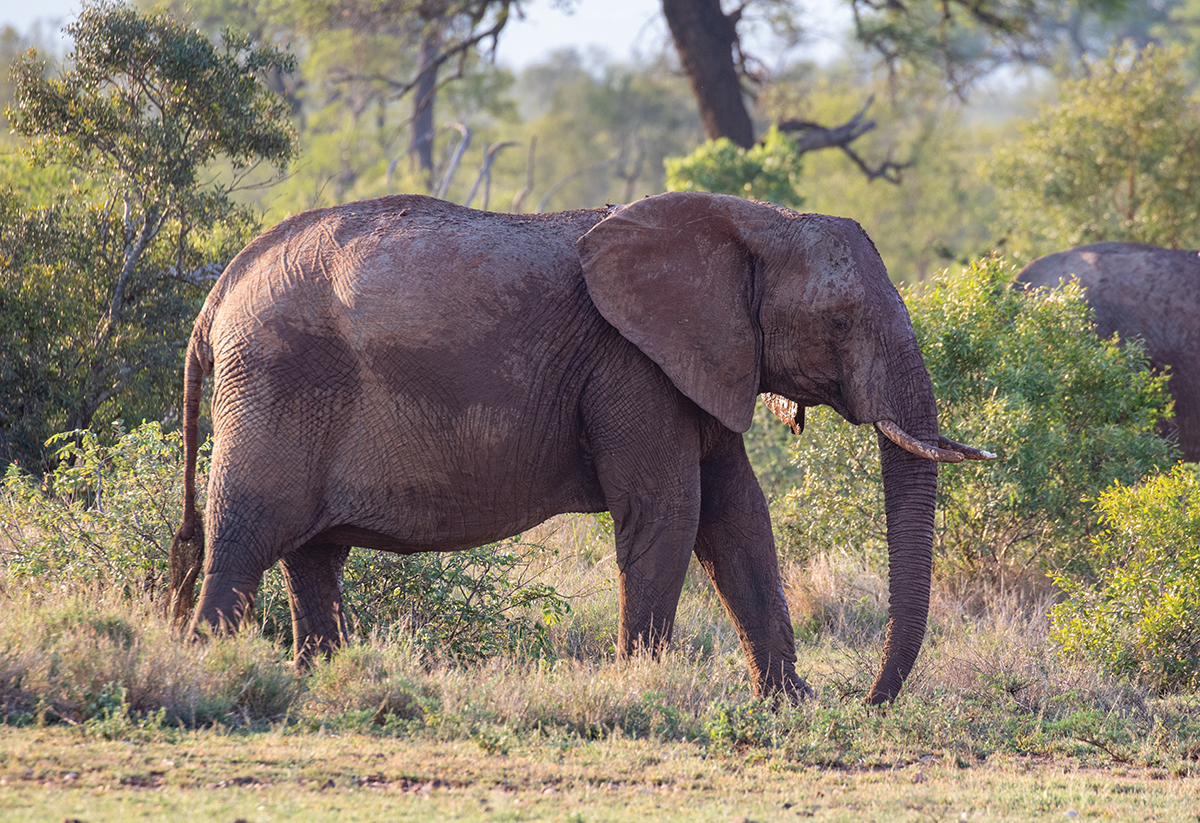
One of them was Michael Warholik, the vice principal of Conn Elementary School. On his trip to South Africa last summer, 18 strangers came together, including teachers from N.C., museum staff, and a tour guide and local educators from South Africa. “The awe of seeing giraffes, elephants, lions and so many other magnificent creatures in their natural habitats is difficult to capture in words,” Warholik says. “All the while, we were building relationships with Zulu teachers who taught us about their history and their hopes as educators, something that helped connect the world in a more nuanced way for me.”
Warholik returned to his regular life reaffirmed in the knowledge that there are endless things yet to learn, that there are always new perspectives to explore and that being a well-nourished person makes him a better educator.
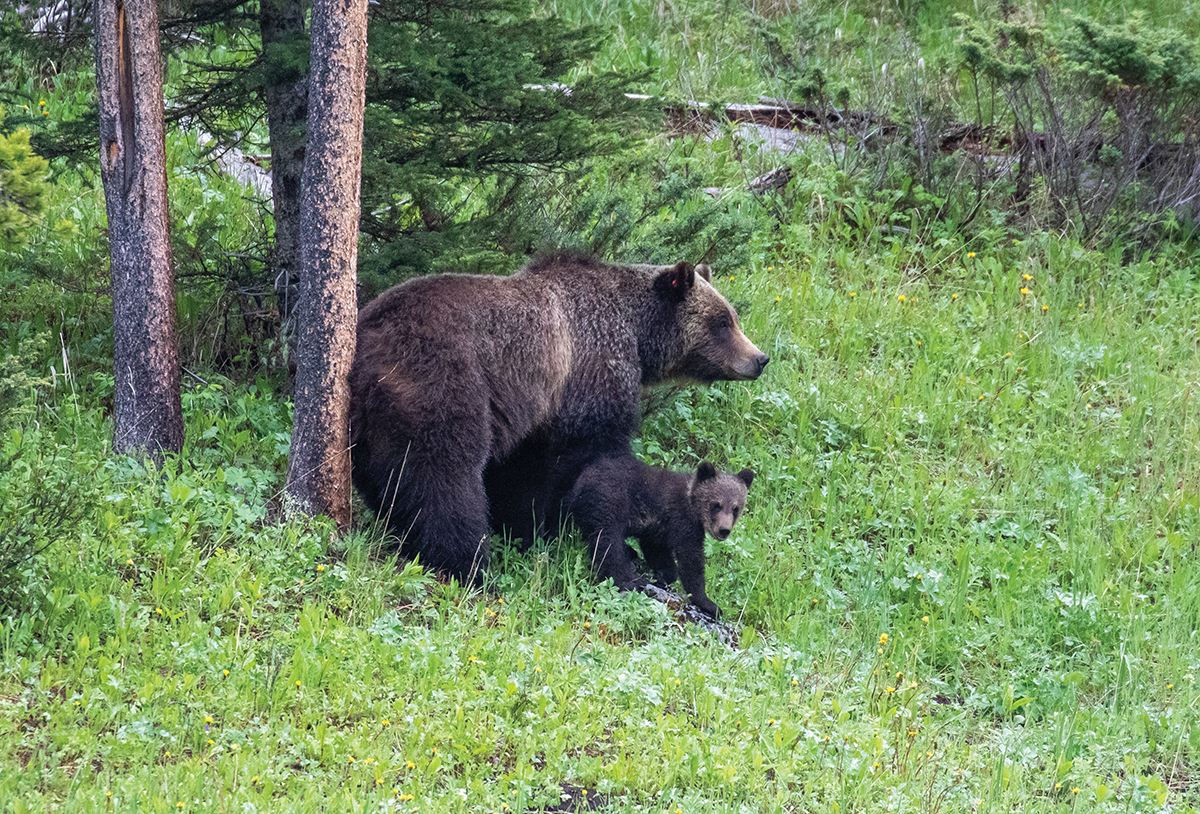
Not to mention, he’s now part of an active group chat composed of those 18 former strangers, who now check in on each other, offer support and share memories. “I feel sure that I am a better educator today because of what I learned from each person on the trip,” Warholik says. In late July of this year, a new group of teachers will fly to Cape Town with museum paleontologist Dr. Christian Kammerer, who’s newly on board the leadership team.
The 2026 institutes began in January with a Winter Institute to Yellowstone National Park (a new group will visit this month for the Summer Institute). Liz Peeples, a humanities teacher at N.C. School of Science and Math, spent 10 days with her group in Yellowstone in June of 2024.
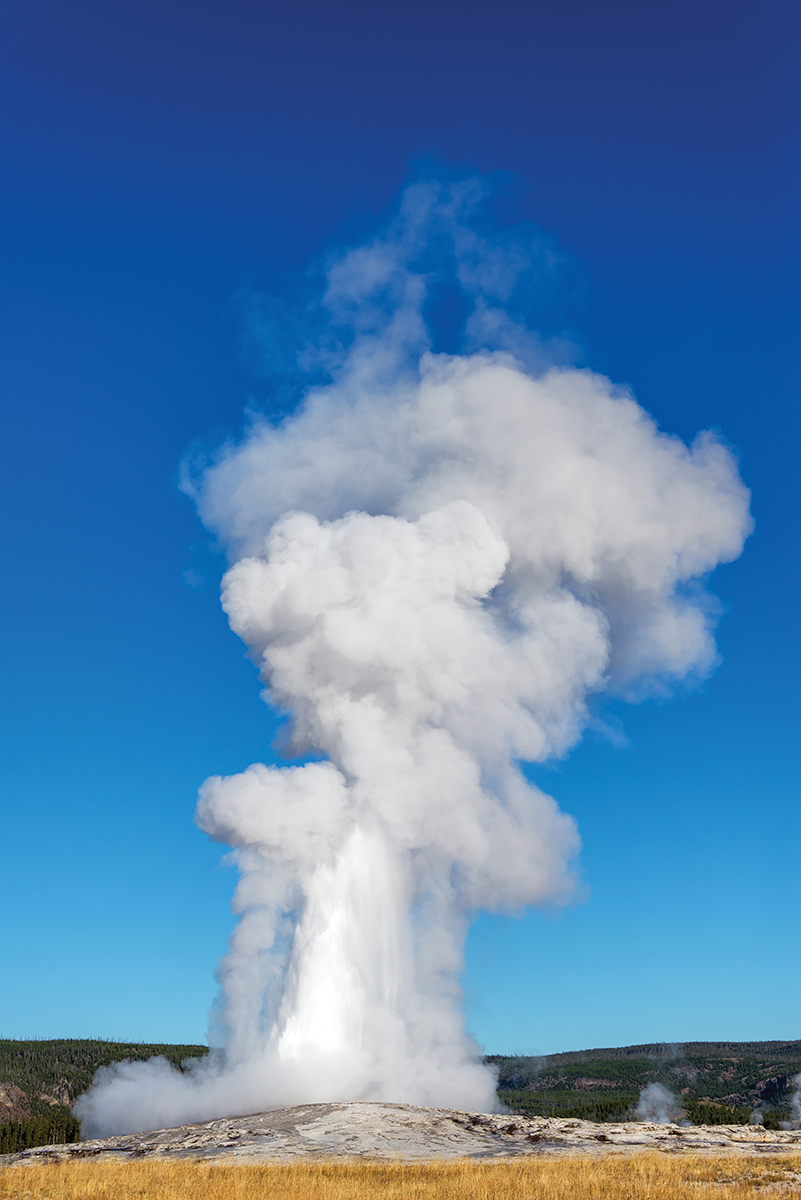
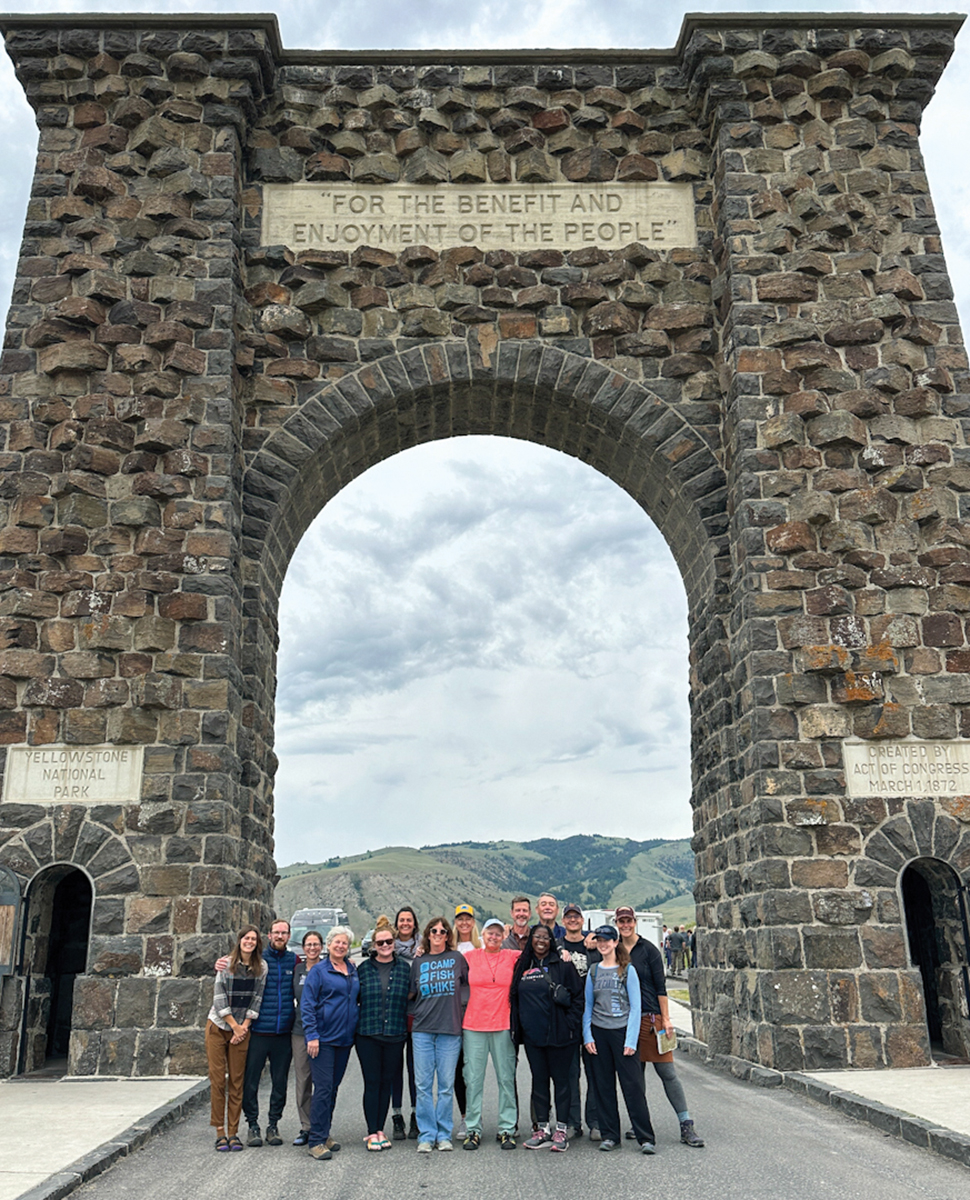
“Getting out in the field around sunrise and staying until sunset, we made the most of our days together in that wild and beautiful landscape,” Peeples says. “Whether we were meeting with a wolf biologist or lying on the ground at Black Sand Pool to feel the thump of the hot spring, we immersed ourselves fully in learning, adventuring and attending to our experiences in nature.”
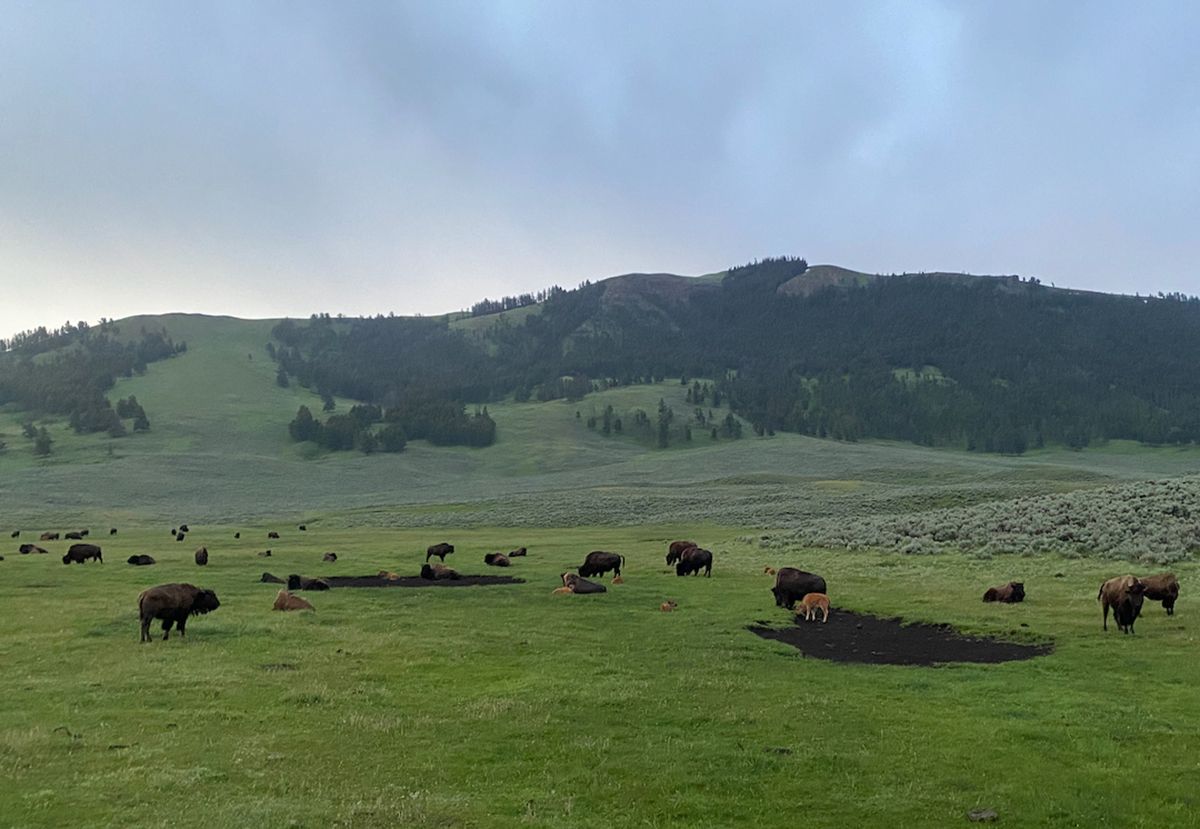
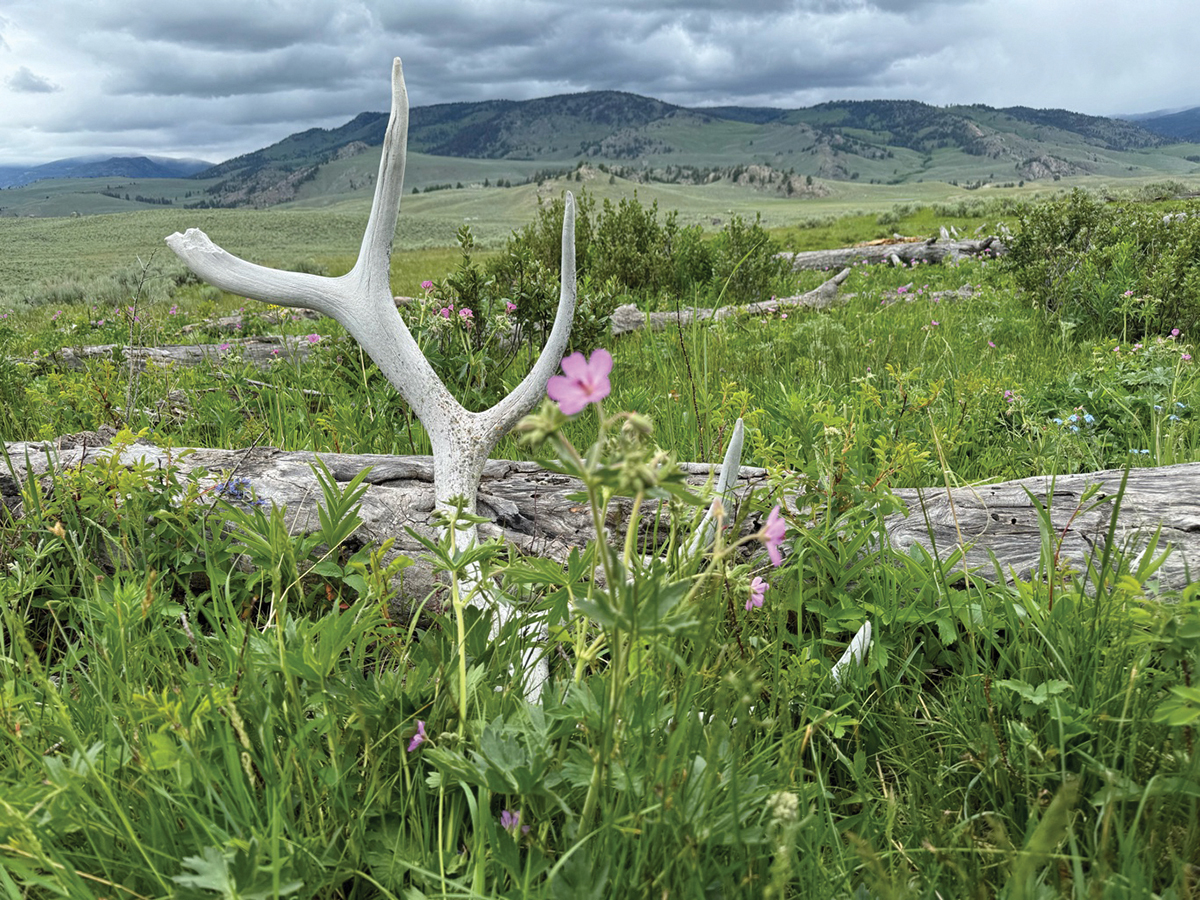
They hiked to an abandoned wolf den, passing sage bushes along the way, having just learned from the expert that the local wolves smell like sage from living among the plants. They discovered bleached bones, including a bison skull and a complete set of elk antlers.
During her trip, Peeples internalized her experience using journal prompts and talking-partner reflection questions provided by their guides, a concept she now uses when she travels with her own students. “I loved the way our guides and the experts we met in the field were so passionate about the work of paying attention to the natural world and being intentional in their curiosity and learning,” she says.
While on their trips, participants also post daily updates via a blog where students back in North Carolina can follow along and ask questions.
Ultimately, the Educators of Excellence program is all about inspiration. “As teachers, we’re so busy doing all of the things all of the time that we aren’t afforded the opportunity to slow down and rest,” Peeples says. “While we were definitely on the go while in Yellowstone — I look back at my journal and am amazed at how much we did — the time there felt like ours, during which we could consider our places in this natural world and further our commitments to helping our students do the same.”
Agrees Dowland: “Teaching is a field that can be incredibly challenging. This program helps teachers rediscover the wonder that comes from being a learner.”

This article originally appeared in the June 2026 issue of WALTER magazine.