These hardy, towering trees with multi-colored flowers are important contributors to North Carolina’s landscape
by Mike Dunn
When I bought our 14 acres in Chatham County back in 1995, the steep topography and large hardwoods reminded me of the mountains of Virginia that I wandered as a child. As we started planning the construction of our home, I would climb up a stepladder at different points on the site to get an idea of what the view out over the ravine might be.
Once I chose the general area for the house, I started looking at the nearby trees to decide what I wanted to save from the construction. One large tulip poplar stood out. Though it was a considerable size — about 4 feet in diameter and close to 90 feet tall — it was not the largest tree on the property. Rather, it stood out because I had never seen one quite like it.
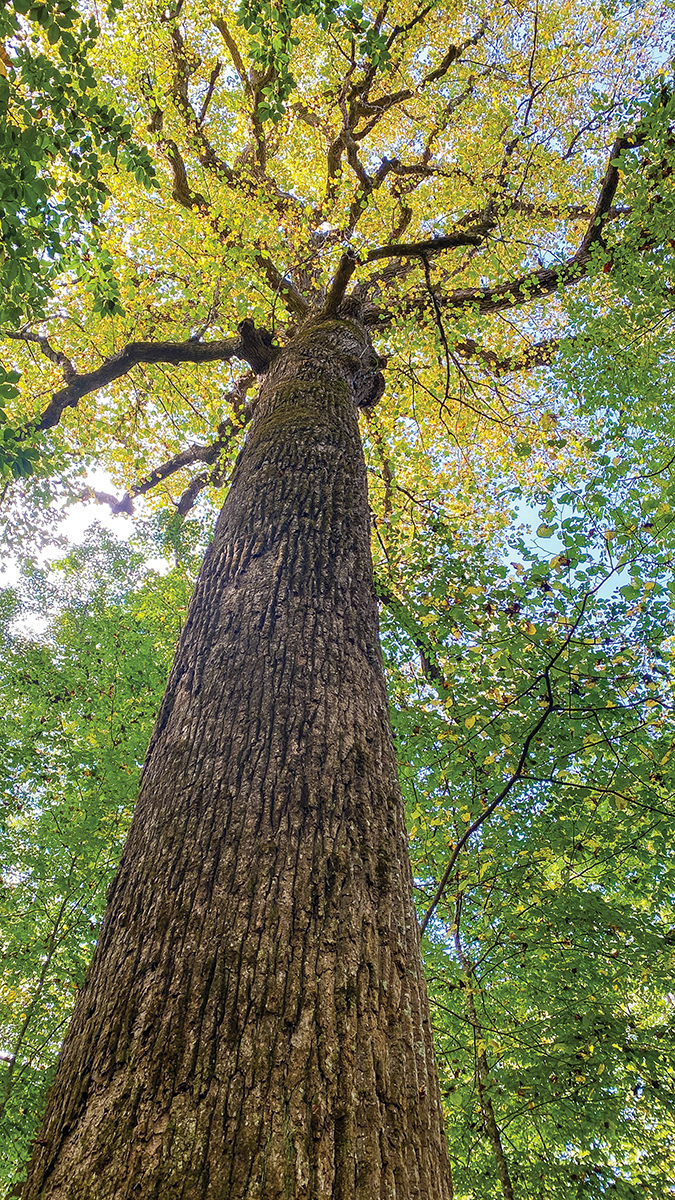
Tulip poplars are known for their tall, straight trunks covered in thick, gray furrowed bark with an interlacing ridge pattern. But this one had fist-sized bumps sticking out from under the bark all along its trunk. These bumps were new to me. Talking with botanists, it seems these are most likely tree burls triggered by bacteria, fungi or a virus. This unique tree deserved to stay, so I moved the house site to preserve it. Even though I still worry about its massive size and proximity to the house when storms come through, I cherish the beauty of its unusual bark in the late afternoon sun. And fortunately, the tree still looks healthy.
Of course, we did need to take down several other trees for construction, including some tulip poplars. I really wanted to use some of the wood from these trees for projects around the house. Tulip poplar wood is strong but easily worked, compared to some of the other trees we had to cut, like hickories and oaks. I carved a large fruit bowl out of one log and used a chainsaw to make boards out of another. I talked to the builder and he agreed we could use the straight trunks from two smaller tulip poplars as columns for the front entrance porch. I knew that you could easily peel the bark from tulip poplars in the spring to make bark baskets and other useful items. However, the trees for the columns were cut in the fall, and it turns out that at that time of year it isn’t so easy — it took me hours to shave the bark off the logs. Live and learn, I suppose (though those pillars are still standing!).
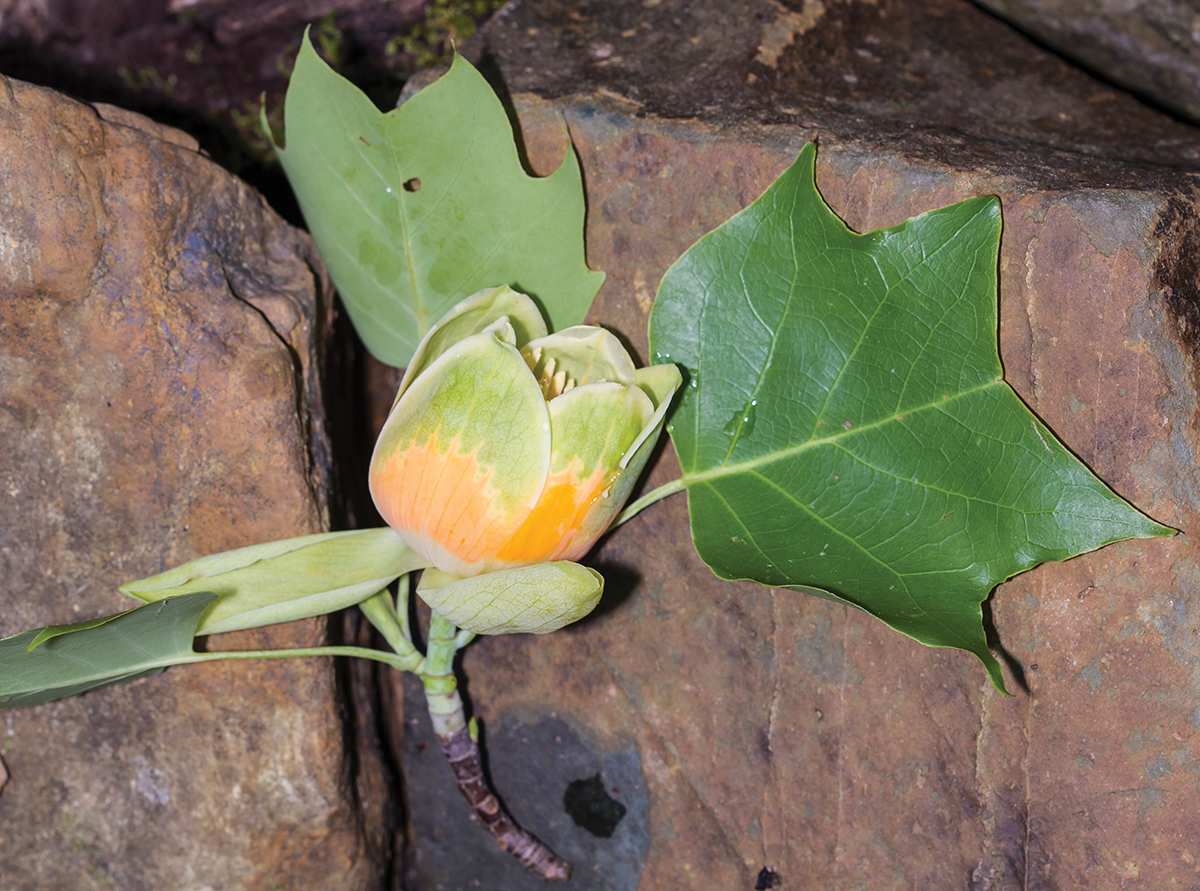
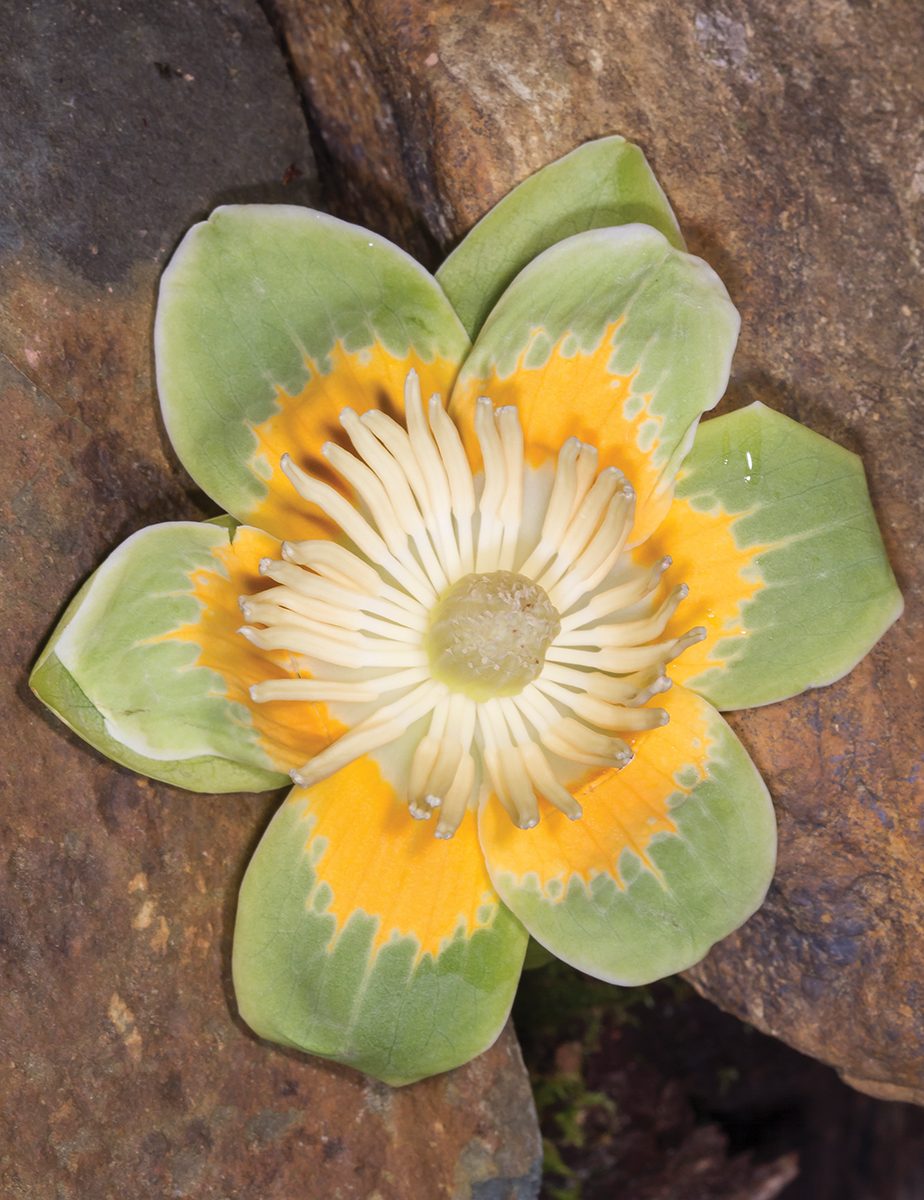
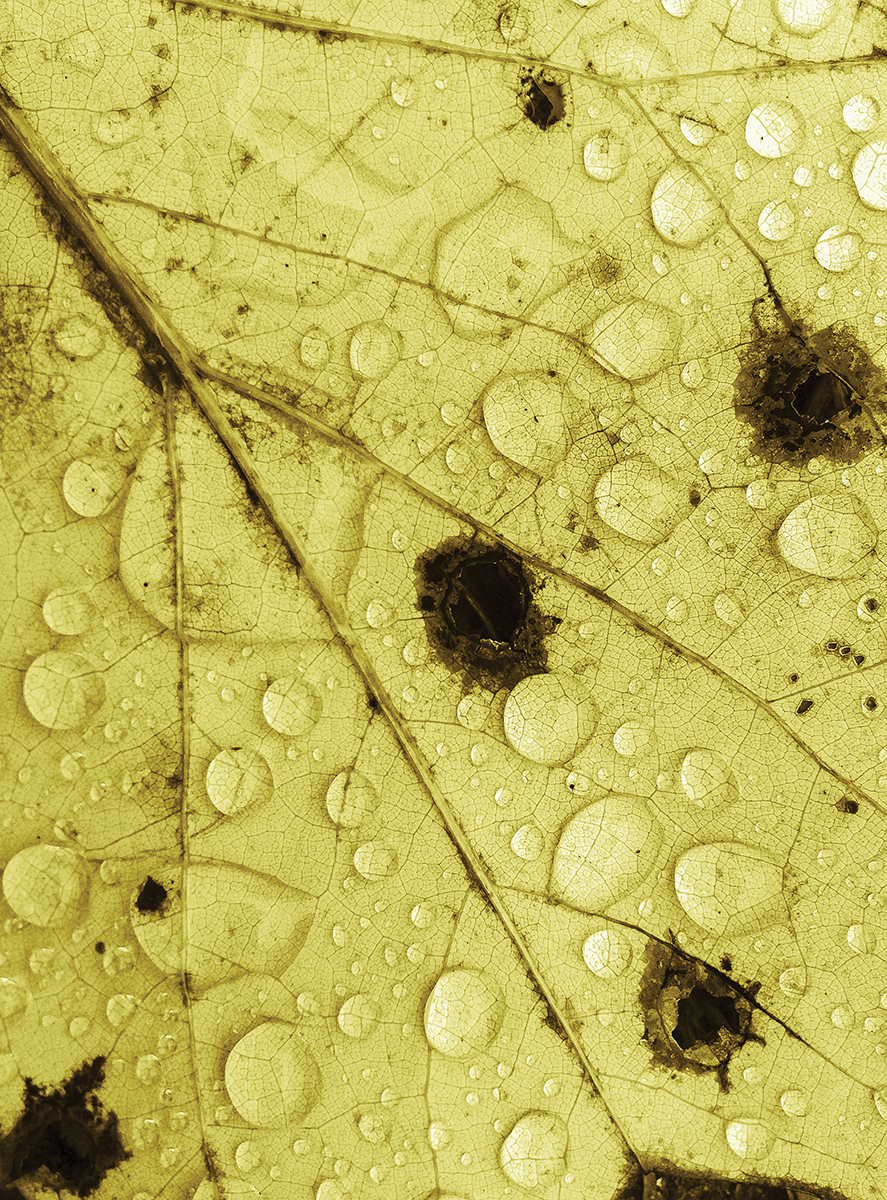
Tulip poplars are found throughout North Carolina and go by many common names, including yellow-poplar and tulip tree. This species is not related to true poplars, but probably got that part of its name because their leaves often quiver in the wind like those of poplar trees. The tulip poplar is actually in the magnolia family and has large cup-shaped flowers like other magnolias. Its scientific name, Liriodendron tulipifera, literally means flower tree and tulip-bearing, and it refers to the large yellow and orange flowers that appear high in these trees each spring. Many people aren’t even aware of these abundant and beautiful flowers, unless they happen to find one laying on the ground below a tree. Even the leaves are tulip-shaped, if held up by the petiole. But to me, when turned upside down, they resemble a rotary telephone (your grandparents will have to explain that one to you).
Tulip poplars are utilized by many species of local wildlife. The flowers are important early-spring nectar sources for many insect pollinators. They are also the primary host plant for one of our most common and easily recognized butterflies, the eastern tiger swallowtail. I let some of the many tulip poplar saplings that sprout in our yard each year grow to serve as caterpillar food. Their short stature makes them an easy place to find the beautiful green larvae, since I would never be able to spot them on leaves 50 to 100 feet off the ground. Many moths also utilize this species as a host plant, with the tuliptree silkmoth and tulip-tree beauty being the most common in our woods.
In the fall, the cone-like seed structures look like short green-turning-to-brown upright candles high up in the tree. The winged seeds (called samaras) flutter to the ground in late fall and winter, especially when flocks of purple finches arrive to feed on them. Squirrels strip off strands of bark from dead limbs to use as nesting material. Just outside our deer fence is the largest tulip poplar we have. It is hollow and serves as the home of several of our wild neighbors, including a family of raccoons, a pair of eastern gray squirrels and the occasional southern flying squirrel. Our abundant deer tend to eat any seedlings that sprout outside our one fenced acre. Luckily, tulip poplars are long-lived trees (200 to 500 years) so there should be some around for generations of critters.
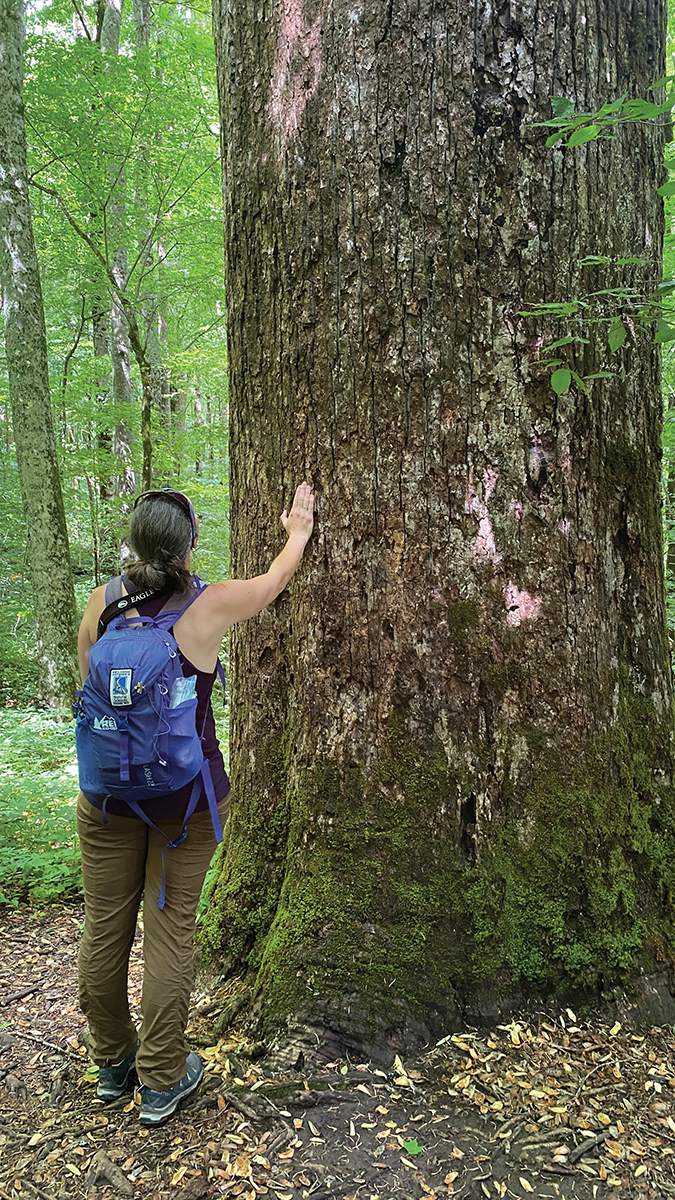
There are a couple of places in North Carolina where you can see some truly ancient tulip poplars. Rich cove forests in Great Smoky Mountains National Park are home to some of the largest. One tulip poplar in the park is thought to be the tallest in the United States at just under 192 feet. Another tract of old-growth forest is preserved in Joyce Kilmer Memorial Forest near Robbinsville. A loop trail through the Poplar Grove has some massive tulip poplars with circumferences of up to 20 feet. Many of them tower over 100 feet above the wildflower-rich forest floor.
Closer to home, you can visit the famous Davie Poplar on the campus of University of North Carolina at Chapel Hill. The tree was said to already be huge when the university was chartered in 1789. It has survived vandalism and a lightning strike and now shares the campus with some large trees grafted from the original Davie Poplar. In 2024, a large colony of chimney swifts was discovered roosting in it during their fall migration (one of the only modern-day documented cases of swifts using a natural tree cavity instead of chimneys for roosting), giving us yet one more reason to honor it.
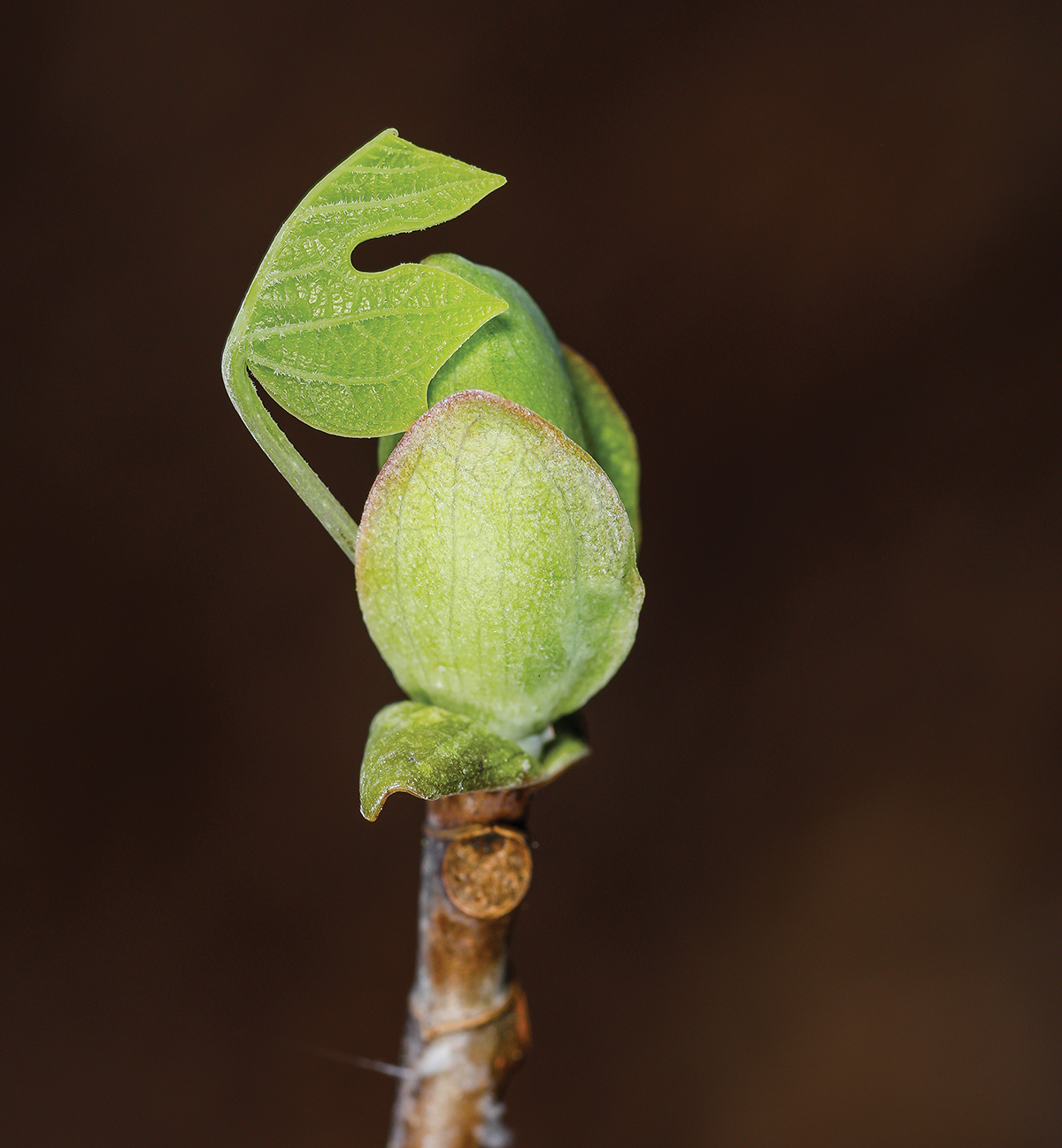
From the delicate beauty of an opening leaf bud to the awe-inspiring height of an old growth tulip poplar, these are trees worthy of our appreciation. The next time you find a large one, walk up to the trunk and touch its ridged gray bark. Keep in mind that this is something that has probably lived for a century or more. Look up at the trunk reaching skyward and admire a living giant that gives so much to so many.

This article originally appeared in the April 2026 issue of WALTER magazine.