This Raleigh’s author’s first book is a coming of age story about sisters growing up in the shadow of a mental health institution
as told to Ayn-Monique Klahre
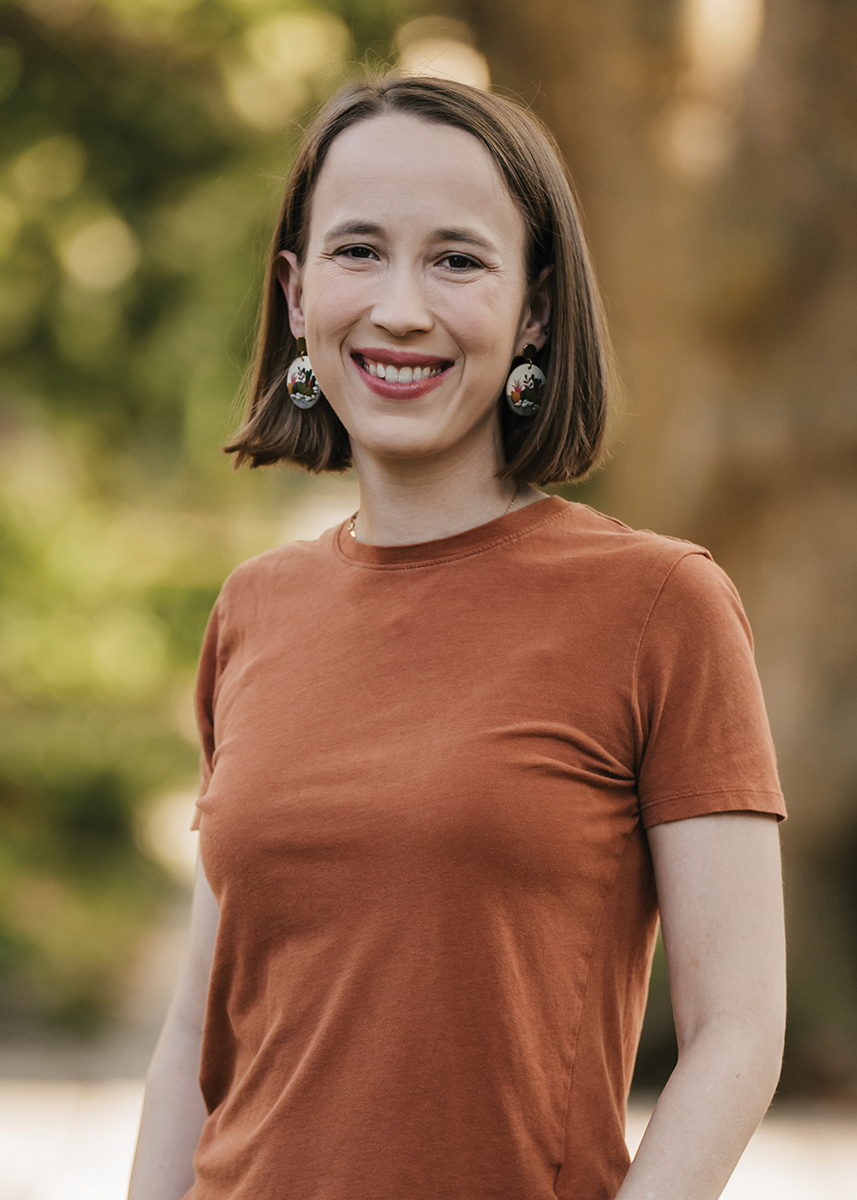
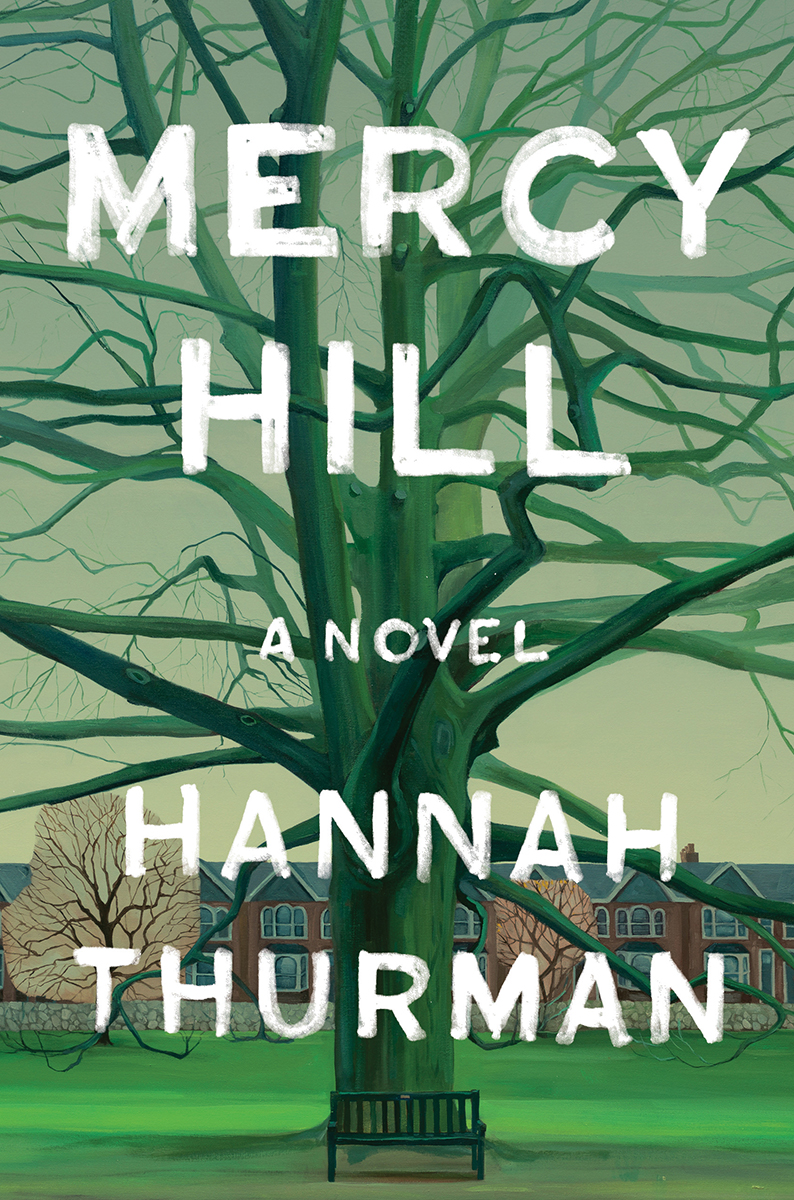
Raleigh native Hannah Thurman has written her first novel — and locals will find it full of references to her hometown. Mercy Hill is a coming-of-age story centered around four brilliant sisters who live on the grounds of a state mental hospital that’s run by their mother. The setting is both insulating and isolating, informing their perspectives about relationships, health care and their responsibility towards others in unique ways. We sat down with the author to learn more.
Have you always been a writer?
I am a proud product of the University of North Carolina at Chapel Hill’s creative writing program! After I graduated in 2011, I moved to New York City. I got a job at an advertising agency, but kept writing as a hobby and a passion. I thought I might be a short story writer, but I did have some ideas for novels. I did most of the writing for what became Mercy Hill in 2019, but then I had a baby, so it took a while to get it to publishers.
Do you have a background in healthcare?
I don’t have an academic training, but the agency I work at does pharmaceutical marketing, so I do have a lens on mental health and how the way it’s been managed has changed over time. We have more tools now.
How did you choose the setting?
The idea of setting the story at a fictionalized Dix Hospital came from the fact that my mom worked there in the 1980s. She was a speech therapist, and got an offer to live on the grounds, but never did — though in writing the book, I have come across a lot of people who grew up on the grounds of a similar institutions. I thought that would be an interesting premise: What kind of life would that create for a family?
Raleigh readers will recognize several fictionalized landmarks. How much of this story is based on real life?
I want to state early on that my mom is not the mom from the book. And I do have two sisters, but our family dynamic is nothing like the one in the book! The girls’ school is loosely based on Ligon Middle School and Enloe High School, where I went, so that informed some of the observations that Denise, the main character, has about public and magnet schools. But I left in some real details, like references to Chavis Heights and Crabtree Valley Mall, to help ground the story while still taking some artistic liberties. What’s interesting is that Dix is a completely different cultural touchstone now than it was when I started the book. Now I have a 5-year-old who climbs all over the trolls — it’s his favorite playground.
What do you hope that readers will get from Mercy Hill?
The family and the hospital are really connected — Denise grows up in this crucible, but the family is also affecting it. It also represents that they’re part of the larger system, especially as Denise gets to the outside world. We explore how her mother’s upbringing, her religious trauma, affects how she acts towards her daughters. As you read how Denise intersects with people not like herself, when she feels compassion or discomfort, I hope it makes you think about your own experience. What might things be like for people nearby, but not in your community?
This interview has been condensed and edited for clarity.

This article originally appeared in the June 2026 issue of WALTER magazine.