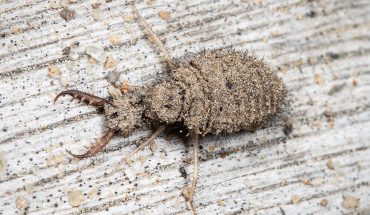
The foot, paw and claw prints that native animals leave behind can teach us a surprising amount about how they communicate with the world. Which ones can you ID?
by Mike Dunn
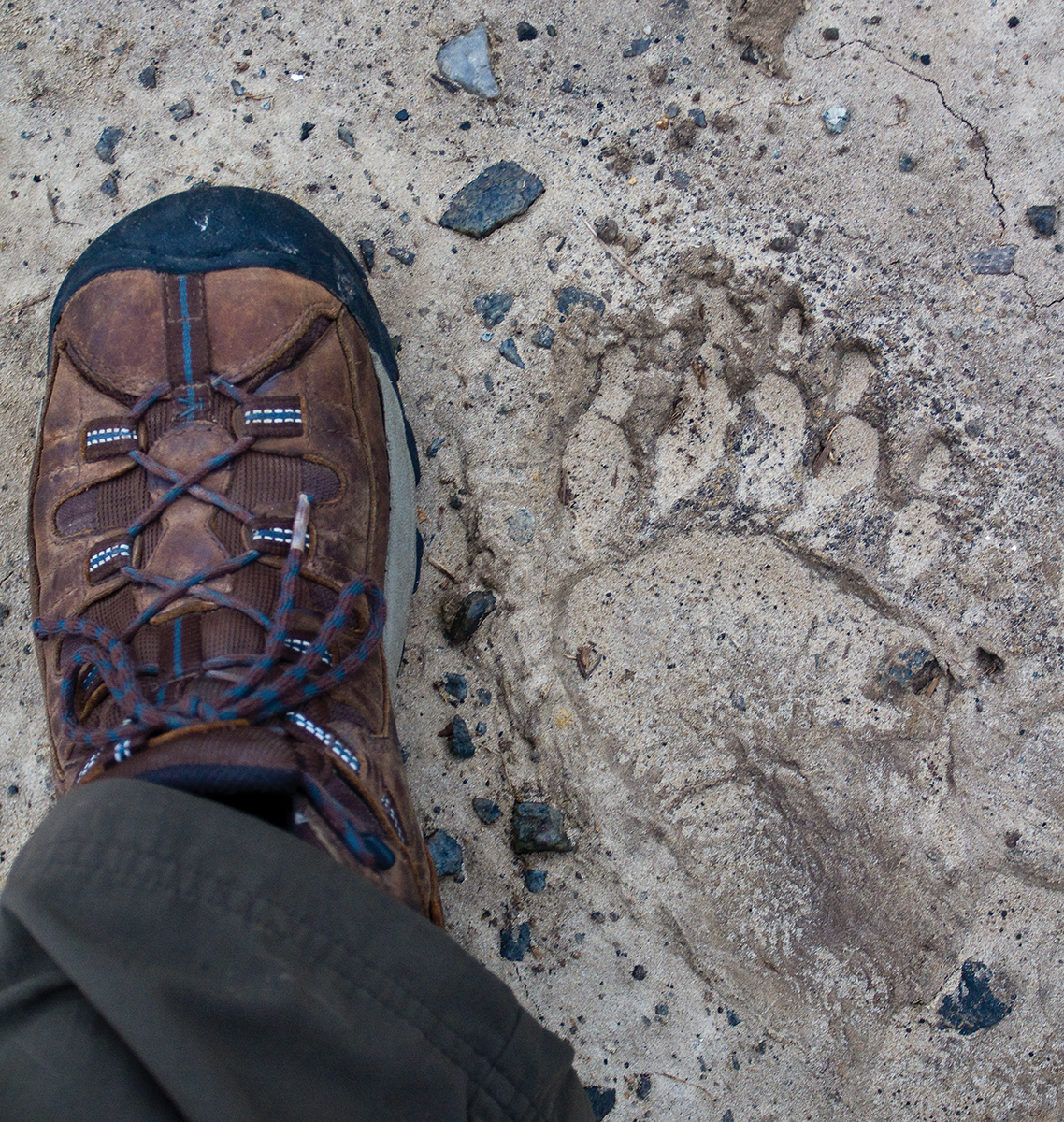
I first learned about animal tracks when I was a young boy following my dad through the woods as we hunted for deer. The initial lessons were pretty basic: What animal made this track? Which way was it going? Was it walking or running? I was fascinated that you could learn something about animals around you even if you never saw them.
Of course, an animal passing through a habitat may leave traces of its presence besides just the impressions of its feet in the substrate. These include scat (animal droppings), pieces of fur or feathers, signs left by feeding (like chew marks or prey remains), and territorial marks (like rubs or claw marks on trees).
The first step in learning about animal tracks is finding them. Whenever I am walking along a waterway, I look for mud banks or sandy deposits. Beaches are also great, as are trails through the woods with bare soil exposed. And snow (remember when we used to have that?) is obviously a great place to find tracks. The substrate can make a big difference in the appearance of a track. Mud and snow can make a track seem bigger, since these softer substrates displace more easily. And the passage of time and weather can lead to distortions in the track, making it more difficult to decipher.
To identify tracks, I suggest getting a field guide (there are many to choose from), a ruler and a camera. Then start looking. As with most things in nature, your track probably will not look exactly like the drawing or photo in the field guide. But there are things that can help you narrow your choices, including the size of the track, the number of toes, the presence or absence of claw marks, and the track pattern.
The pattern can often be more useful than the track itself. Let’s say you find a track in the snow that has four toes and shows claw marks. That tells you it is probably a canid (dog family) track, as a felid (cat family) has retractable claws. But is it a domestic dog, fox or coyote? Size will narrow the choices, as fox tracks are generally smaller than those of coyote. But what about dogs? It can be tough to tell from the track alone as there are so many breeds and sizes of dogs. Fox and coyote tracks tend to be a bit oval in shape, whereas most dog prints are more round in outline, with the toes splayed out a bit more. Then there is the walking pattern itself. Wild canids like foxes and coyotes tend to walk in a rather straight line, often with a direct register (hind foot lands in front print). This is a more energy-efficient way of walking and, if you are a wild creature, that matters. Domestic dogs tend to meander and have an irregular path.
One of my favorite track experiences happened many years ago while working at the North Carolina Museum of Natural Sciences. I was leading a guided trip to a wildlife refuge in eastern NC. With the permission of the refuge, I drove onto a normally closed road and parked at the edge of the woods. I hoped to show my guests some bears in the wild. We walked the woods for a few hours seeing lots of bear signs (well-worn trails through the woods, scat, rolled logs, claw marks on trees) but no bears.
However, when we got back to my car we were amazed to find 32 muddy paw prints from two different bears (based on the size differences in the prints) all over my vehicle. There was no food in the car, so I am guessing they were just curious about what this thing was in their “backyard.” I didn’t wash that car for weeks afterward and got plenty of interesting stares and comments.
If you want to preserve tracks you find in the soil, you can make plaster casts. Mix some Plaster of Paris with water to the consistency of pancake batter, then pour the wet plaster into the track impression. The cast will harden in a few minutes (it takes longer in cold weather). Then, gently pry the cast out of the soil and you have a great raised impression of the animal’s footprint. Over the course of my career as a naturalist, I taught this skill to countless teachers and students. It is a great way to take home a memory of a field experience. I even helped some schools build track boxes on their grounds to see what animals might be roaming the area. If you want a better chance of finding tracks at home, you can either clear a muddy spot or make a simple bed of sand somewhere that wildlife is likely to traverse. You can bait the track box with pieces of apple or birdseed and see what animals leave their tracks in the sand.
Paul Rezendes, author of the excellent reference Tracking and the Art of Seeing: How to Read Animal Tracks and Signs, describes tracks as “an animal’s signature, a way in which it communicates to the world.” I still get excited when I see a track and enjoy trying to figure out what the animal is telling me about its life.
How many animal tracks do you recognize? Below, find the tracks of a few of North Carolina’s common species of wildlife. Use the clues to help, or find the answers at the bottom of the gallery.

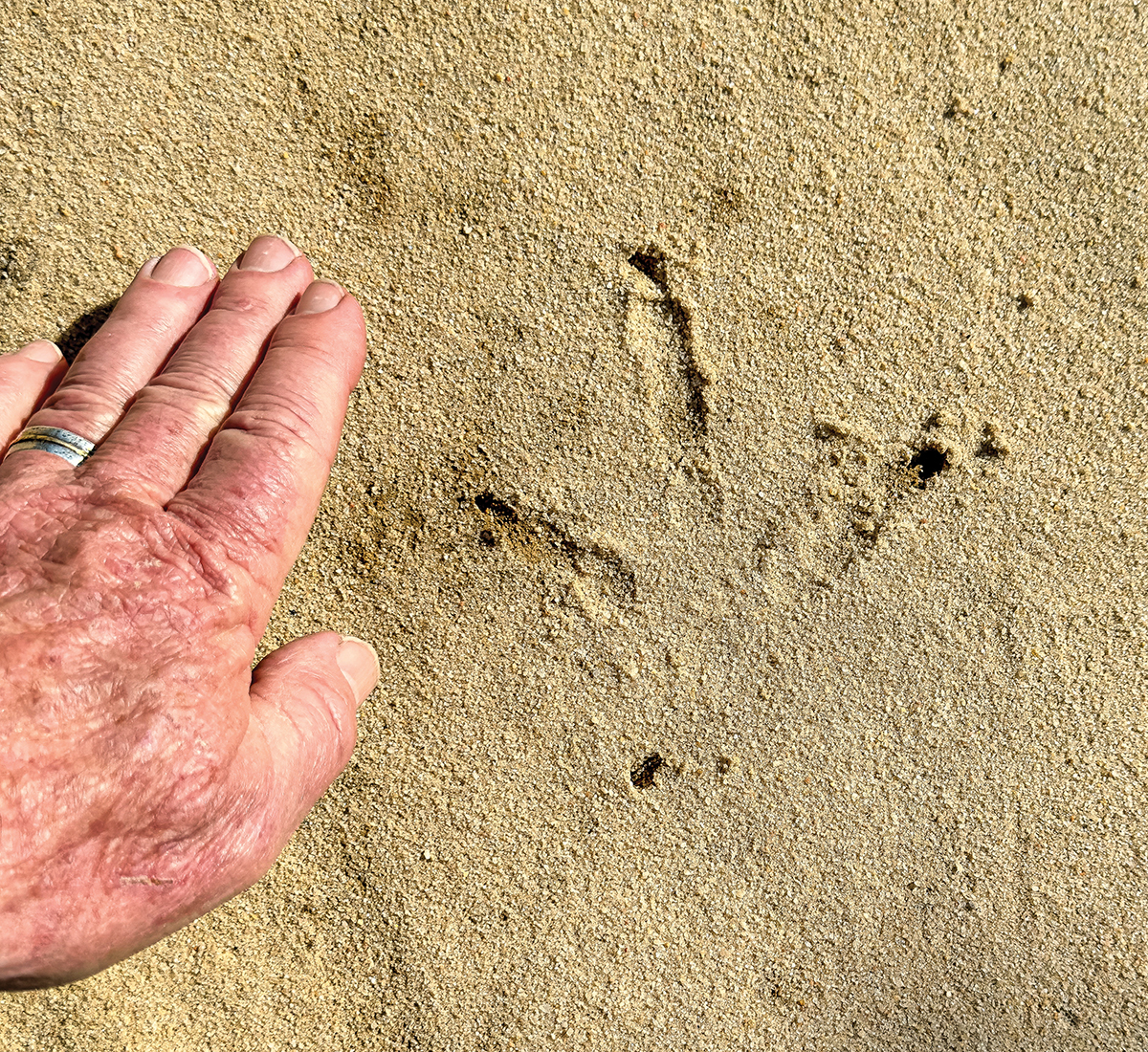
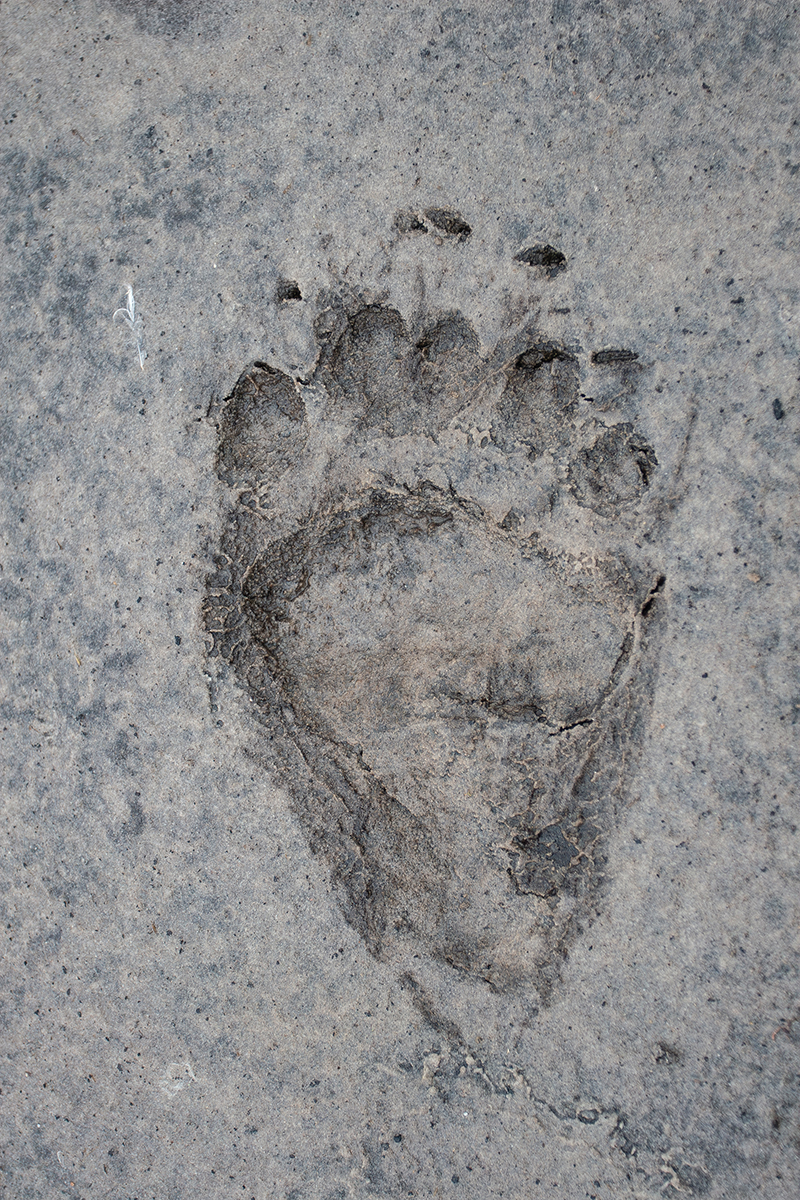
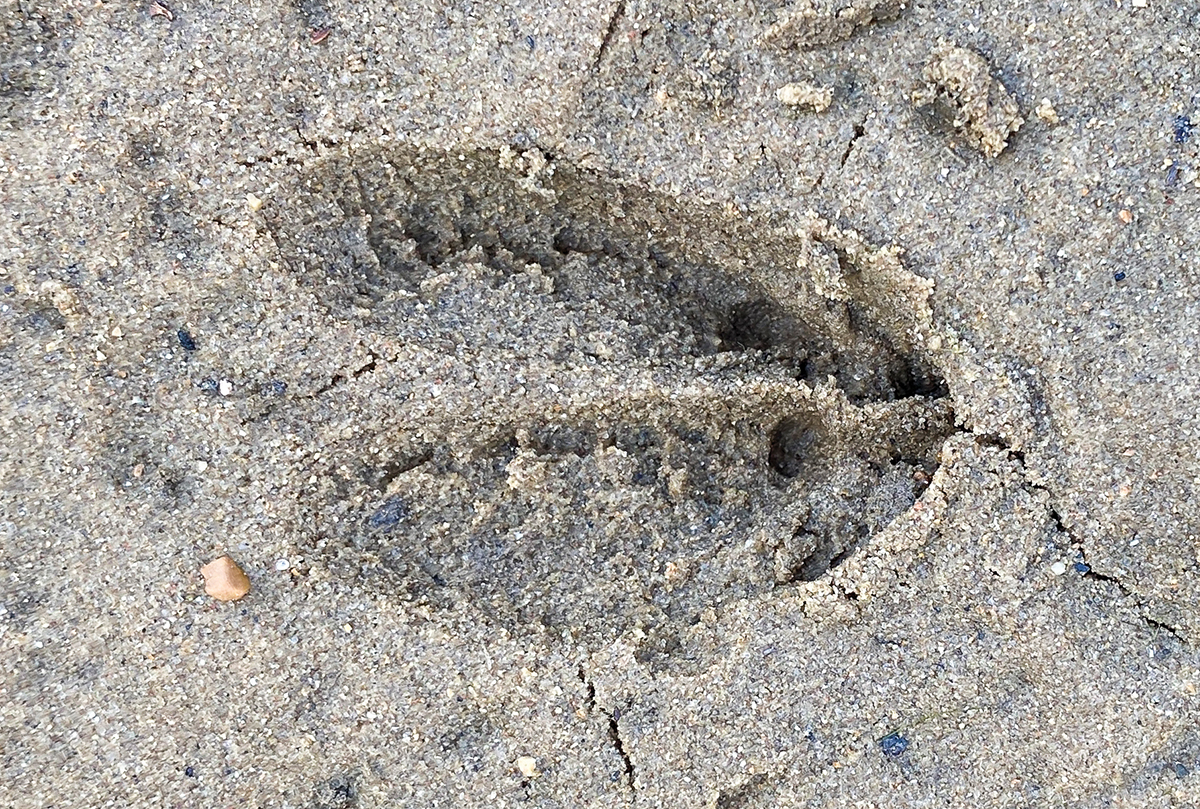
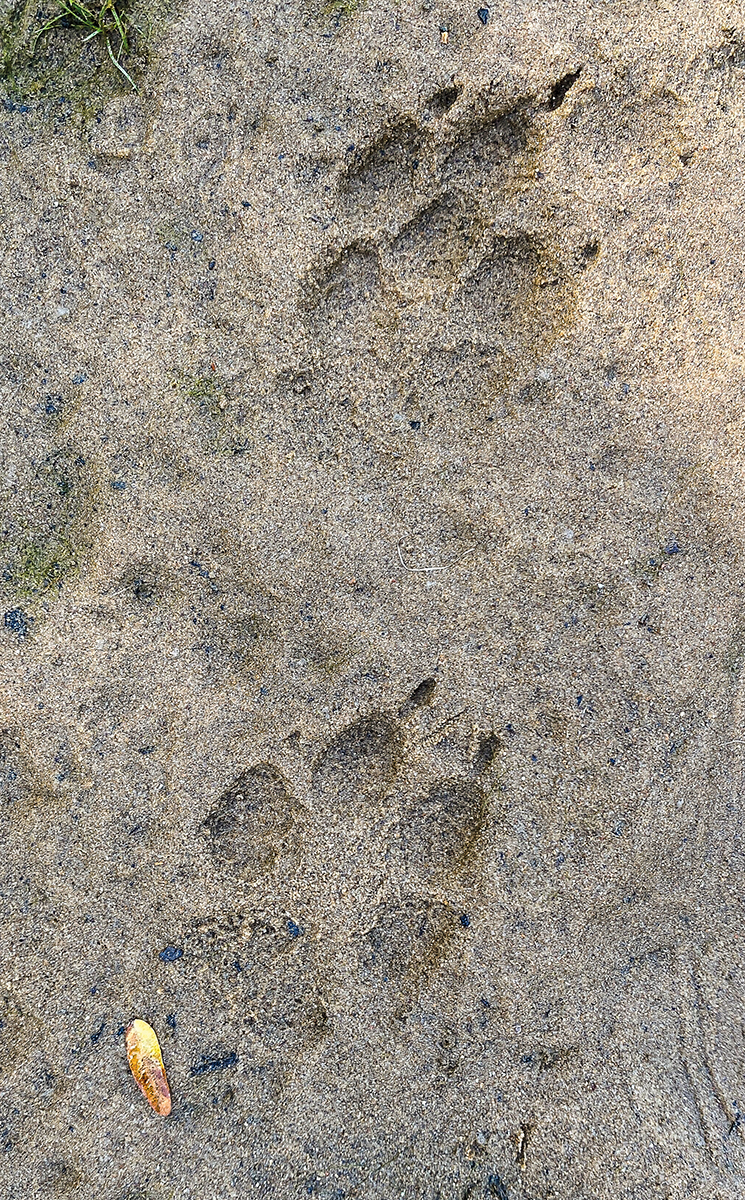
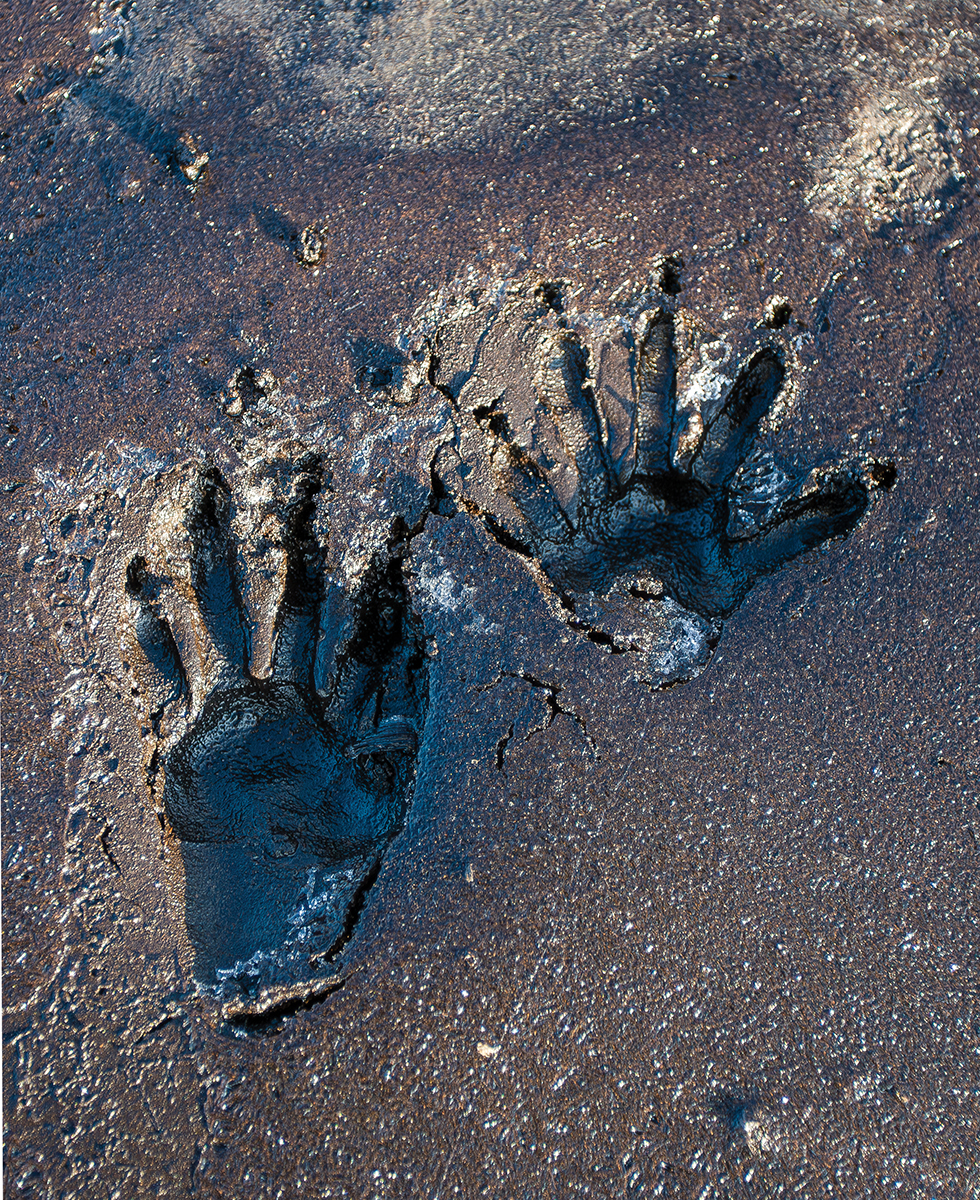
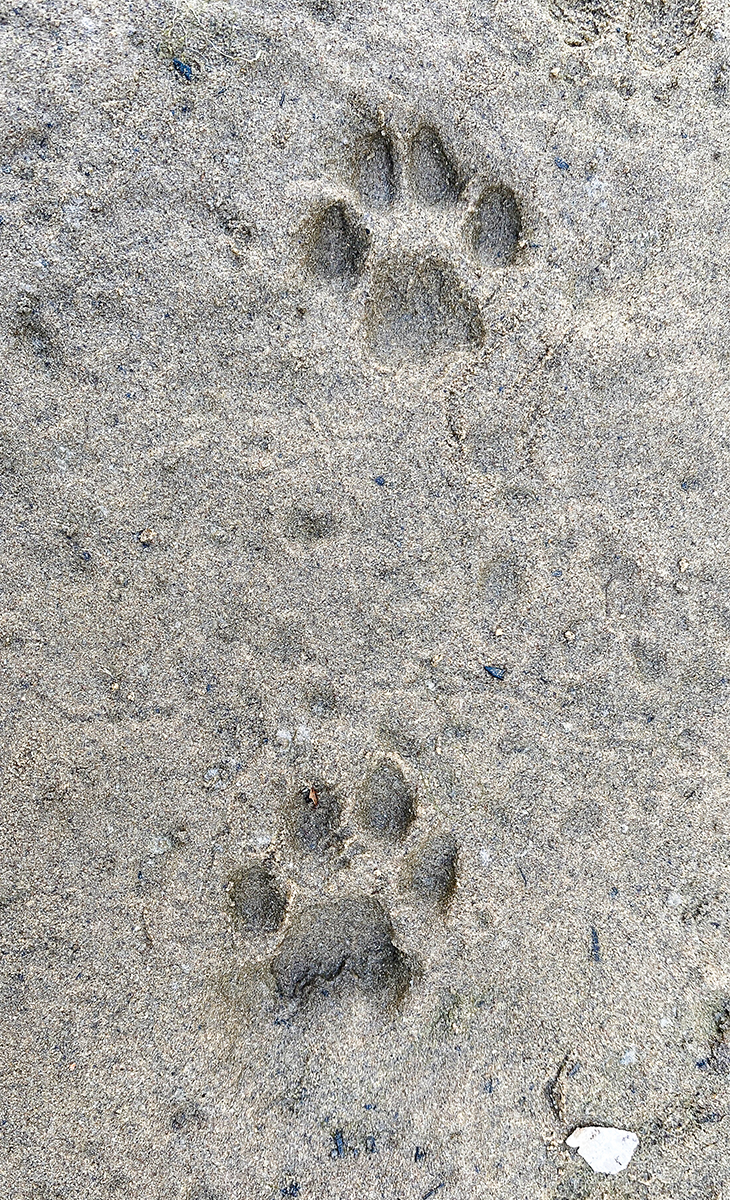
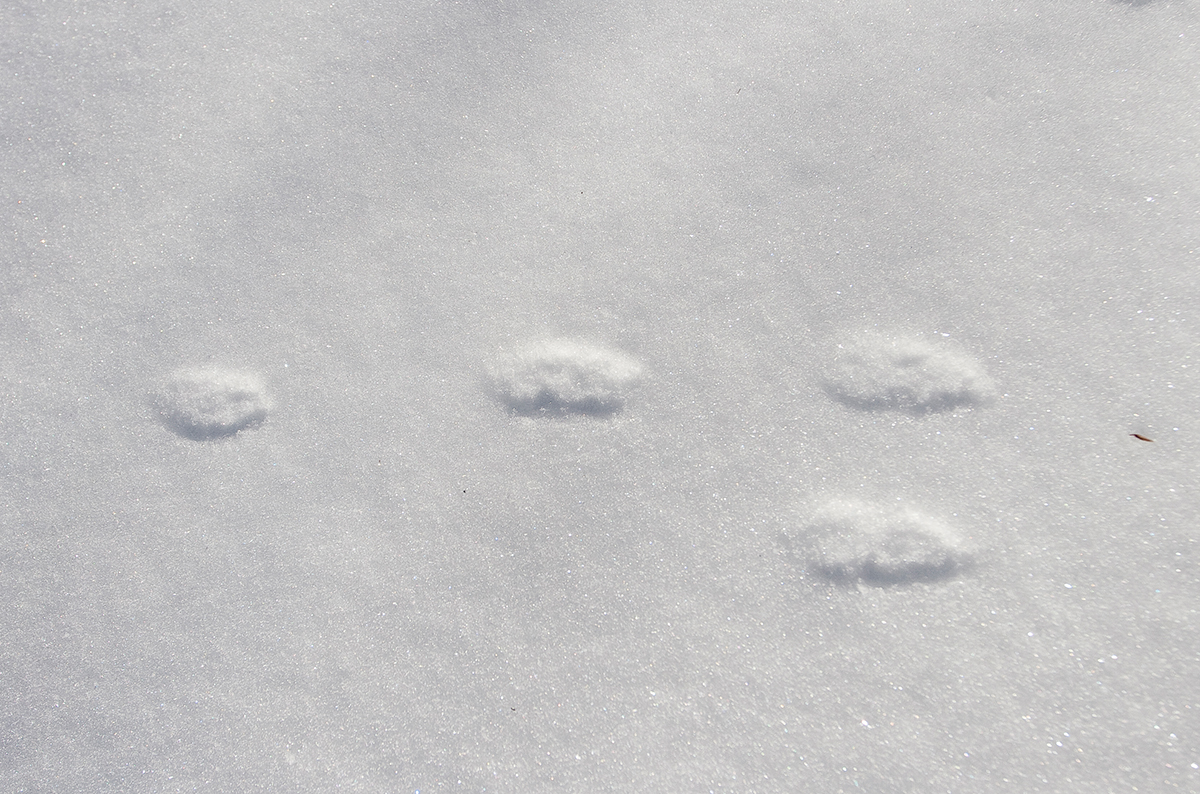
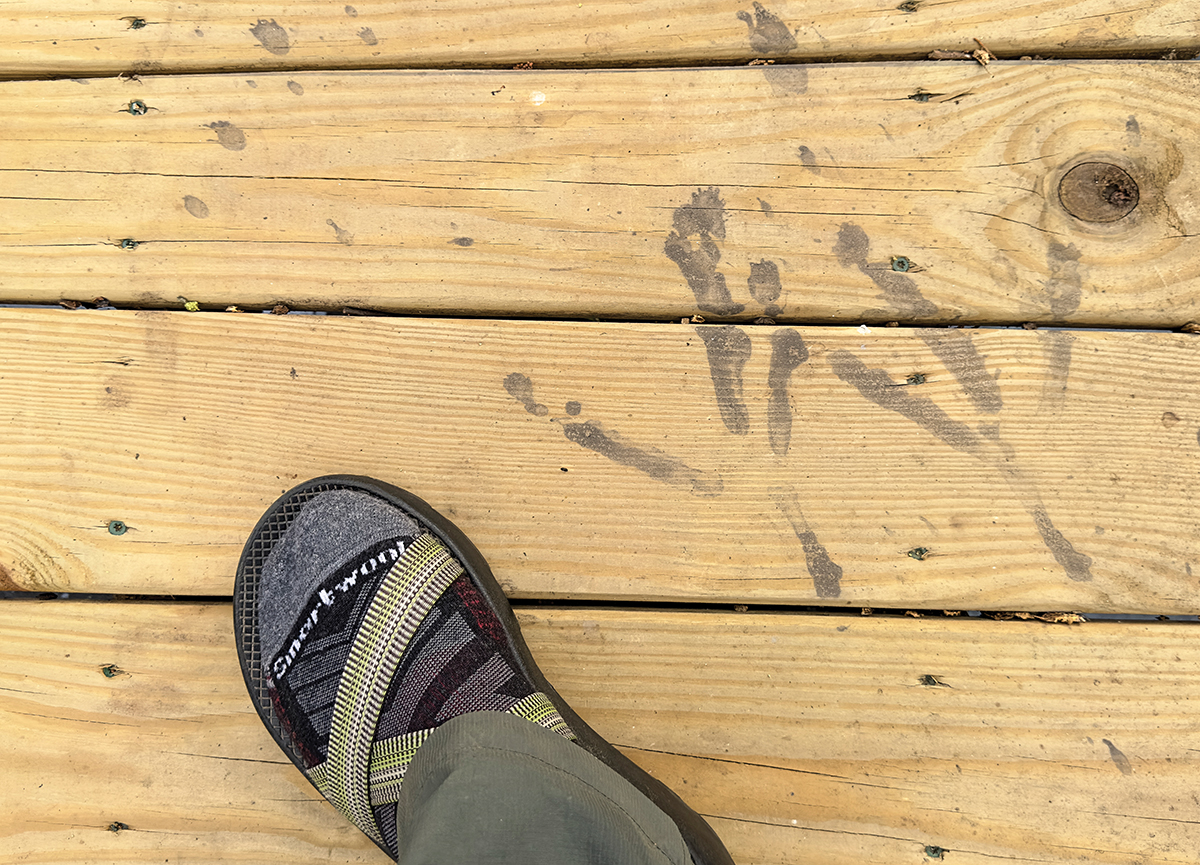
Answer Key:
A: Wild Turkey
B: Black bear
C: White-tailed deer
D: Coyote
E: Raccoon
F: Bobcat
G: Eastern cottontail rabbit
H: Great Blue Heron

This article originally appeared in the January 2026 issue of WALTER magazine.