A 175-year-old Oakwood residence — the oldest residence in Raleigh on its original foundation still being used as a single-family residence — is full of history and mementos from around the world
By Rachel Simon | Photography by Trey Thomas
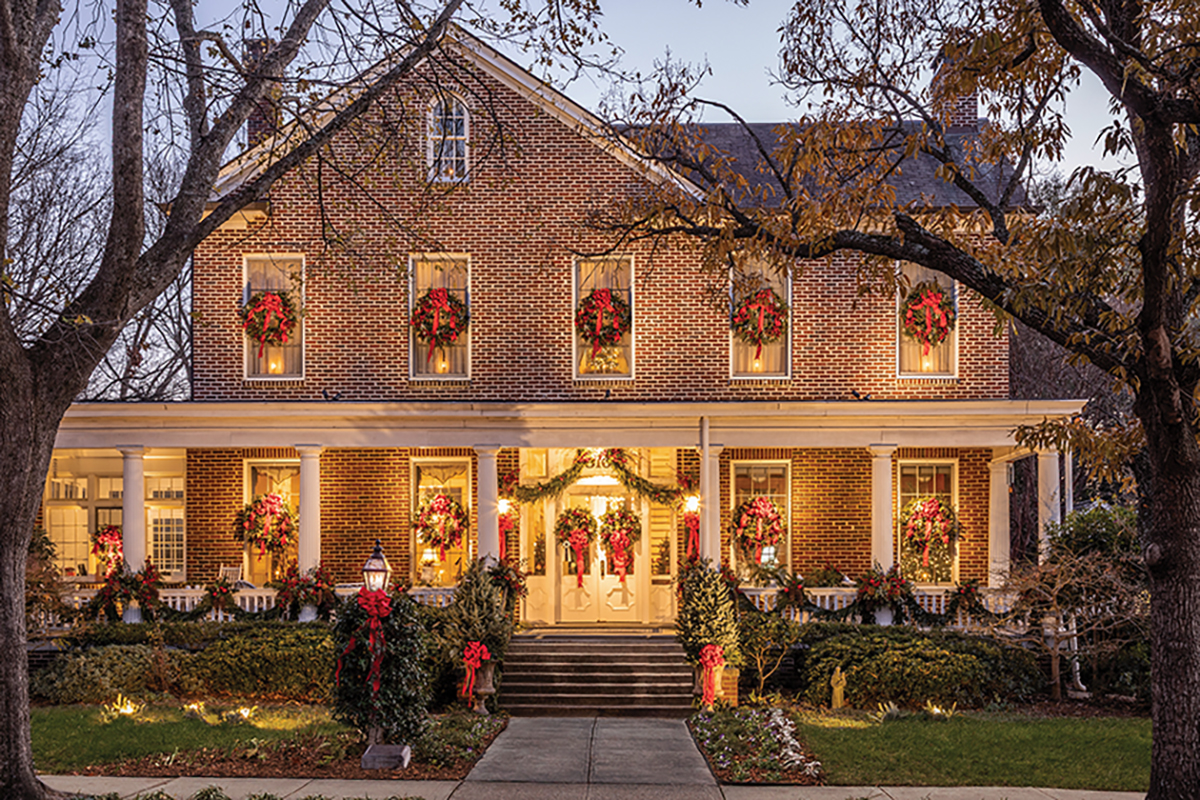
When Ann Robertson and her husband, Hans Linnartz, first visited the sprawling Historic Oakwood house that would become their home, in 2009, they were simply guests enjoying one of the many parties the historic property had seen over its lifetime. Yet the couple were so taken with the expansive layout and unique legacy — built in 1851, 516 E. Jones Street is the oldest residence in Raleigh on its original foundation that is still being used today as a single-family residence — that when a fellow attendee revealed to Robertson that the house would soon be on the market, she decided to take things into her own hands.
The next day, “I knocked on the front door and said, I’d like to see your house,” recalls Robertson, an immigration lawyer. After touring the 4,800-square-foot home (and having Linnartz, who also practices immigration law, visit the following day), Robertson felt certain she loved the Colonial Revival-style space — but believed that it was out of the cards. “We said two things: It’s way too big for two people, and it’s too expensive,” she says.
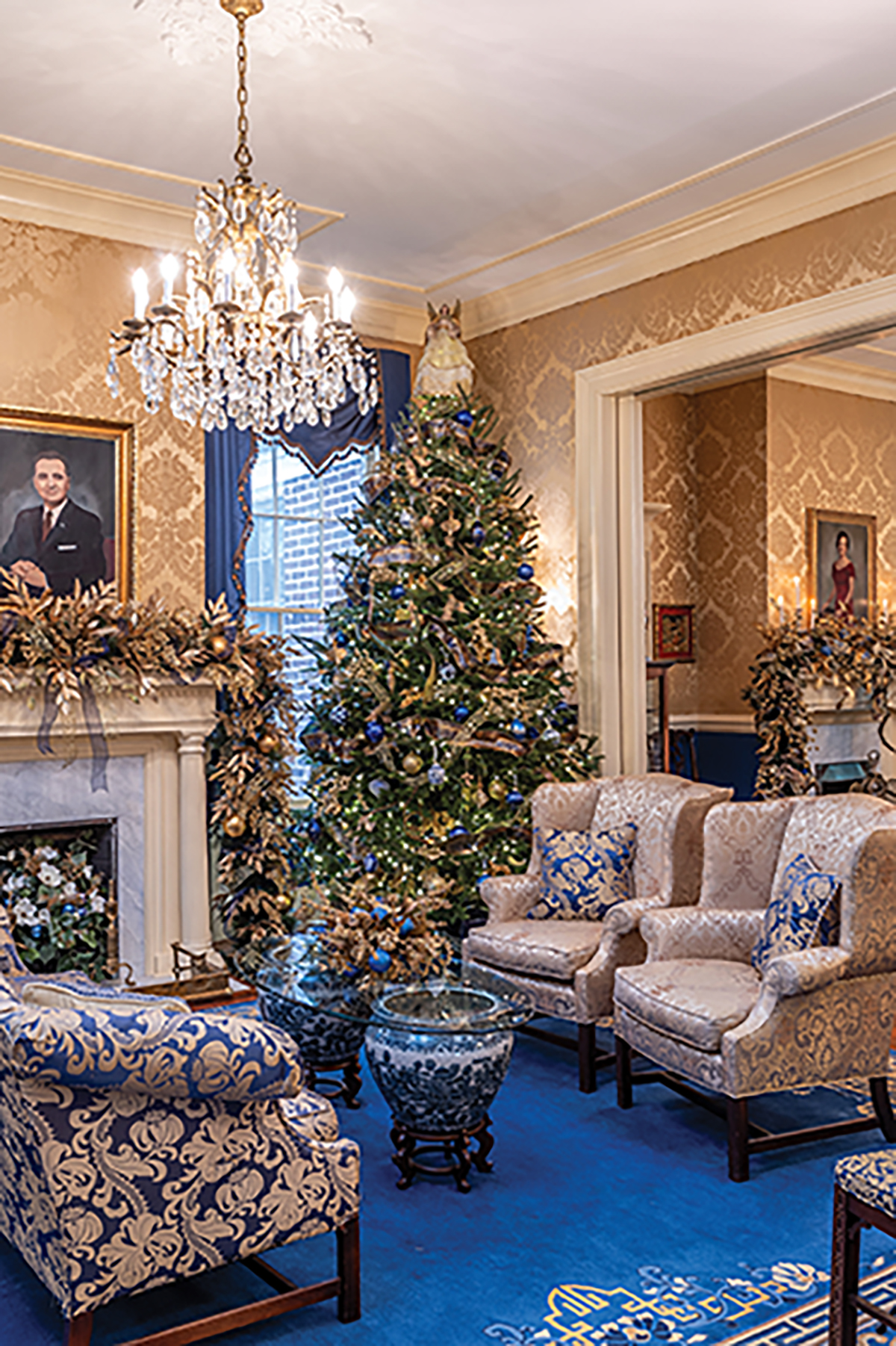
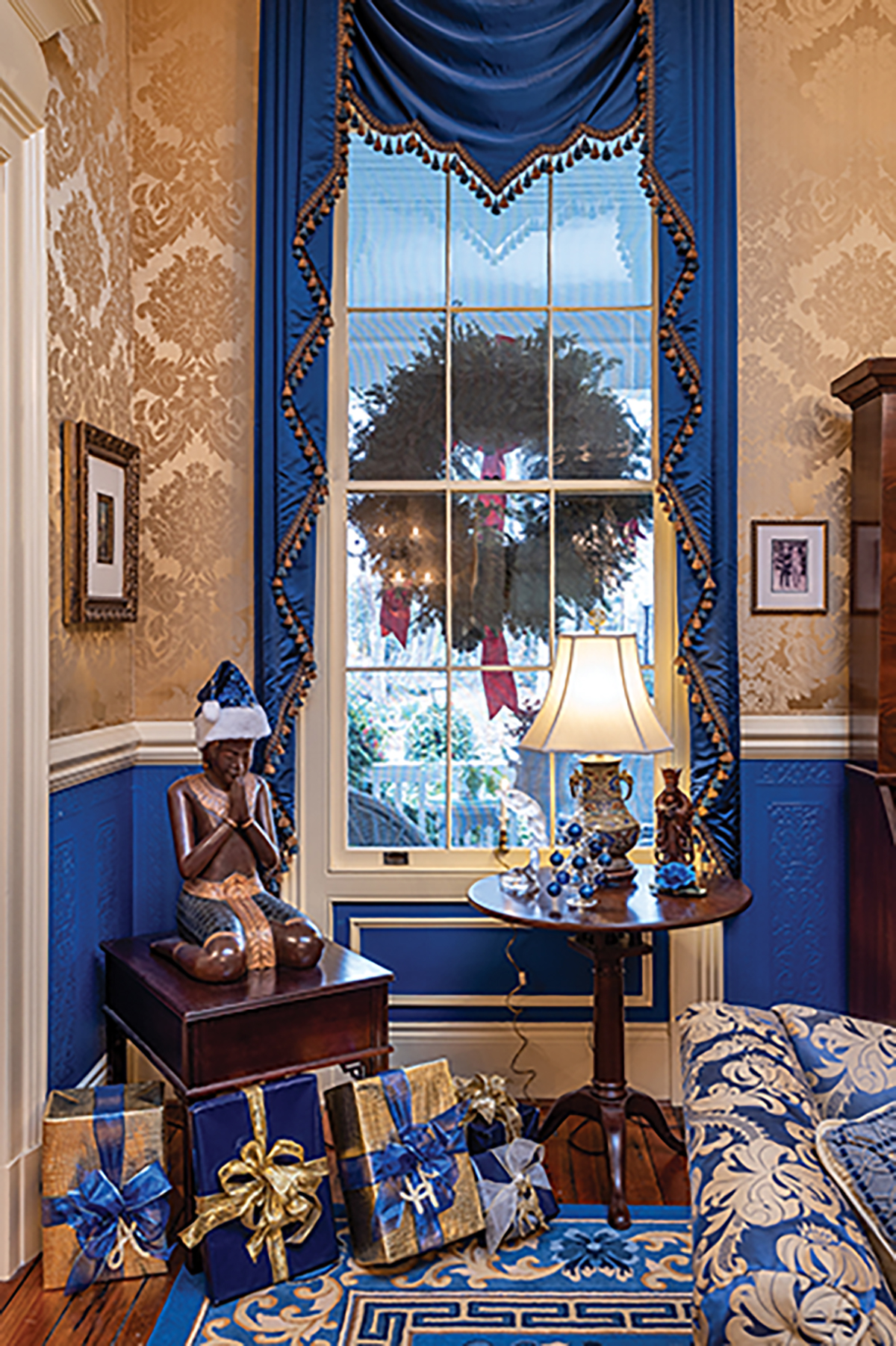
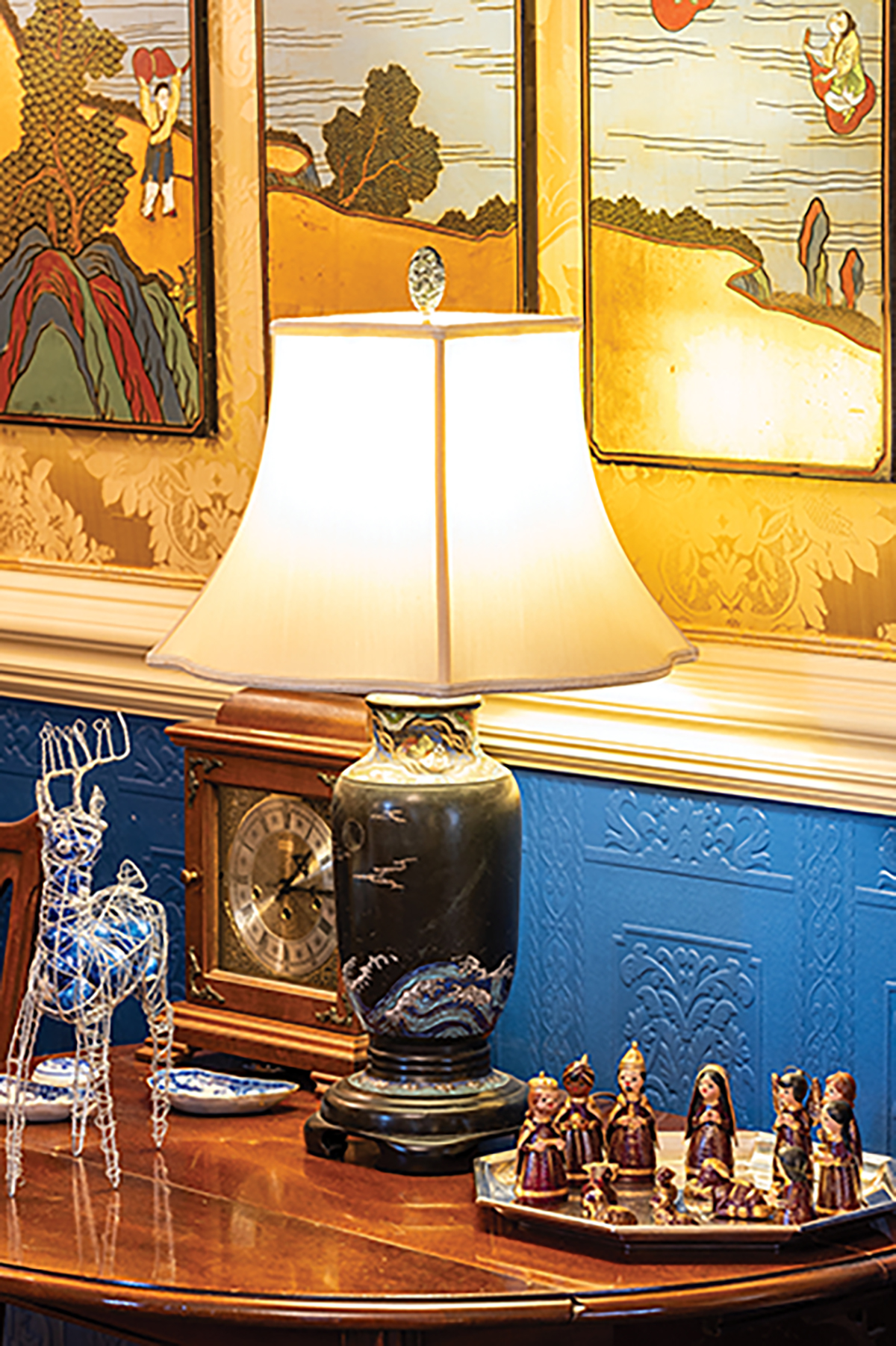
Still, the couple couldn’t let go of the idea of making the five-bedroom house their own, envisioning lovingly decorated spots to host Linnartz’s five grown children and colorful gardens in the vast backyard. So they made an offer for around $100,000 less than the owners’ asking price — and much to Robertson and Linnartz’s happy surprise, it was quickly accepted.
They didn’t move in right away, opting instead to rent the house out to a tenant while they worked to get the home they were living in ready for sale first. The hope was to use the proceeds to fund minor renovations on the E. Jones Street property, but a major setback derailed those plans.
In April 2012, a fire stemming from faulty electrical wiring destroyed much of the home and burned through its half-acre lot. Robertson and Linnartz were told by officials the remaining structure was a total loss. “It was heartbreaking,” says Robertson.
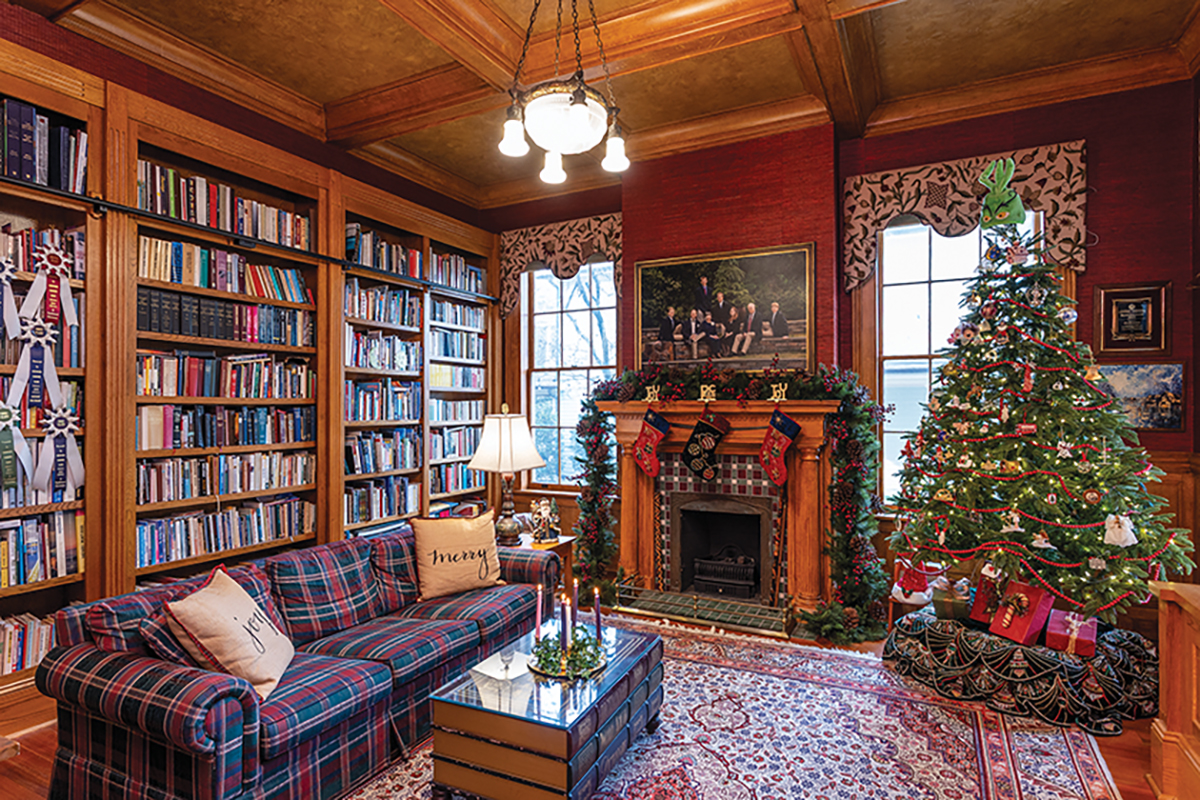
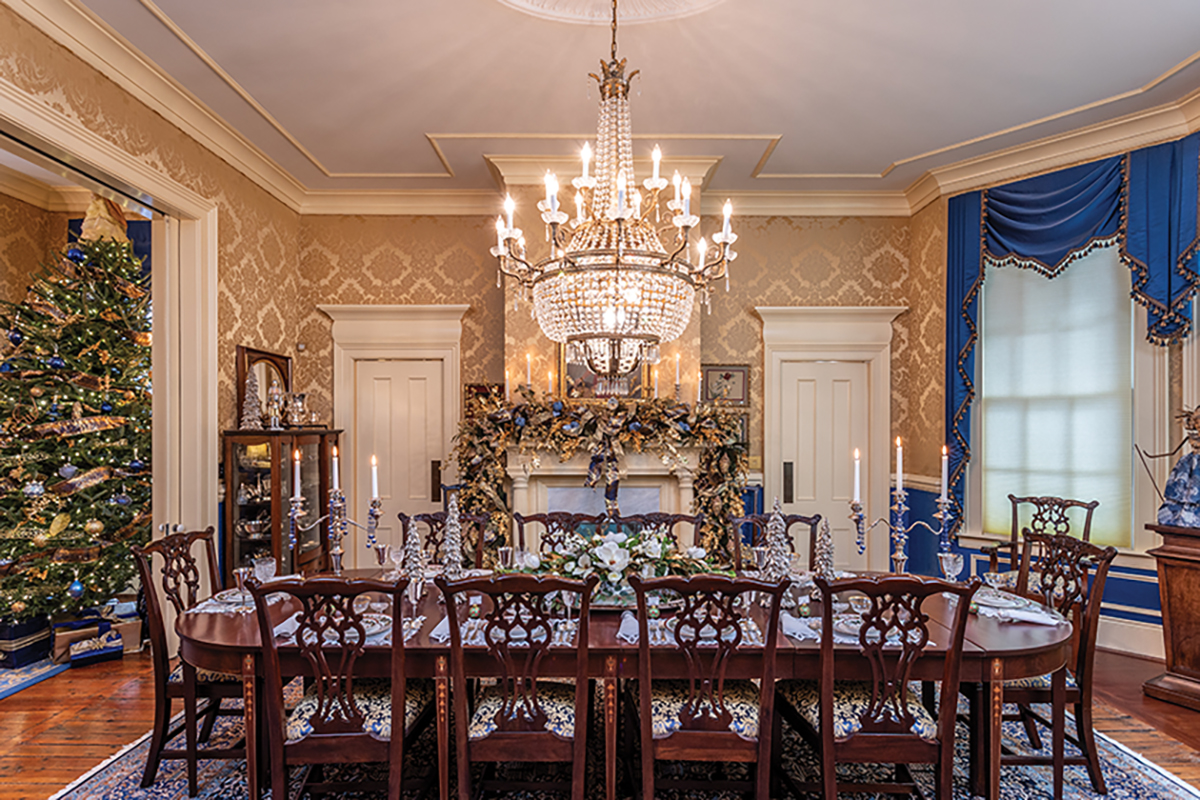
However, when the Society for the Preservation of Historic Oakwood (SPHO) learned of the plans, they urged the duo to try restoring the property, instead. First purchased for just $200 by William Thompson in the mid-19th century, the home’s past residents have included notable figures including William E. Anderson, president of what would later be known as Citizens National Bank; North Carolina Representative Addison Neal Smith; and renowned genealogist Helen Leary. Wanting to preserve this legacy, the SPHO offered Robertson and Linnartz a sizable loan to offset the costs of a full restoration, “and it was thanks to them that the house was saved,” Robertson says. Workers from Greg Paul Builders gutted the house but retained as much of the original structure as possible, including a staircase built in the mid-1800s and multiple pocket doors. In 2013, Robertson and Linnartz were finally able to move in, and in 2021 it was designated as a Raleigh Historic Landmark.
Nearly 14 years after the fire, the only remnants of the catastrophe are large photos documenting the renovation process that are displayed in one of its many rooms. Nearby they showcase a map of downtown Raleigh from the 1800s, one of numerous nods to the home’s unique place in the city’s history that Robertson and Linnartz proudly keep on view. In the living room, for instance, there’s a custom rug featuring the names of the house’s four earliest owners (from 1851 through 1982), commissioned by its current residents.
Like many other historic Oakwood homes, the stately brick building features a large front porch, an abundance of tall windows and a wide set of doors welcoming guests to a spacious entryway. Antiques, art and fresh florals fill nearly every space — from the parlor to the formal dining room — creating a welcoming air that balances out the property’s innate formality.
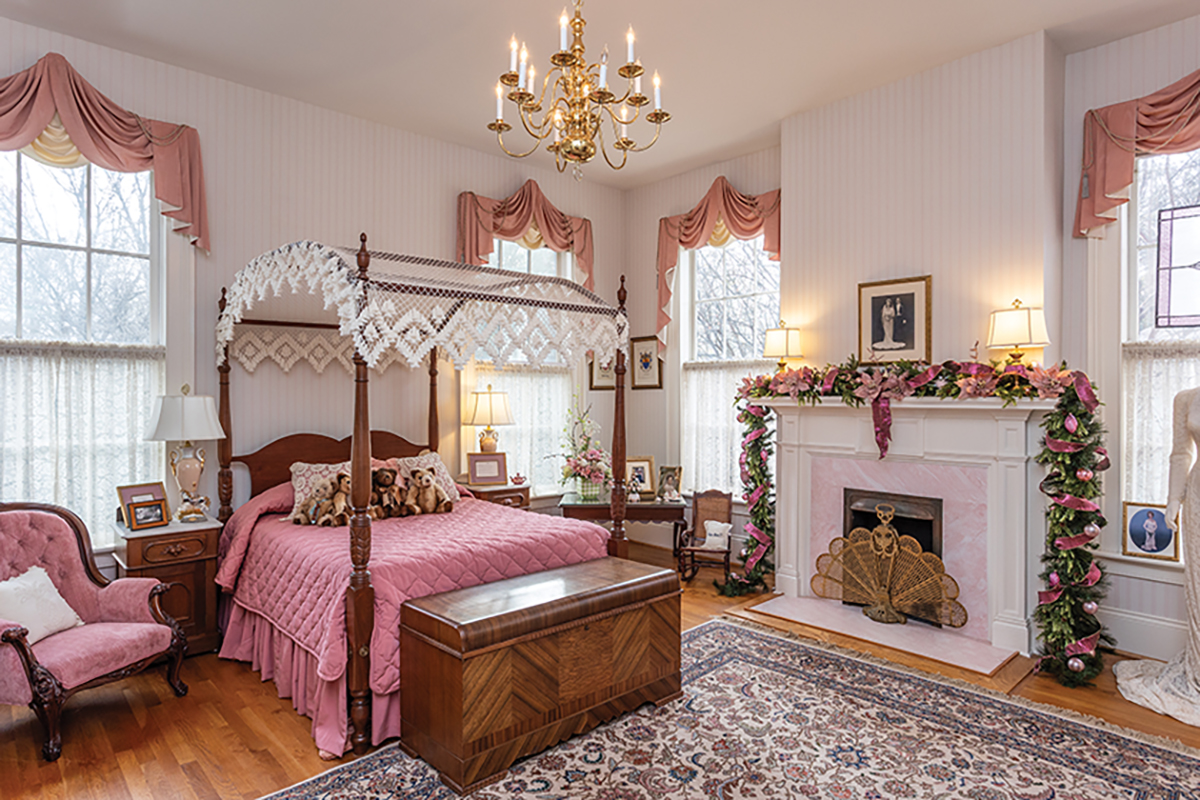
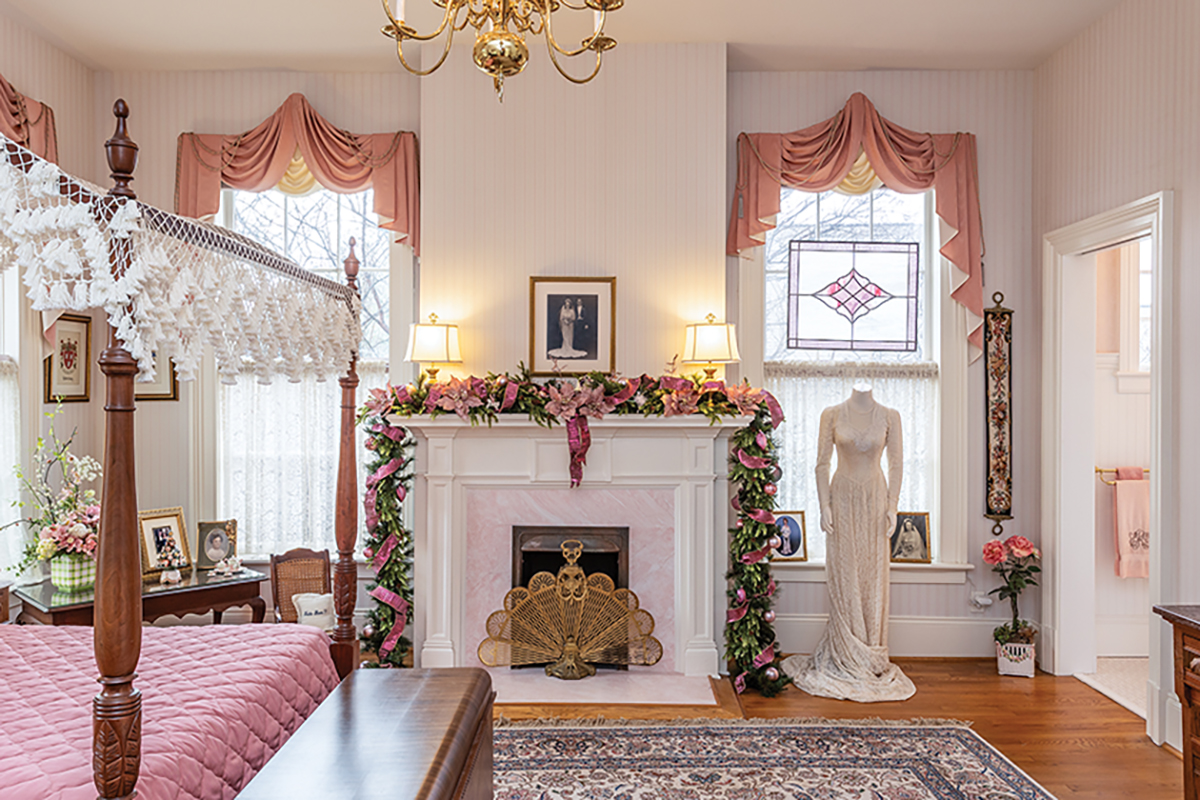
Much of the home is dedicated to highlighting Robertson and Linnartz’s own histories, both personal and professional. One bedroom displays Robertson’s mother’s wedding dress and obituaries for several late relatives; a hallway showcases photos of the couple with former President Joe Biden and former Vice President Kamala Harris. The homeowners are very active in both the local and national political scenes, regularly hosting fundraisers and community events. With its spacious kitchen, butler’s pantry and vivid decor, “it’s a great place for entertaining,” Robertson notes.
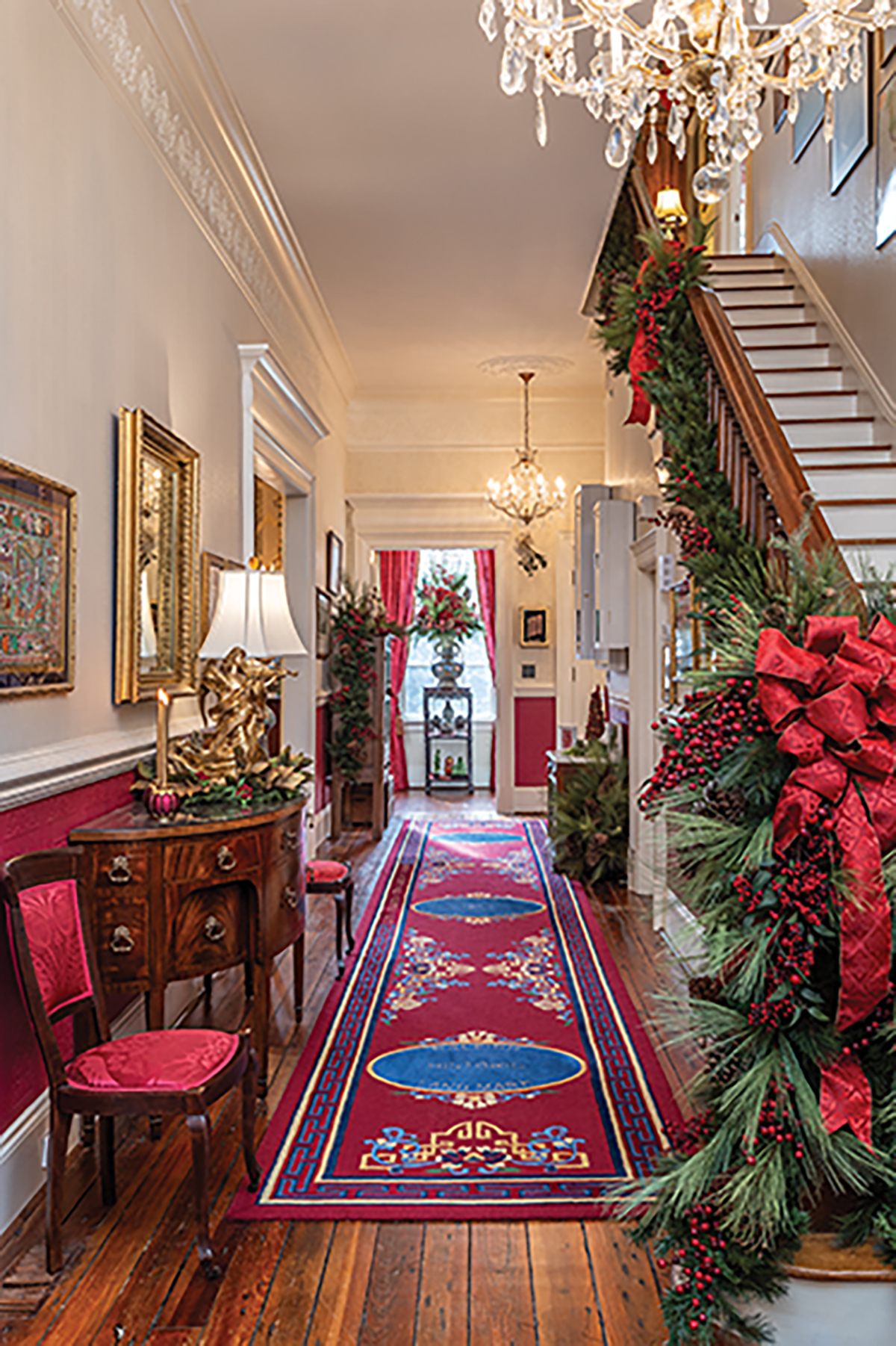
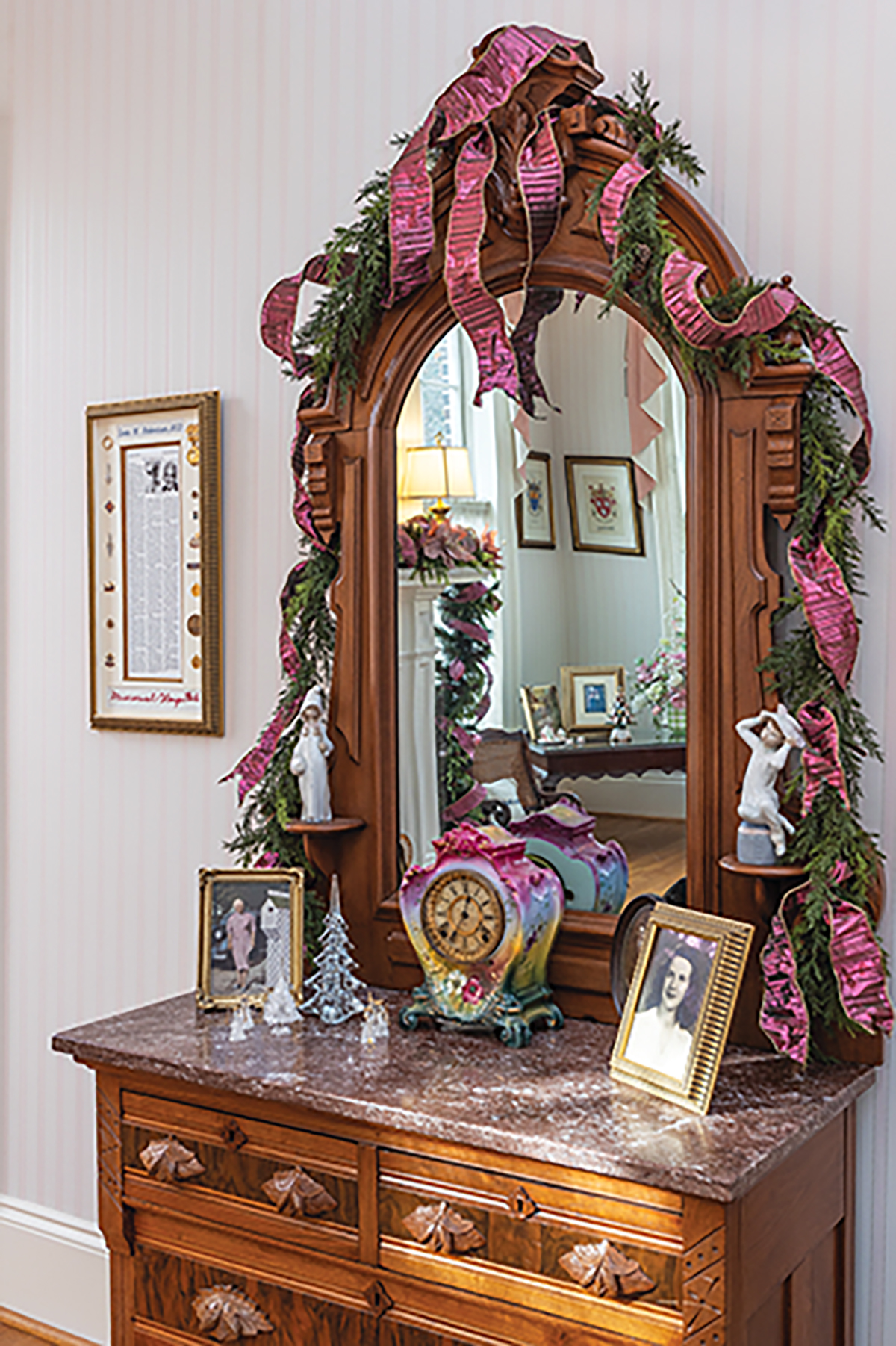
Speaking of that decor: every room of the home has a strikingly unique appearance, with many themed around the owners’ frequent international travels. The property’s biggest design influence is Mexico, thanks to Robertson, who worked for decades with the country’s consulate in North Carolina. But it’s far from the only nation represented. One bathroom pays heavy tribute to Morocco with colorful tile and stills from the movie Casablanca, while a living area features marionettes from Bali and a Christmas manger scene from Peru. In fact, over their 25 years of marriage, Robertson and Linnartz have collected seven distinct manger scenes from around the world, including one from Brazil and another from a Native American reservation. “Every single one has a different story,” says Robertson.
As the house celebrates its 175th year, both its residents and visitors — including all those participating in the Historic Oakwood Candlelight Tour this holiday season — will get to appreciate the history of each of those artworks, as well as that of the special home itself.

This article originally appeared in the December 2026 issue of WALTER magazine.