Spider lilies are unusual plants that deliver color through late summer
by Helen Yoest
Our gardening lives are enriched by some of nature’s strangest plants, and summer brings some of the best — especially because spiders are involved. If I just made your skin crawl, not to worry: the spiders I’m referring to are spider lilies, Lycoris spp.
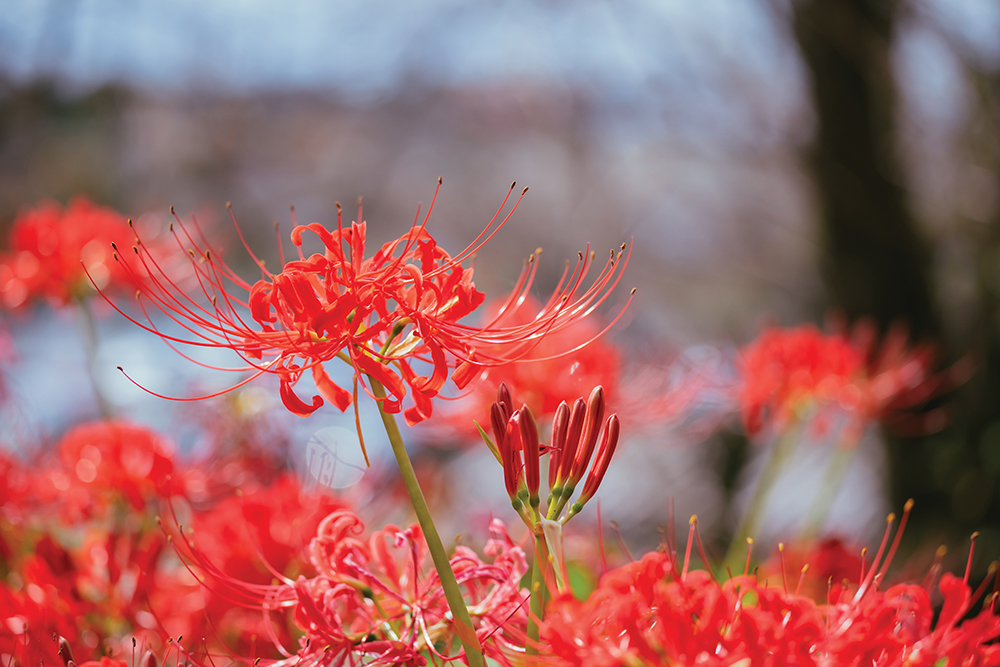
The common name is due to their long, narrow, backward curving petals. The stamens reach further out, giving the flowerheads a spidery appearance. Spider lilies go by other fun common names, such as hurricane and resurrection lilies, since they tend to bloom after a rain. My personal favorite is “necked ladies,” since the flower stem shoots up without foliage.
Spider lilies can offer continuous blooms from late summer into early fall. Here are three species that grow well:
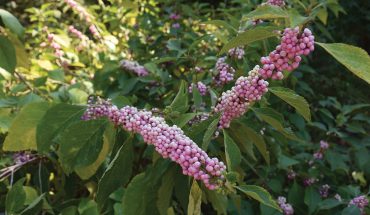
Pink spider lilies, also known as surprise lilies (Lycoris squamigera) bloom first in the series, from late July to mid-August. Blooming in shades of pale pink to rosy pink, often with a hint of lilac, they prefer rich, fertile soil with plenty of organic matter. Plant in part shade to full sun; bury the bulbs deep, with the tips barely peeking above the soil surface, and space them 6 inches apart.
Golden spider lilies (Lycoris aurea) bloom next, from mid-August through September. As the name suggests, they bloom from golden yellow to a rich yellow-orange. They prefer well-drained, organically rich soil and grow best in partial sun to part shade. Bury bulbs with about the top 1/4 inch of the bulb neck exposed above the surface.
Red spider lilies (Lycoris radiata) bloom in late August through mid-September, often after a rain, in a striking, rich red color. They have the same growing conditions as the golden spider lilies.
I grow lots of red spider lilies, and each year, I forget they are there before they pop up! This year, I hope to add surprise lilies, and last fall, I rescued a dozen or more golden spider lilies. I’ll have to see how they do, as spider lilies are temperamental when transplanted. Newly moved bulbs tend to suffer “transplant shock” and skip blooming for a year or two while they settle in.

This article was first published in the August 2026 issue of WALTER Magazine.