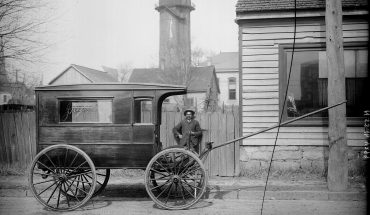
Coffins & Cabinets: Raleigh’s Oldest Business
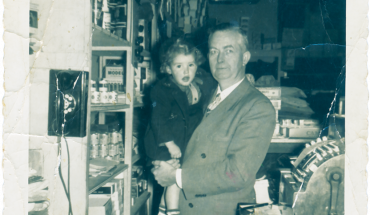
A photograph from the State Archives of North Carolina offers insight on a furniture making business that evolved into a funeral home.

A photograph from the State Archives of North Carolina offers insight on a furniture making business that evolved into a funeral home.

As the next phase of renovation begins at the NC Museum of History, community input and interaction are at the forefrontby Ayn-Monique Klahre If you’ve driven around downtown lately, you’ve probably noticed the fencing around the North Carolina History Museum…

The new head of the NC Division of State History Museums will spearhead a renovation of the flagship repository for our state’s artifacts
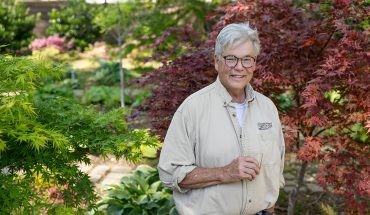
The New York Times bestselling author of golf autobiographies tells us about his latest book, The Road That Made America.

The state historical site on Old Oxford Highway in Durham County offers an immersive look into North Carolina’s complex past
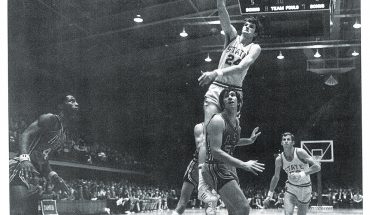
On the court and off, this North Carolina All-American ACC basketball MVP made a habit of supporting his community
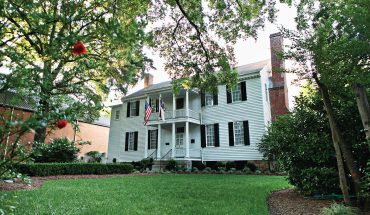
Eliza Haywood, the wife of Raleigh’s first mayor, added both ornamental plants and vegetable gardens to their home. You can see traces today.
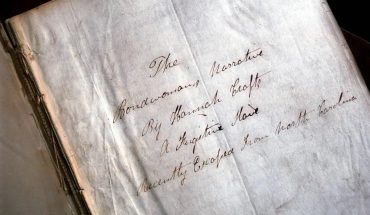
A new book by Gregg Hecimovich tells the story of the North Carolina native who wrote the first known novel by an African American woman.
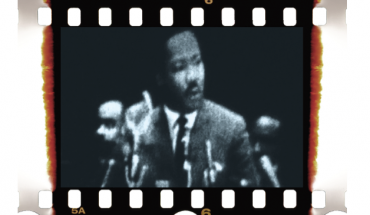
In the summer of 1966, Dr. Martin Luther King spoke at Reynolds Coliseum. Recently-discovered footage brings the event into focus.
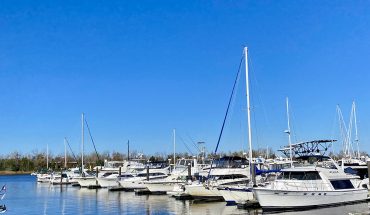
A weekend trip in the off-season reveals excellent cocktails, great food and plenty of cultural opportunities.
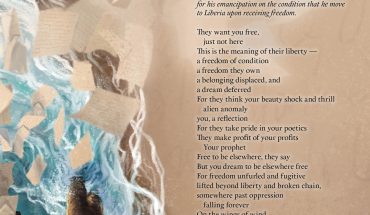
This poem is dedicated to George Moses Horton, an enslaved poet and the first Black American to publish a book in the South.

A look back at the origins and evolution of this annual celebration of agriculture and innovation, which was first held in Raleigh in 1853.
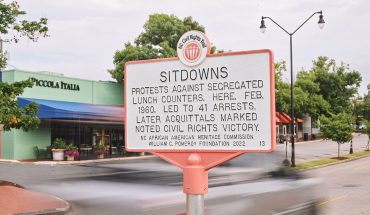
An ongoing program from the African American Heritage Commission highlights 50 significant moments and people in our state’s history.
The book Biography of a Phantom inspires a journalist to reflect on the ethics of researching musical history.