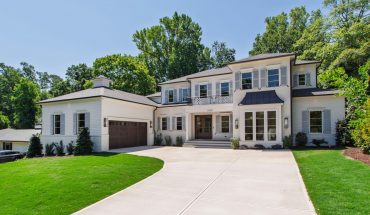
Raleigh’s Architectural Story: Then, Now & Next
Raleigh’s homes have always told the story of how we live — and how to live well

Raleigh’s homes have always told the story of how we live — and how to live well
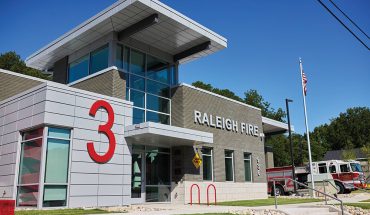
Fire Station 3 in Raleigh, NC has a unique tie to our first Black firefighters — and boasts all the latest in department technology
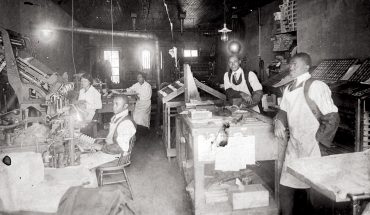
In the midst of the Jim Crow era, the Orgen Printing Company created a space to cover news that was relevant to Raleigh’s Black community
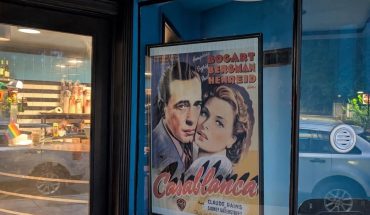
Raleigh is very different today than it was in the 1950s, but traces of its past remain — if you know where to look. Spend a day stepping back in time.
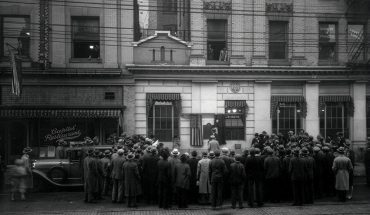
A family photo archive reveals the 1926 World Series “playograph” outside The News & Observer and the site of Raleigh’s first telephone call.
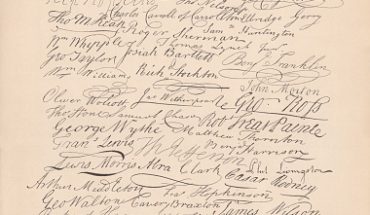
Many North Carolina locales are named after founding fathers, from Greensboro to Franklin County to the town of Washington
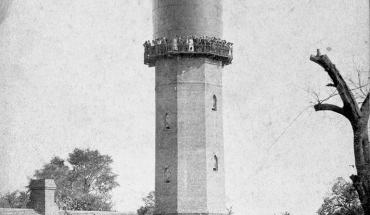
In 1887, the City of Oaks debuted its first municipal water tower, a stone-and-brick structure topped with a 100,000 gallon iron tank
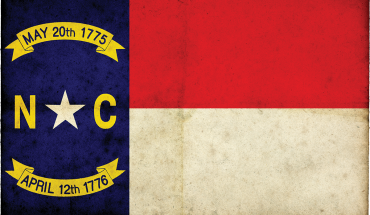
North Carolina was an important colony during the signing of the Declaration of Independence. Here’s how we’re sharing that history
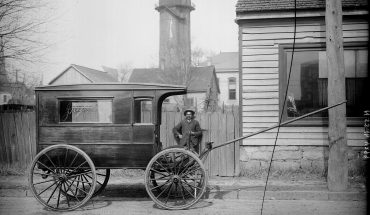
A photograph from the State Archives of North Carolina offers insight on a furniture making business that evolved into a funeral home.
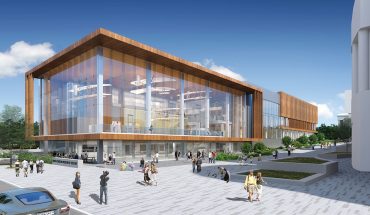
As the next phase of renovation begins at the NC Museum of History, community input and interaction are at the forefrontby Ayn-Monique Klahre If you’ve driven around downtown lately, you’ve probably noticed the fencing around the North Carolina History Museum…

The new head of the NC Division of State History Museums will spearhead a renovation of the flagship repository for our state’s artifacts
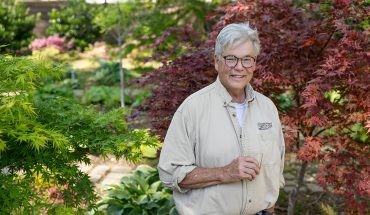
The New York Times bestselling author of golf autobiographies tells us about his latest book, The Road That Made America.

The state historical site on Old Oxford Highway in Durham County offers an immersive look into North Carolina’s complex past
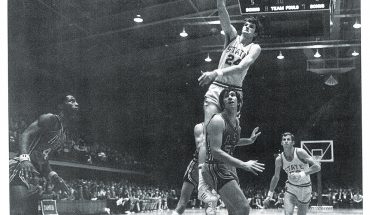
On the court and off, this North Carolina All-American ACC basketball MVP made a habit of supporting his community